ASUS ExpertBook B5402CEA-KI0314X RAM upgrade specifications
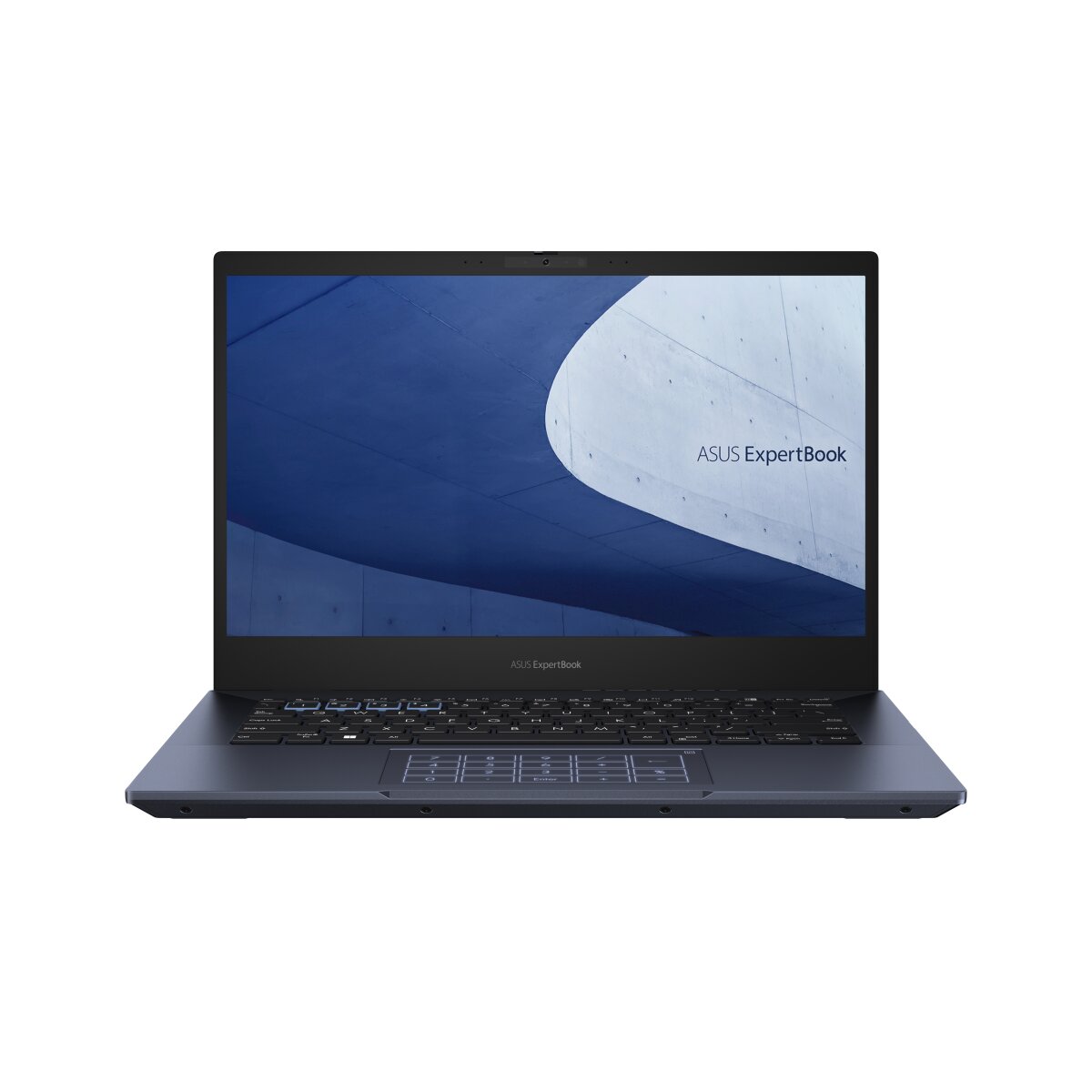
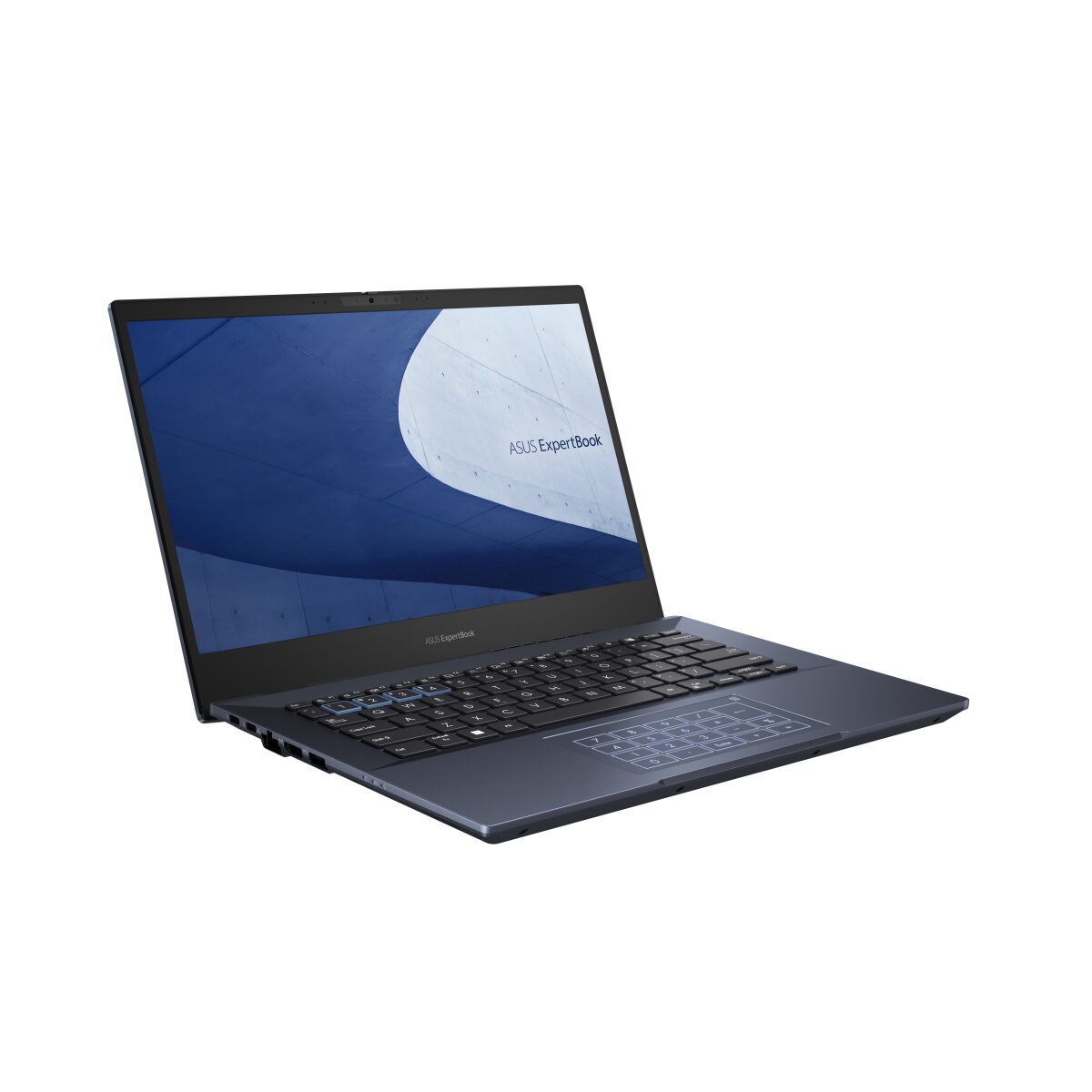
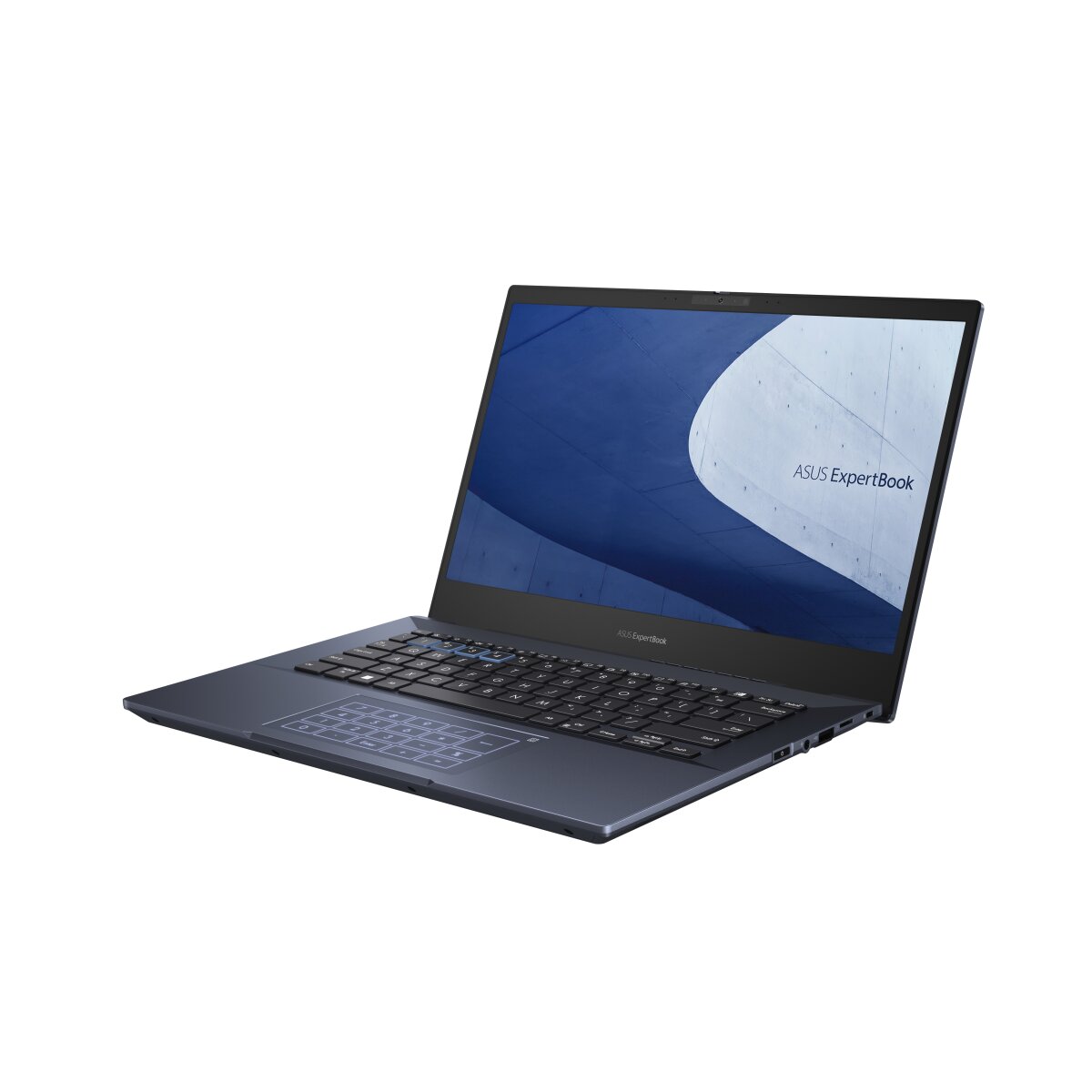
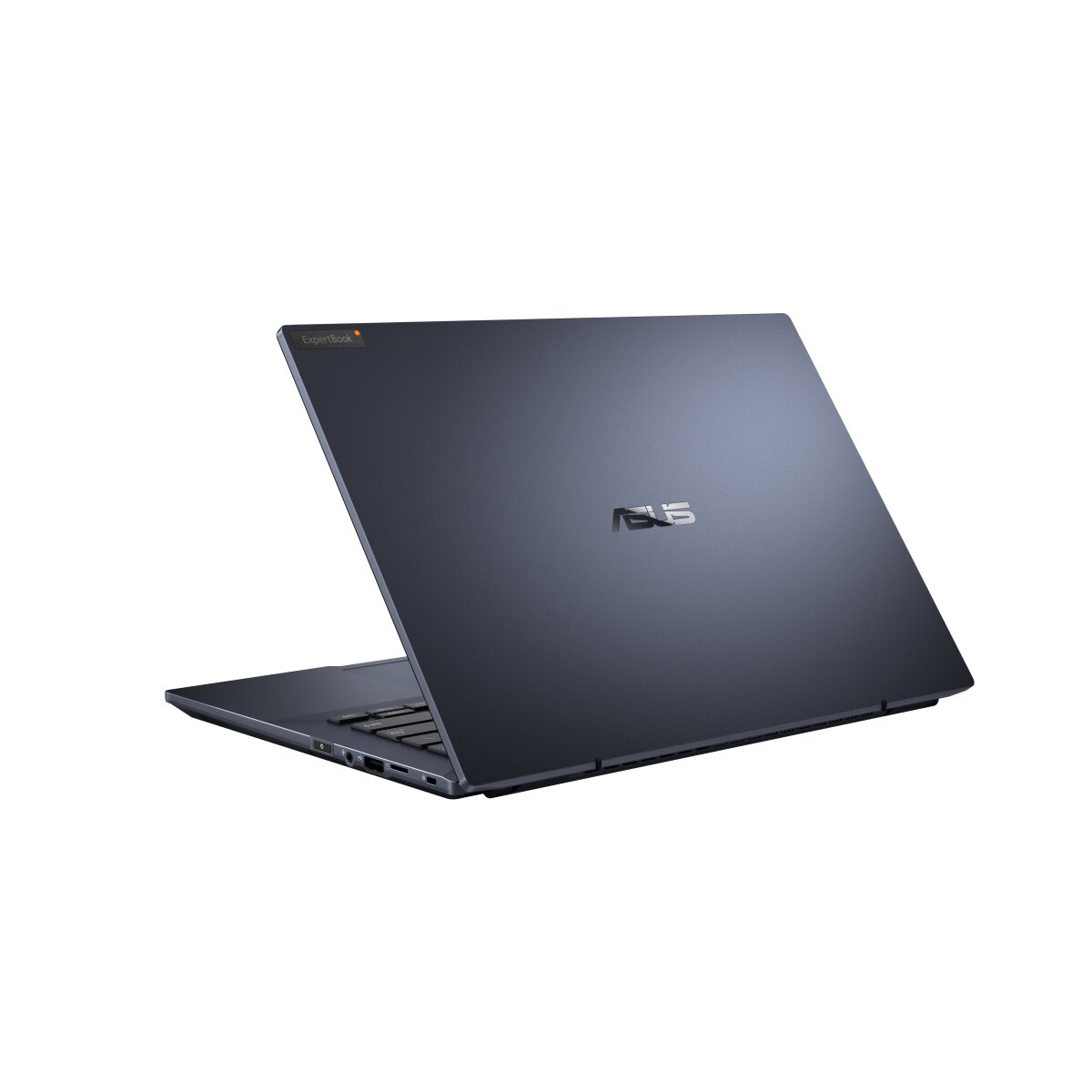
ASUS ExpertBook B5 series model B5402CEA-KI0314X specifications include DDR4-SDRAM memory upgrade capacity. The laptop contains one SO-DIMM slot available for RAM expansion. Maximum compatible memory capacity reaches 48 GB total. Memory upgrade operates at 3200 MHz frequency. Configuration utilizes on-board memory combined with SO-DIMM slot architecture. Specifications enable users to upgrade memory beyond factory configuration by installing compatible DDR4-SDRAM modules in the available slot.
Memory Upgrade Specifications
| Specification | Value |
|---|---|
| Memory slots | 1x SO-DIMM |
| Form factor | On-board + SO-DIMM |
| Memory type | DDR4-SDRAM |
| Frequency | 3200 MHz |
| Maximum RAM | 48 GB |
| Voltage | 1.2V |
| Number of pins | 260-pin |
| Interface | PC4 |
| PC Speed Rating | PC4-3200 (PC4-25600) |
| Bandwidth | 25.6 GB/s |
| Laptop Release date | 16 February 2022 |
Additional Notes
- The ASUS ExpertBook B5402CEA-KI0314X employs a hybrid memory architecture combining soldered RAM with a single expansion slot, limiting future upgrade flexibility compared to dual SO-DIMM configurations.
- The 48 GB maximum capacity indicates 16 GB soldered memory paired with a 32 GB SO-DIMM module, as this represents the only mathematically viable combination under single-slot hybrid constraints.
- Soldered memory components are non-removable and non-replaceable, meaning initial RAM failures or performance degradation require motherboard-level service outside standard user maintenance.
- DDR4-3200 operation requires CPU and chipset support for JEDEC standard speeds, with actual performance dependent on Intel 11th generation processor memory controller capabilities.
- Mixing memory modules from different manufacturers with the pre-installed soldered RAM may introduce latency mismatches despite matching frequency specifications, potentially affecting dual-channel bandwidth optimization.
- The single SO-DIMM slot prevents memory redundancy configurations, eliminating fallback options if the expansion module develops errors while the soldered component remains functional.
- 32 GB SO-DIMM modules operate as dual-rank configurations, which may impose slightly higher electrical loads on the memory controller compared to single-rank 16 GB modules.
- Physical access to the SO-DIMM slot typically requires bottom panel removal, with specific screw patterns and cable routing varying by chassis revision and potentially affecting service time.
- Warranty preservation requires non-destructive access methods, as damage to chassis clips, ribbon cables, or thermal interface materials during user installation may void manufacturer coverage terms.
- Asymmetric memory configurations (16 GB soldered plus 32 GB SO-DIMM) maintain dual-channel operation but create uneven channel population affecting memory interleaving algorithms.
- 3200 MHz modules must maintain CL22 or lower CAS latency to comply with JEDEC DDR4-3200 specifications, with tighter timings requiring XMP profile support absent in most business-class BIOS implementations.
- Operating voltage must remain at standard 1.2V for DDR4 JEDEC compliance, as the soldered component lacks voltage adjustment capability found in overclocking-oriented platforms.