ASUS ExpertBook B5402CVA-KI0260X RAM upgrade specifications
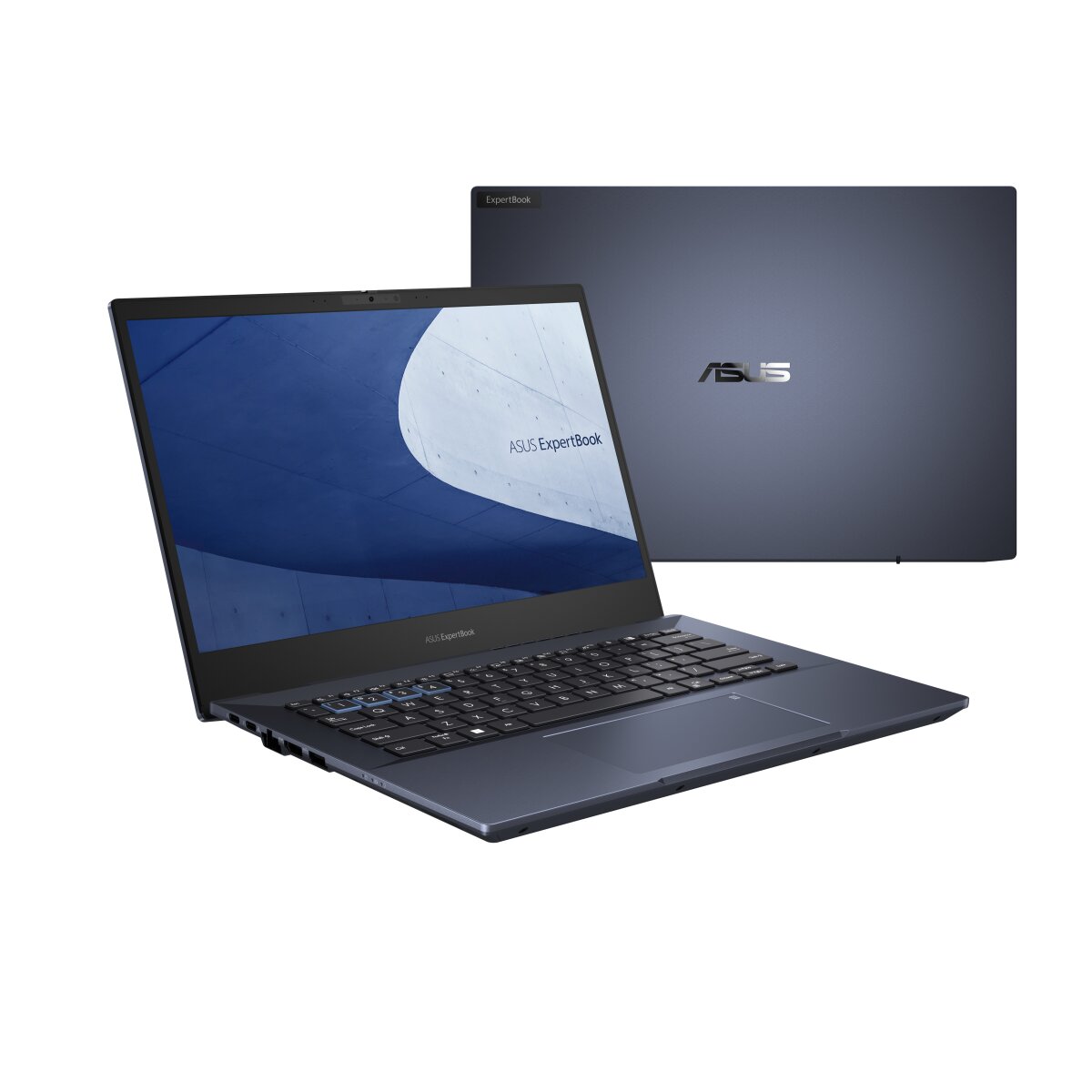

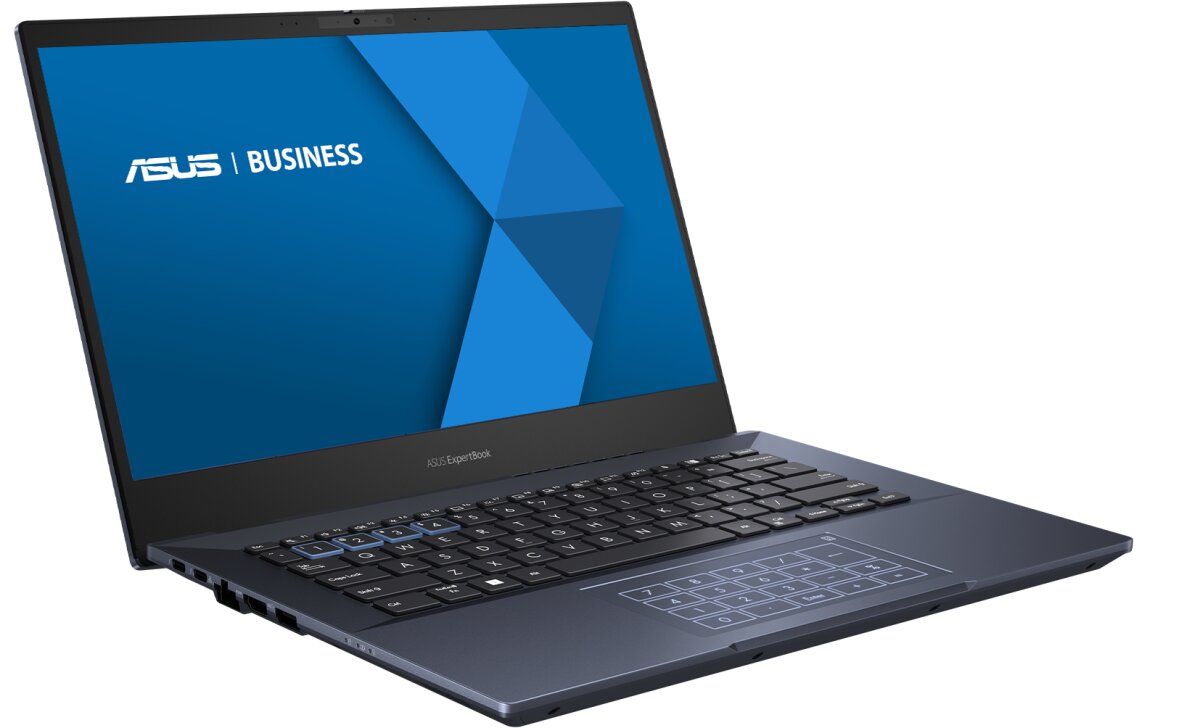
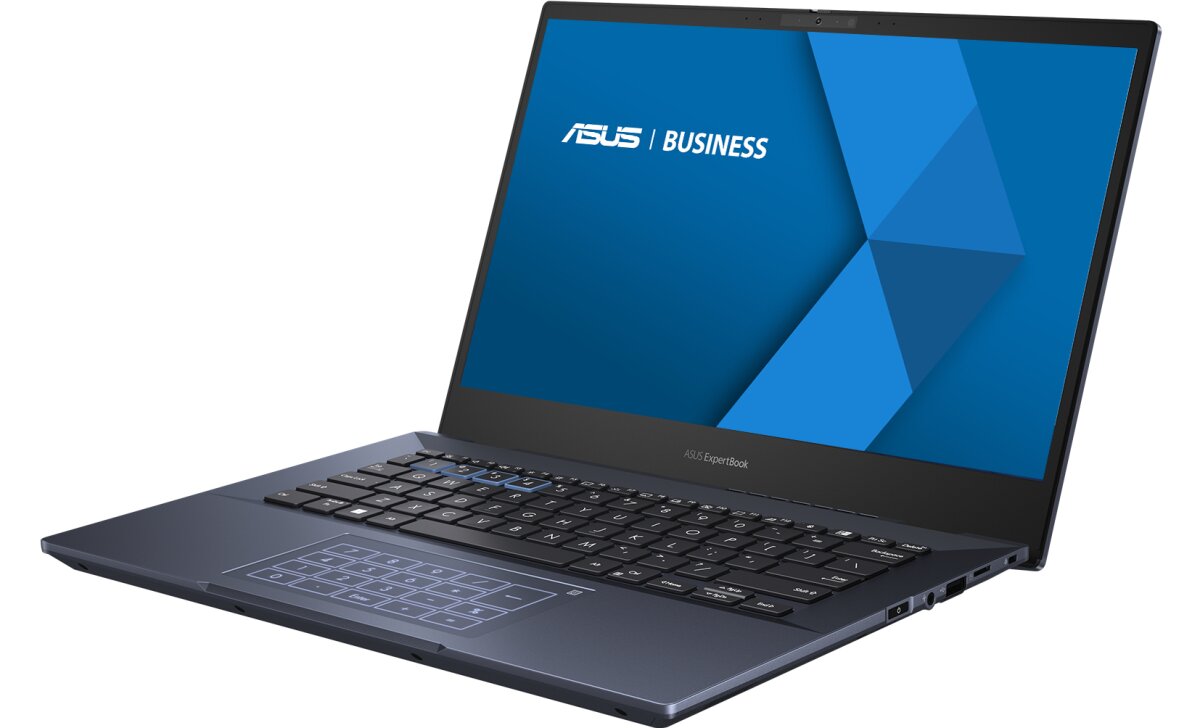
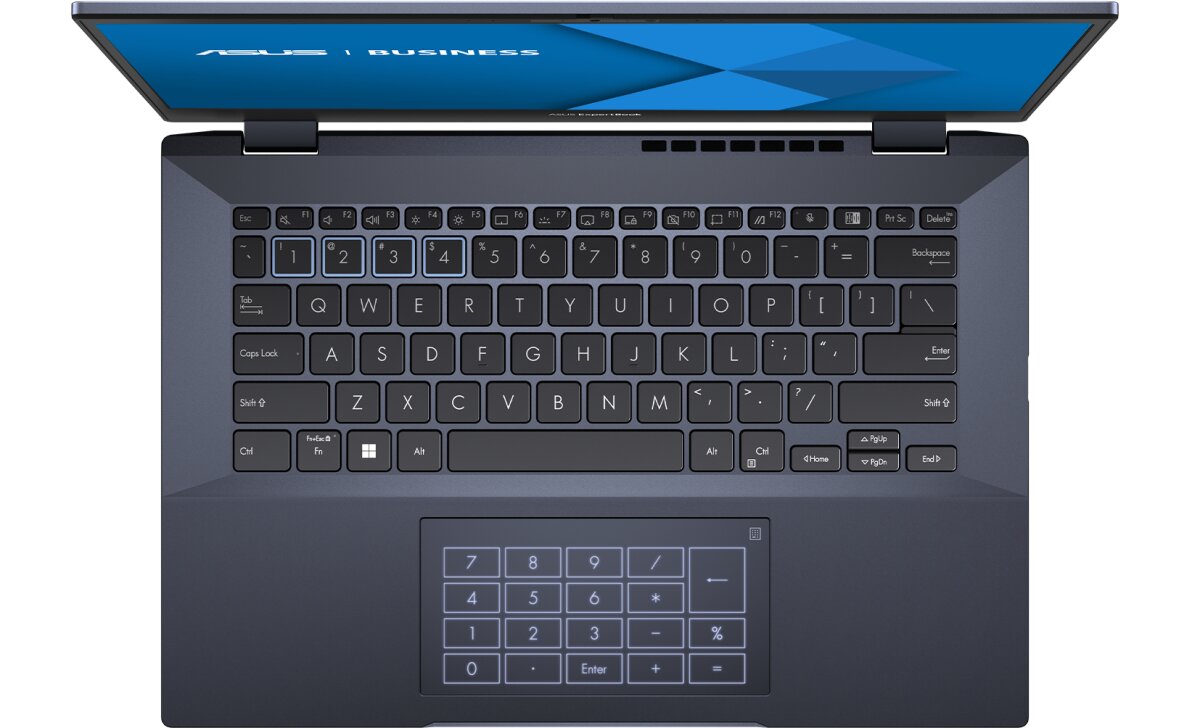
ASUS ExpertBook B5 series model B5402CVA-KI0260X supports DDR5-SDRAM memory upgrade specifications. The laptop contains one SO-DIMM slot for RAM expansion, with maximum compatible capacity of 40 GB. Memory operates at 4800 MHz frequency. The system features on-board memory combined with a single SO-DIMM upgrade slot, allowing users to expand total memory capacity beyond factory configuration. DDR5 specifications provide enhanced bandwidth and performance for professional computing applications.
Memory Upgrade Specifications
| Specification | Value |
|---|---|
| Memory slots | 1x SO-DIMM |
| Form factor | On-board + SO-DIMM |
| Memory type | DDR5-SDRAM |
| Frequency | 4800 MHz |
| Maximum RAM | 40 GB |
| Voltage | 1.1V |
| Number of pins | 262-pin |
| Interface | PC5 |
| PC Speed Rating | PC5-4800 (PC5-38400) |
| Bandwidth | 38.4 GB/s |
Additional Notes
- The ASUS ExpertBook B5402CVA-KI0260X features soldered RAM in addition to the SO-DIMM slot, creating a dual-channel configuration only when the installed module matches the capacity and speed of the onboard memory.
- The 40 GB maximum capacity indicates 8 GB soldered RAM paired with a 32 GB SO-DIMM module, as this specific total can only be achieved through that combination in systems with onboard memory.
- Mismatched module capacities between soldered and SO-DIMM will force the system into single-channel mode for any memory exceeding the smaller capacity, reducing bandwidth by approximately 50% for that portion.
- DDR5-4800 represents the JEDEC baseline speed for this generation, meaning any higher-speed modules will automatically downclock to 4800 MHz regardless of their rated specifications.
- SO-DIMM modules designed for DDR5 require 1.1V operation and are incompatible with DDR4 slots despite similar physical dimensions, making voltage a critical verification point before purchase.
- Single-slot designs prevent future upgrades beyond replacing the existing SO-DIMM, as the soldered memory cannot be modified without motherboard-level service that voids warranties.
- ECC SO-DIMM modules may physically install but will not function in this consumer-grade platform, as non-server chipsets lack error-correction circuitry.
- The onboard memory shares thermal characteristics with the motherboard, while SO-DIMM modules rely on chassis airflow, creating different temperature profiles that can affect stability under sustained workloads.
- JEDEC-compliant DDR5 modules initialize at lower speeds during POST before training to 4800 MHz, which may extend boot times compared to DDR4 systems with equivalent capacities.
- Warranty preservation requires using SO-DIMM modules that meet industry-standard specifications, as proprietary or overclocking-focused RAM can trigger support exclusions even when physically compatible.