ASUS ProArt StudioBook H5600QM-L2044R RAM upgrade specifications

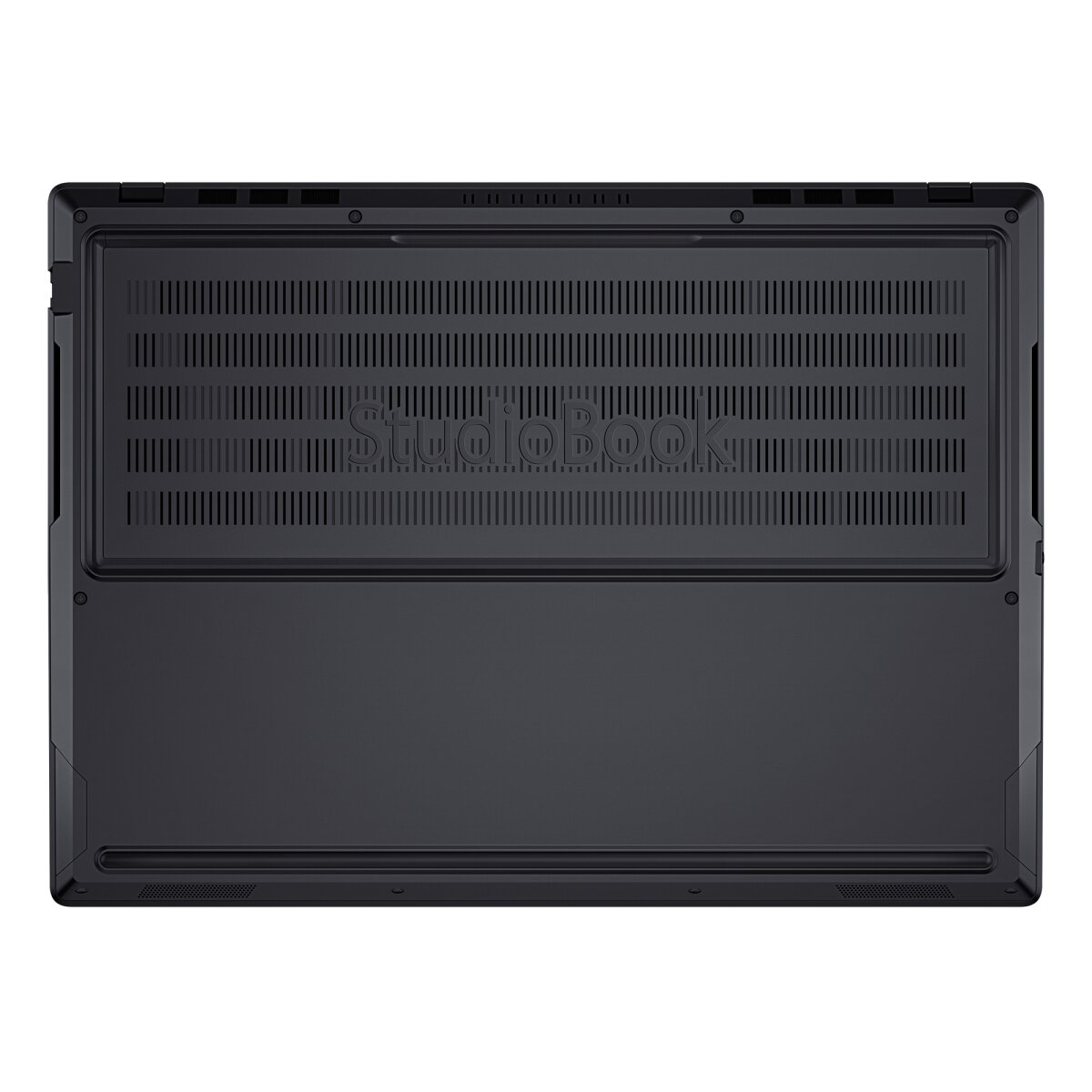
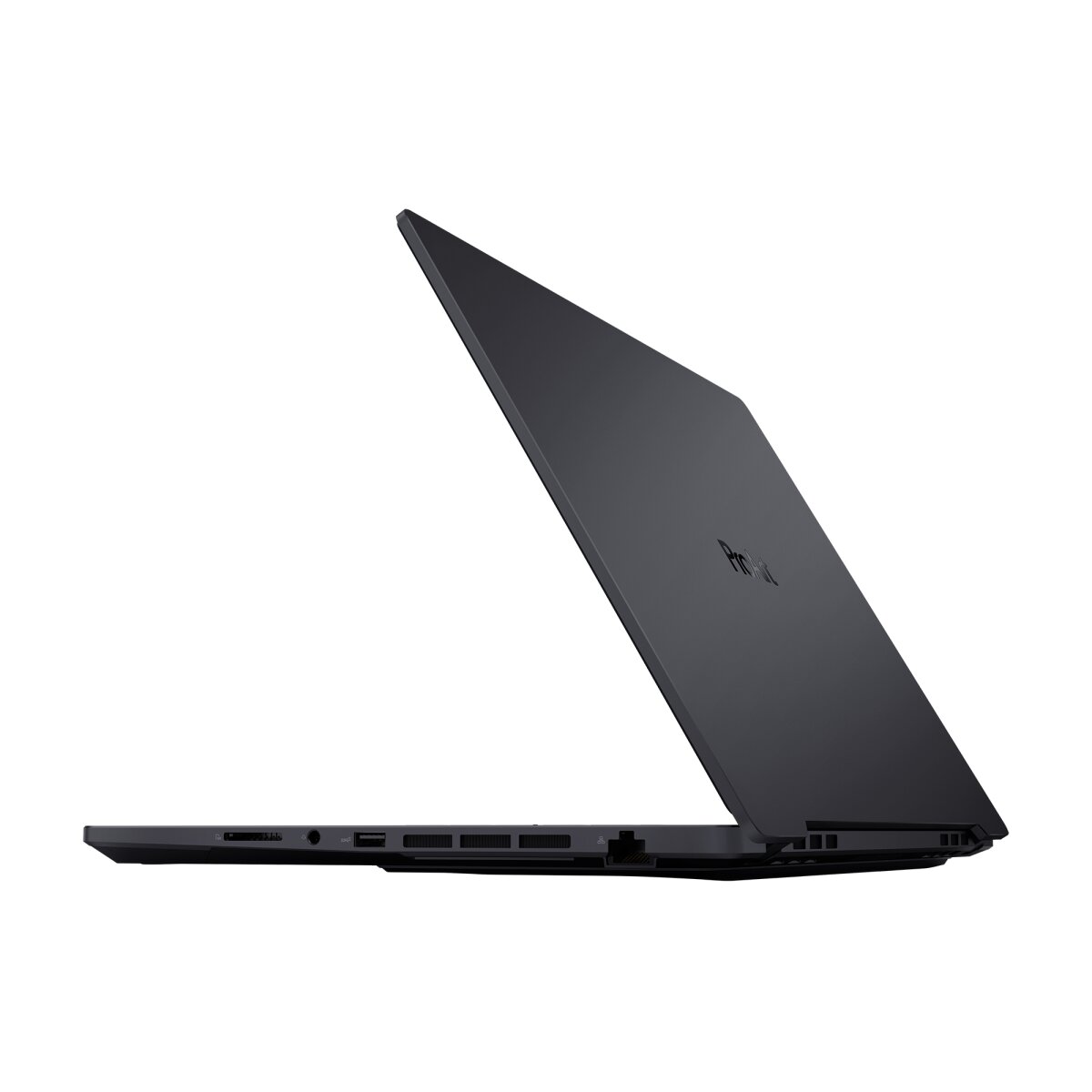
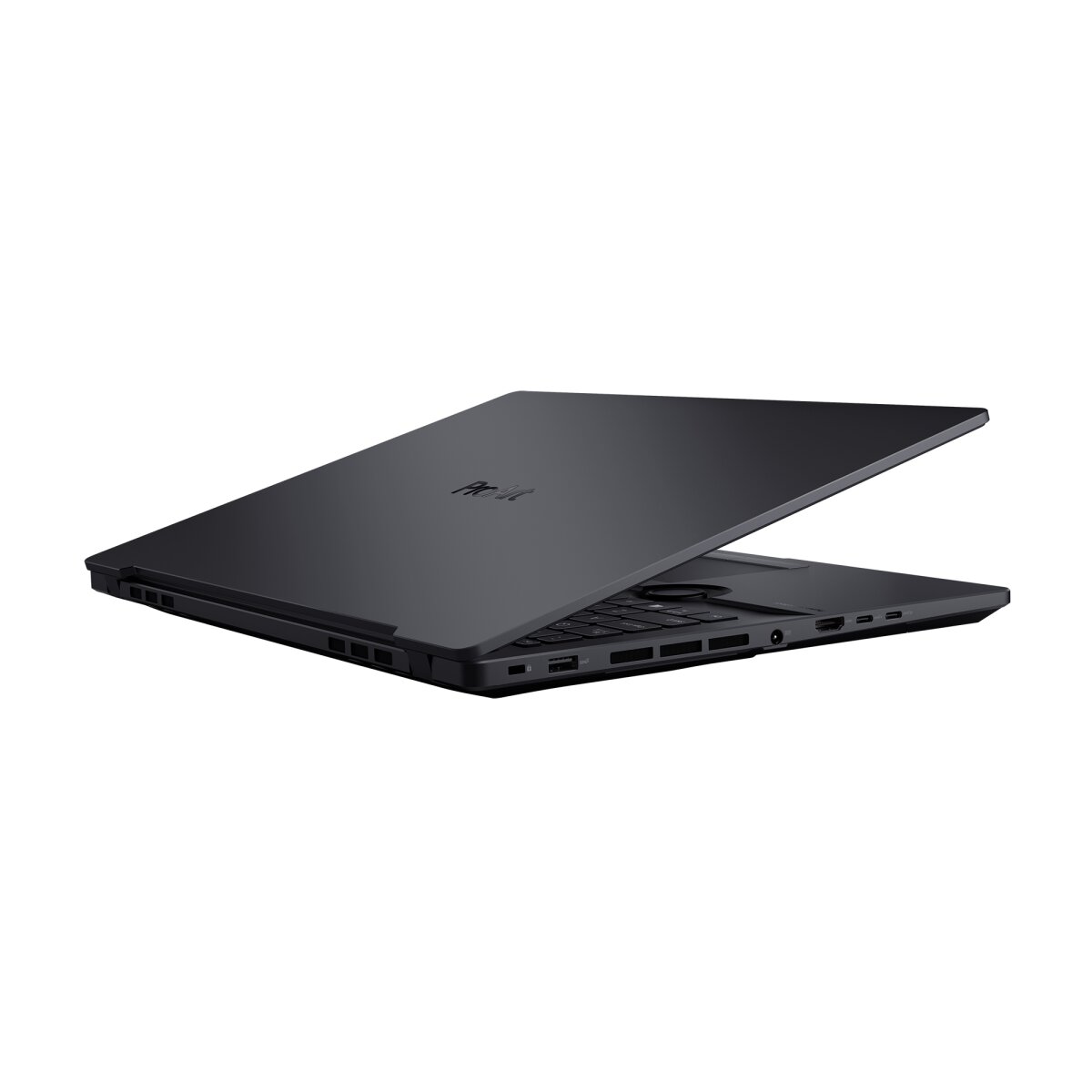
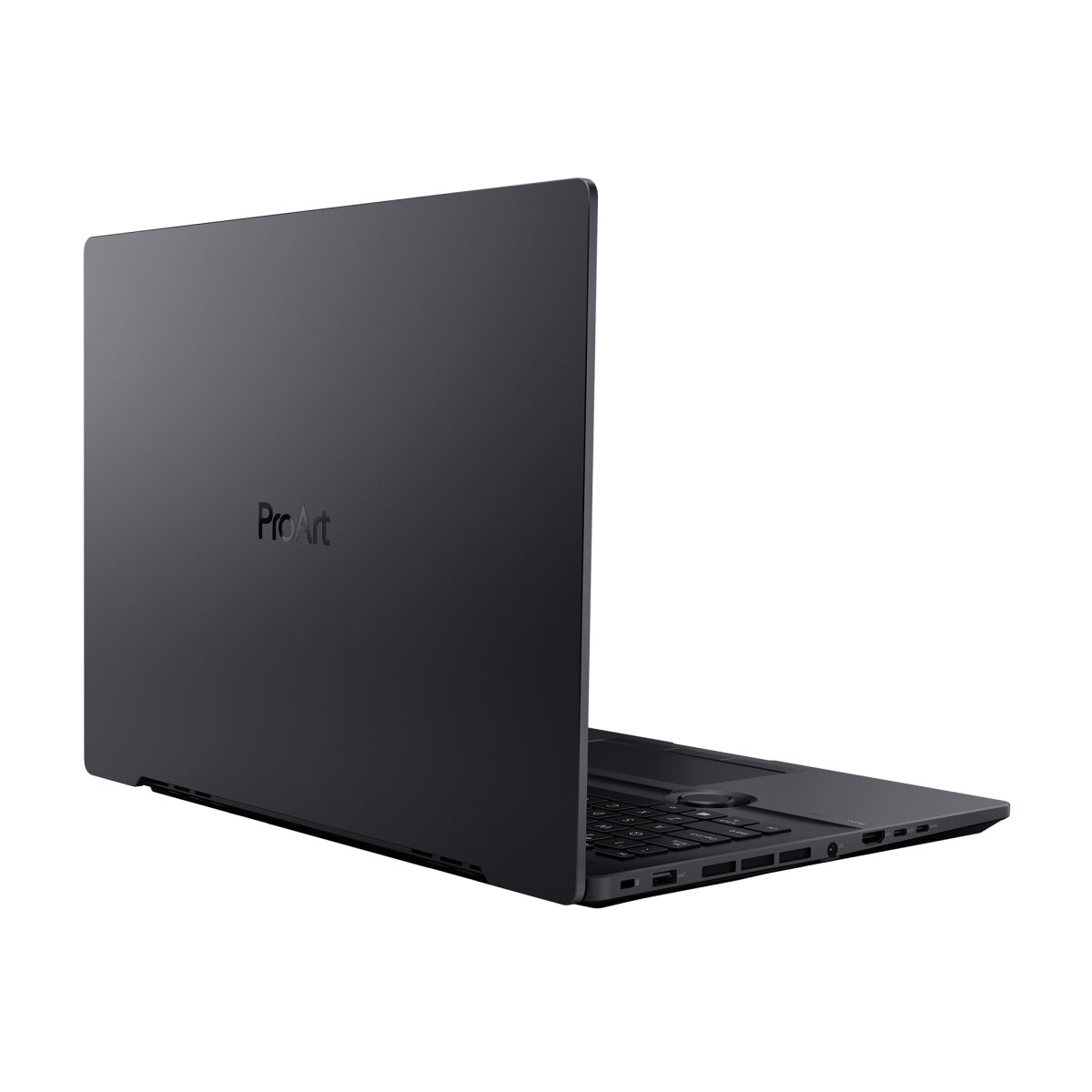
ASUS ProArt StudioBook 16 H5600QM-L2044R laptop features DDR4-SDRAM memory upgrade specifications with two SO-DIMM slots supporting maximum capacity of 64 GB RAM. Compatible memory operates at 3200 MHz frequency. The workstation-class mobile system accommodates SO-DIMM form factor modules for memory expansion. Upgrade capacity reaches 64 GB total through dual slot configuration, providing substantial memory resources for professional applications and multitasking performance.
Memory Upgrade Specifications
| Specification | Value |
|---|---|
| Memory slots | 2x SO-DIMM |
| Form factor | SO-DIMM |
| Memory type | DDR4-SDRAM |
| Frequency | 3200 MHz |
| Maximum RAM | 64 GB |
| Voltage | 1.2V |
| Number of pins | 260-pin |
| Interface | PC4 |
| PC Speed Rating | PC4-3200 (PC4-25600) |
| Bandwidth | 25.6 GB/s |
| Laptop Release date | 13 August 2021 |
Additional Notes
- The 64 GB ceiling indicates dual-channel operation with 32 GB modules, requiring careful verification of module density support in the chipset specifications before purchase.
- DDR4-3200 represents the JEDEC standard speed, though actual performance depends on whether the BIOS supports XMP profiles or restricts modules to lower speeds under certain thermal conditions.
- SO-DIMM installation in this ASUS ProArt StudioBook H5600QM-L2044R typically requires complete bottom panel removal, potentially voiding seals that manufacturers use to track warranty claims.
- The 3200 MHz frequency may downclock automatically if mixing modules with different timings or if the processor's integrated memory controller encounters stability issues at rated speeds.
- Dual-channel configuration requires matched pairs in both slots for optimal bandwidth, as asymmetric configurations force the controller into single-channel mode or flex mode with reduced performance.
- Upgrading beyond 32 GB total necessitates removing existing modules entirely, as adding to pre-installed RAM often creates compatibility conflicts with different IC manufacturers or density configurations.
- The SO-DIMM form factor's 260-pin specification differs physically from desktop DIMM modules, making standard DDR4 desktop memory incompatible despite identical electrical specifications.
- Memory latency at 3200 MHz depends on CAS latency values, where CL22 modules introduce higher latency than CL16 variants despite identical transfer rates.
- Systems running heavy creative workloads may benefit more from 32 GB of lower-latency modules than 64 GB of higher-latency alternatives due to bandwidth-sensitive operations in rendering engines.
- Temperature constraints in slim chassis designs can throttle memory performance, making modules with lower voltage requirements preferable for sustained operation under load.