ASUS ProArt StudioBook HM5600QM-KV003R RAM upgrade specifications

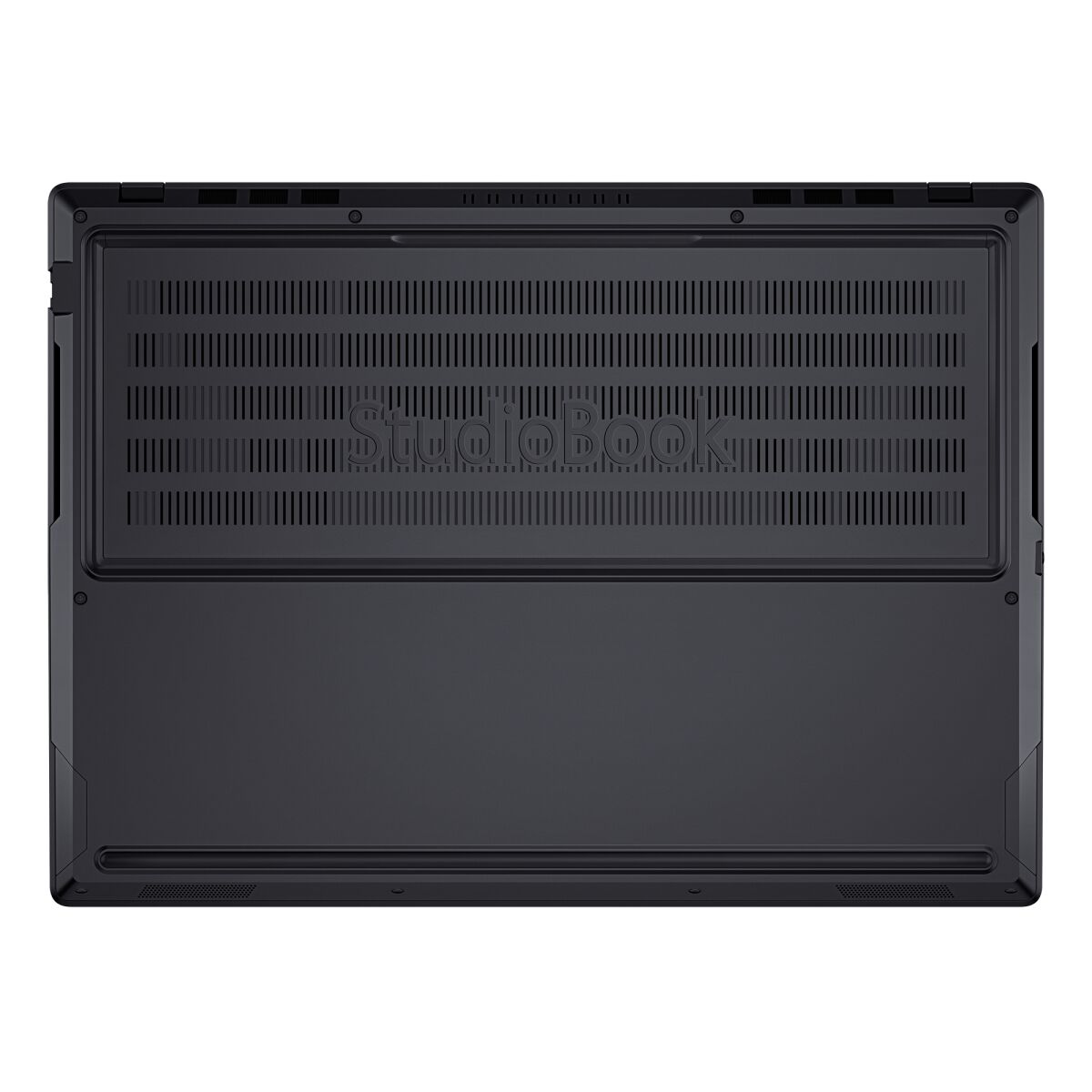
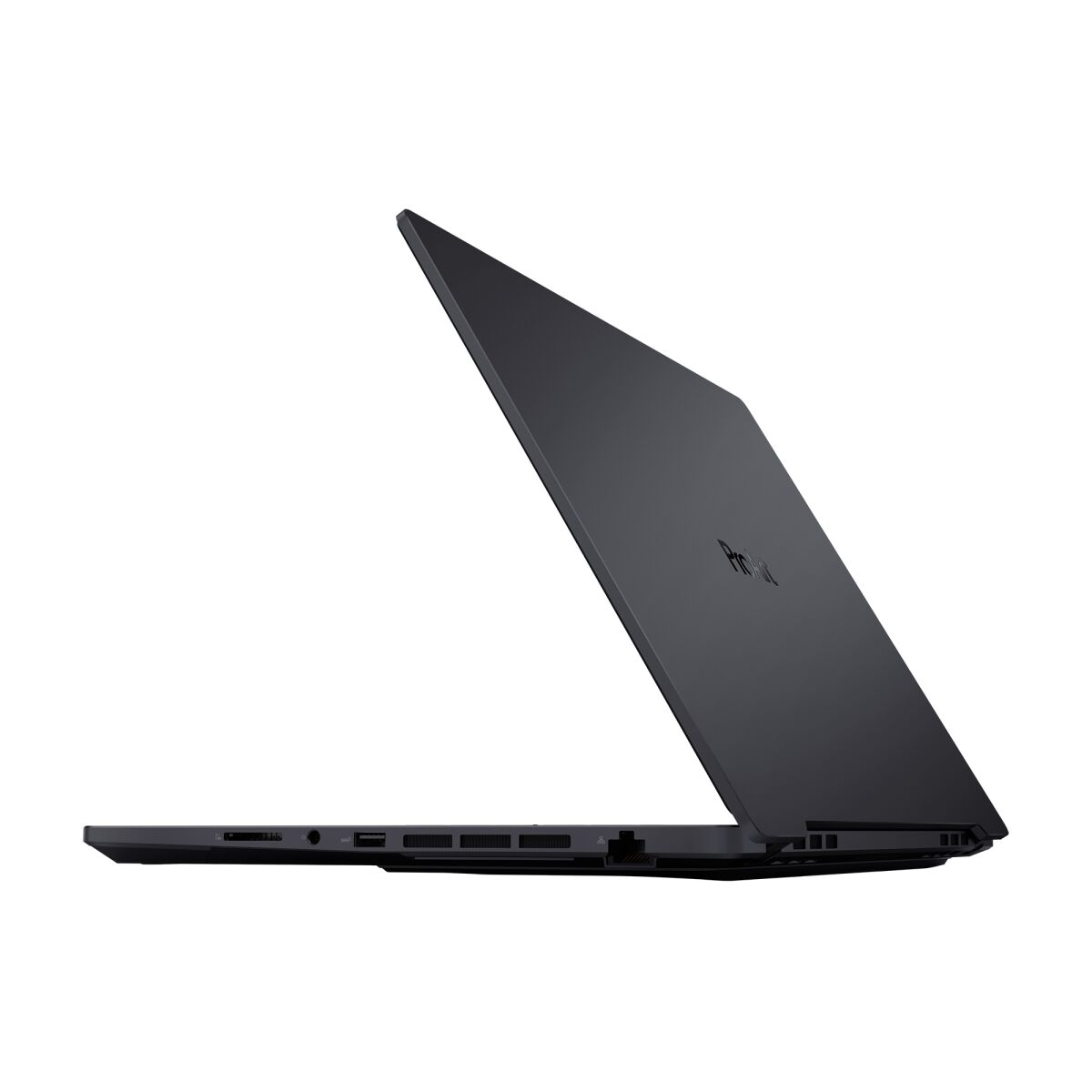
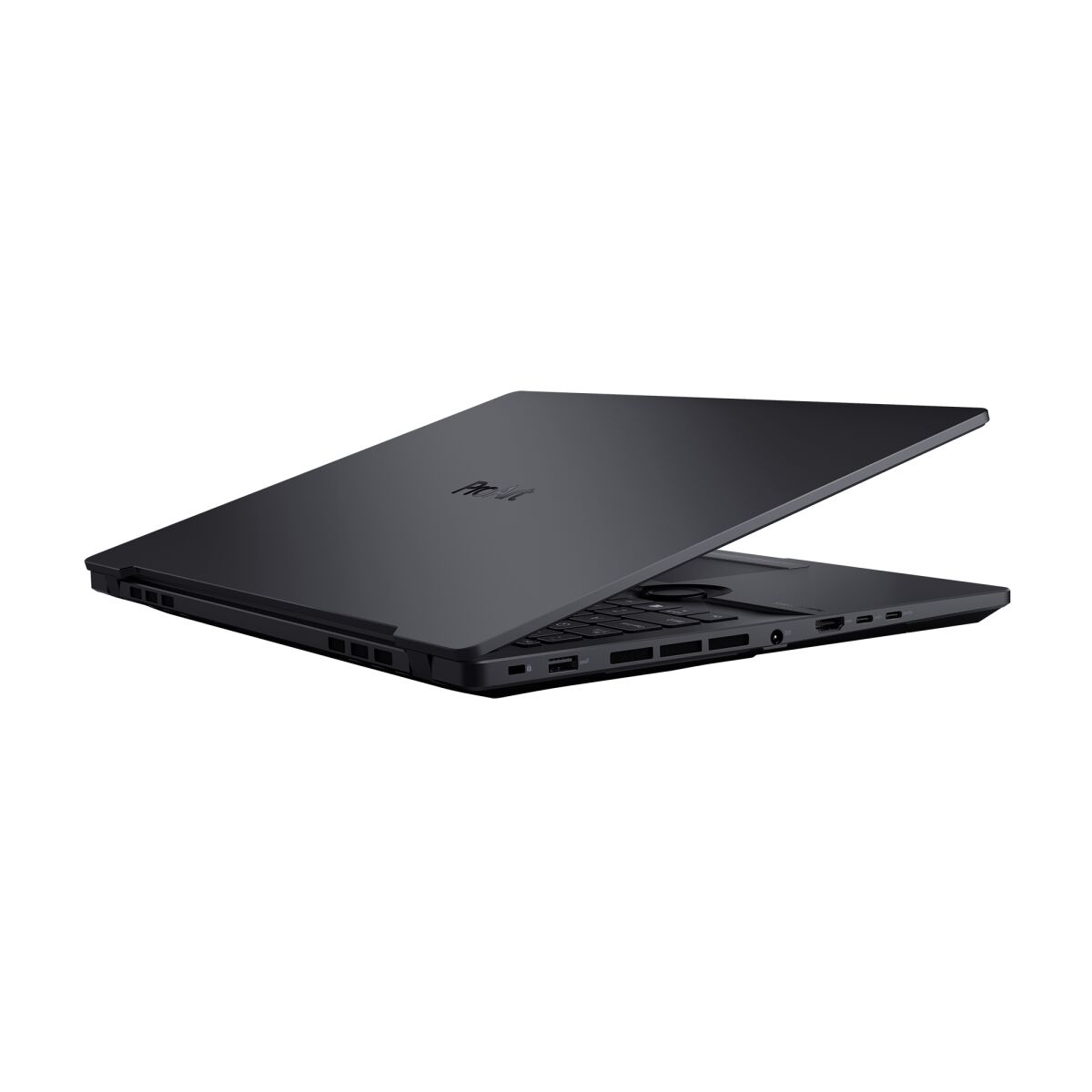

ASUS ProArt StudioBook Series 16 model HM5600QM-KV003R supports DDR4-SDRAM memory upgrades. The laptop features 2x SO-DIMM slots compatible with DDR4-3200 MHz specifications. Maximum RAM capacity reaches 64 GB total. Memory upgrade options utilize standard SO-DIMM form factor modules. Specifications indicate compatible memory configurations support up to 64 GB capacity across the dual upgrade slots available in this professional workstation model.
Memory Upgrade Specifications
| Specification | Value |
|---|---|
| Memory slots | 2x SO-DIMM |
| Form factor | SO-DIMM |
| Memory type | DDR4-SDRAM |
| Frequency | 3200 MHz |
| Maximum RAM | 64 GB |
| Voltage | 1.2V |
| Number of pins | 260-pin |
| Interface | PC4 |
| PC Speed Rating | PC4-3200 (PC4-25600) |
| Bandwidth | 25.6 GB/s |
| Laptop Release date | 25 February 2021 |
Additional Notes
- The ASUS ProArt StudioBook HM5600QM-KV003R supports DDR4 modules exclusively, preventing installation of older DDR3 or newer DDR5 memory due to incompatible physical notch positions and voltage requirements.
- The 3200 MHz frequency specification represents the maximum validated speed, meaning faster modules will downclock to this rate without performance benefit.
- The 64 GB ceiling requires two 32 GB SO-DIMM modules operating in dual-channel configuration, as single-module upgrades to 64 GB are physically impossible with 2 slots.
- Mixing module capacities results in asymmetric dual-channel operation, where the system treats the excess capacity beyond the smaller module as single-channel, reducing memory bandwidth for that portion.
- SO-DIMM form factor modules measure approximately 67.6 mm in length compared to 133.35 mm desktop DIMM modules, making standard desktop memory physically incompatible regardless of electrical specifications.
- Accessing memory slots typically requires bottom panel removal, which may void warranty seals on certain regional models if tamper-evident stickers are present.
- Non-ECC unbuffered modules are required, as ECC or registered memory types will either fail POST or operate without error correction despite higher cost.
- The memory controller supports dual-channel architecture only when matching capacity modules occupy both slots, otherwise reverting to inferior single-channel bandwidth that halves theoretical throughput.
- Operating voltage must remain at standard 1.2V for DDR4, as low-voltage or overclocking variants may cause instability or system refusal to boot.
- CAS latency variations at 3200 MHz, such as CL22 versus CL16, produce measurable differences in memory-intensive workloads despite identical frequency ratings.