ASUS ProArt StudioBook H7600HM-L2046W RAM upgrade specifications


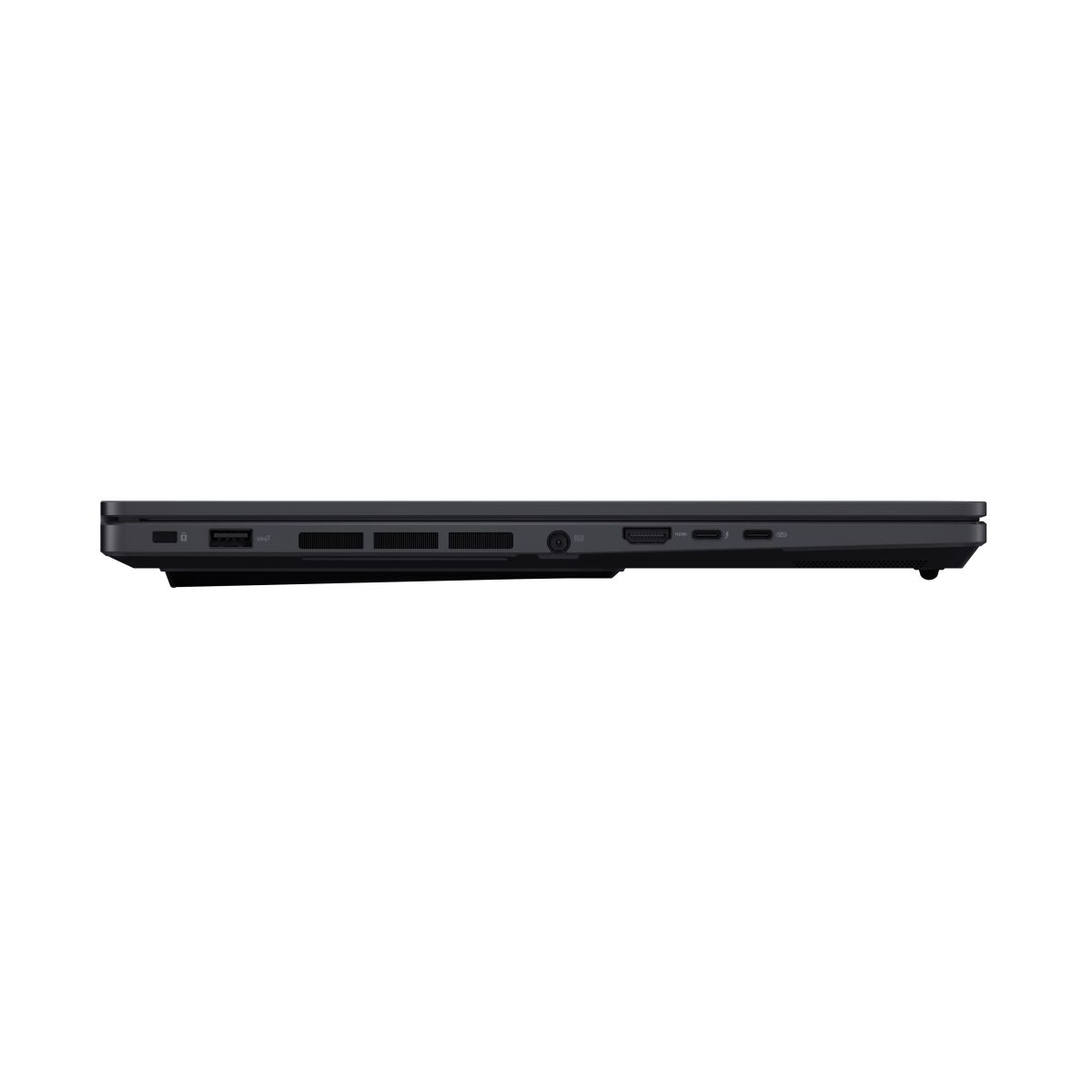
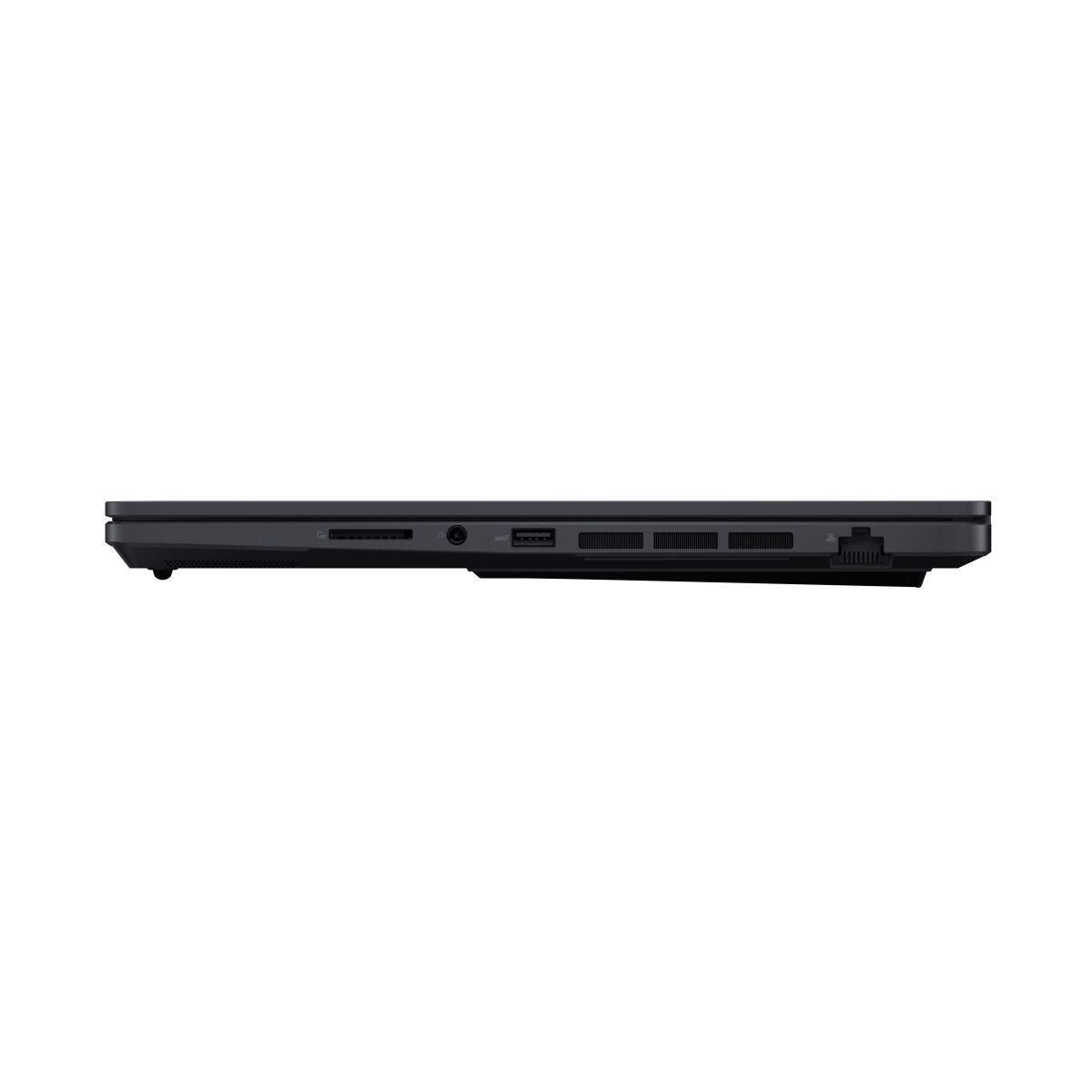
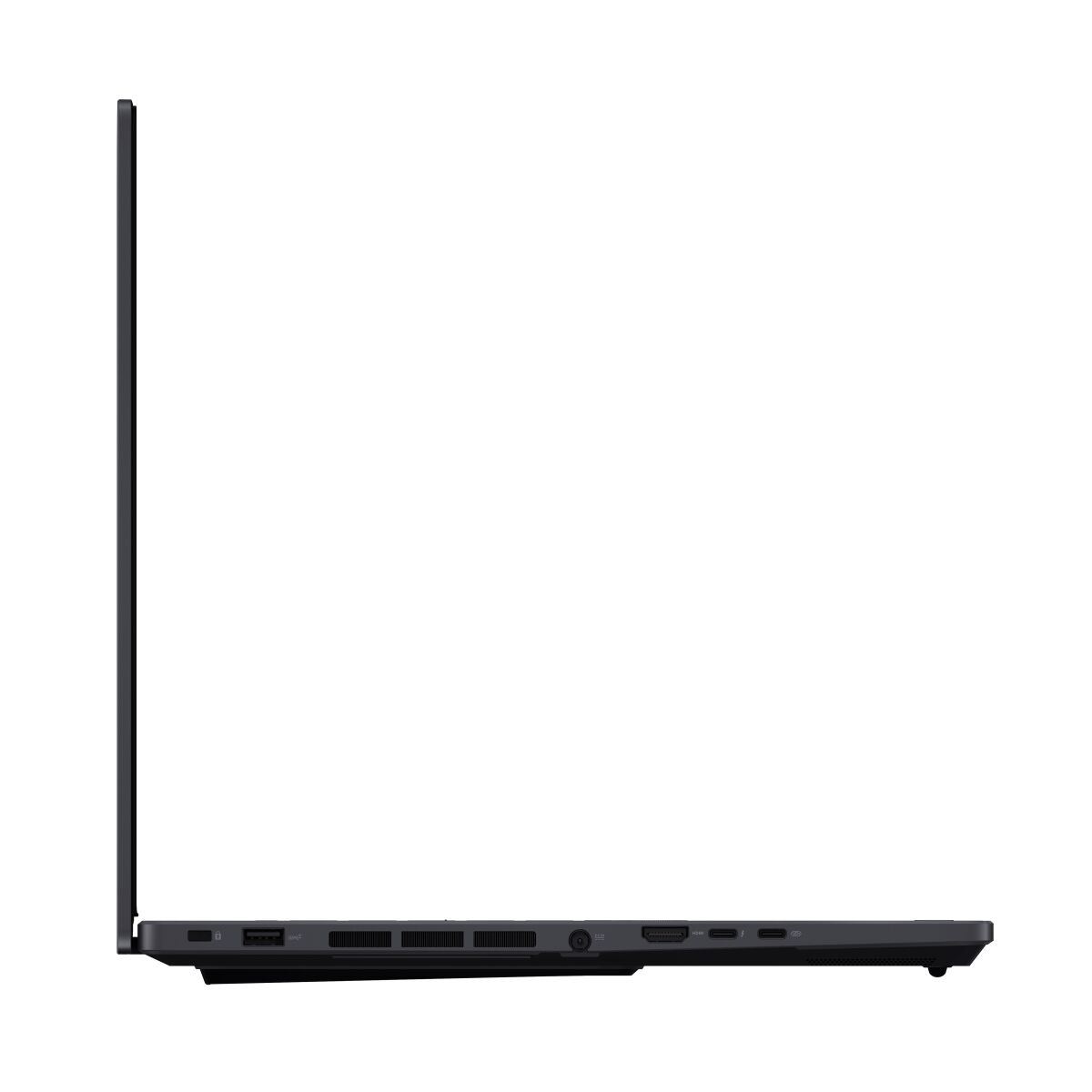
ASUS ProArt StudioBook 16 OLED model H7600HM-L2046W features DDR4-SDRAM memory with maximum upgrade capacity of 64 GB across 2 SO-DIMM slots. Compatible memory operates at 3200 MHz frequency specifications. RAM upgrade slots accommodate standard SO-DIMM form factor modules, allowing expansion beyond factory-installed capacity for enhanced multitasking performance and professional applications.
Memory Upgrade Specifications
| Specification | Value |
|---|---|
| Memory slots | 2x SO-DIMM |
| Form factor | SO-DIMM |
| Memory type | DDR4-SDRAM |
| Frequency | 3200 MHz |
| Maximum RAM | 64 GB |
| Voltage | 1.2V |
| Number of pins | 260-pin |
| Interface | PC4 |
| PC Speed Rating | PC4-3200 (PC4-25600) |
| Bandwidth | 25.6 GB/s |
| Laptop Release date | 07 February 2022 |
Additional Notes
- The ASUS ProArt StudioBook H7600HM-L2046W supports dual-channel memory architecture through its 2 SO-DIMM slots, enabling bandwidth of up to 51.2 GB/s when both slots are populated with matched modules.
- Reaching the 64 GB ceiling requires 2 modules of 32 GB each, as single-slot configurations cap at 32 GB per module for DDR4 SO-DIMM technology.
- The 3200 MHz specification indicates JEDEC standard operation without overclocking, ensuring stability for extended rendering or simulation workloads common in workstation environments.
- Mixing modules with different densities or timings may force the memory controller to downclock all modules to the lowest common speed, potentially reducing effective bandwidth below the rated 3200 MHz.
- SO-DIMM installation typically requires bottom panel removal, which may void certain warranty coverage if damage occurs during user servicing rather than authorized technician intervention.
- DDR4-3200 operates at 1.2V standard voltage, generating less heat than older DDR3 technology and reducing thermal throttling risk in thin chassis designs.
- The dual-slot limitation prevents future expansion beyond 64 GB without replacing existing modules entirely, making initial capacity planning critical for multitasking or memory-intensive applications.
- Non-ECC DDR4 modules are standard for this consumer workstation platform, as the underlying chipset lacks error correction support found in server-grade hardware.
- CAS latency ratings (CL22 typical for 3200 MHz) affect real-world responsiveness in latency-sensitive tasks, though total bandwidth remains the primary performance factor for creative workflows.