ASUS ProArt StudioBook W500G5T-HC004R RAM upgrade specifications


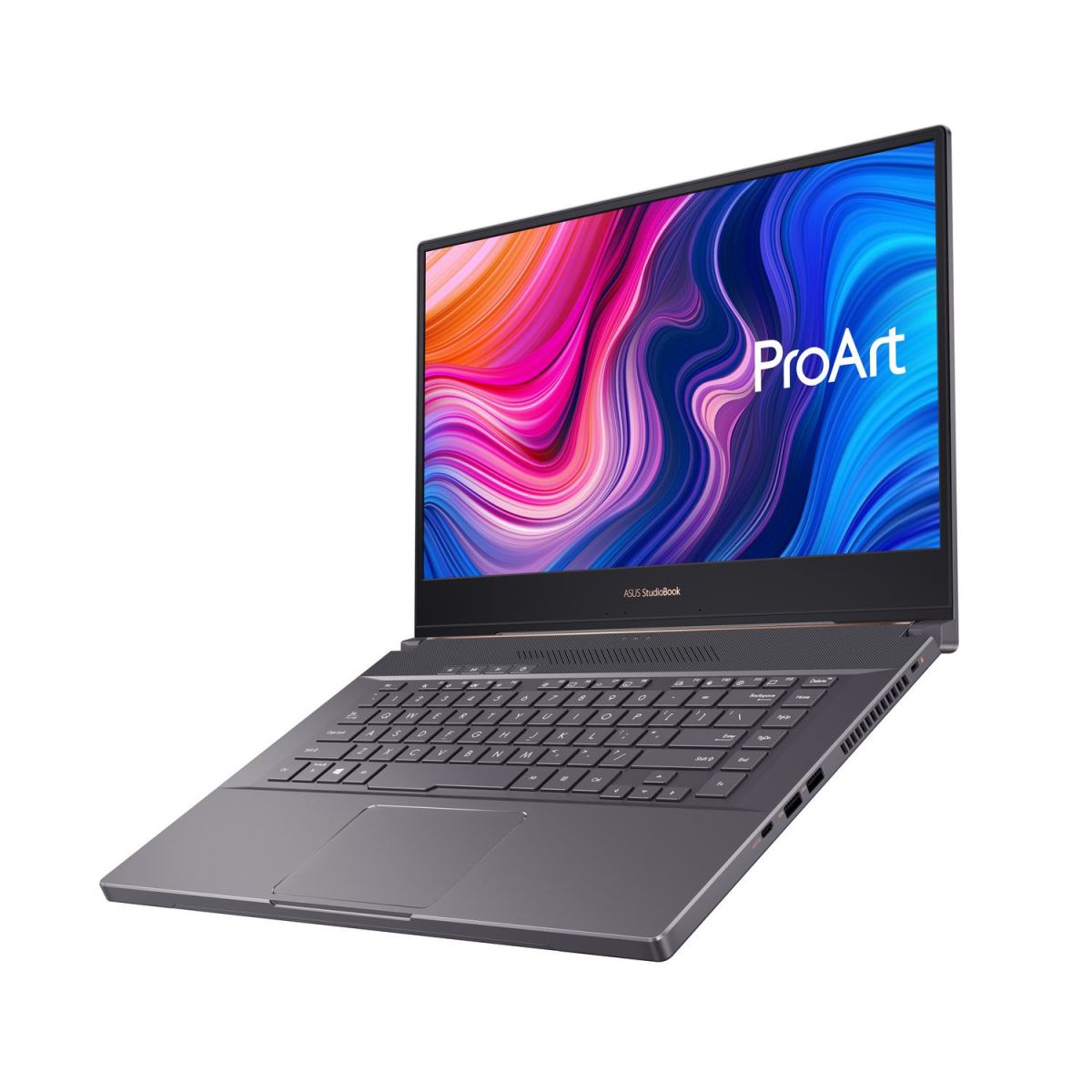
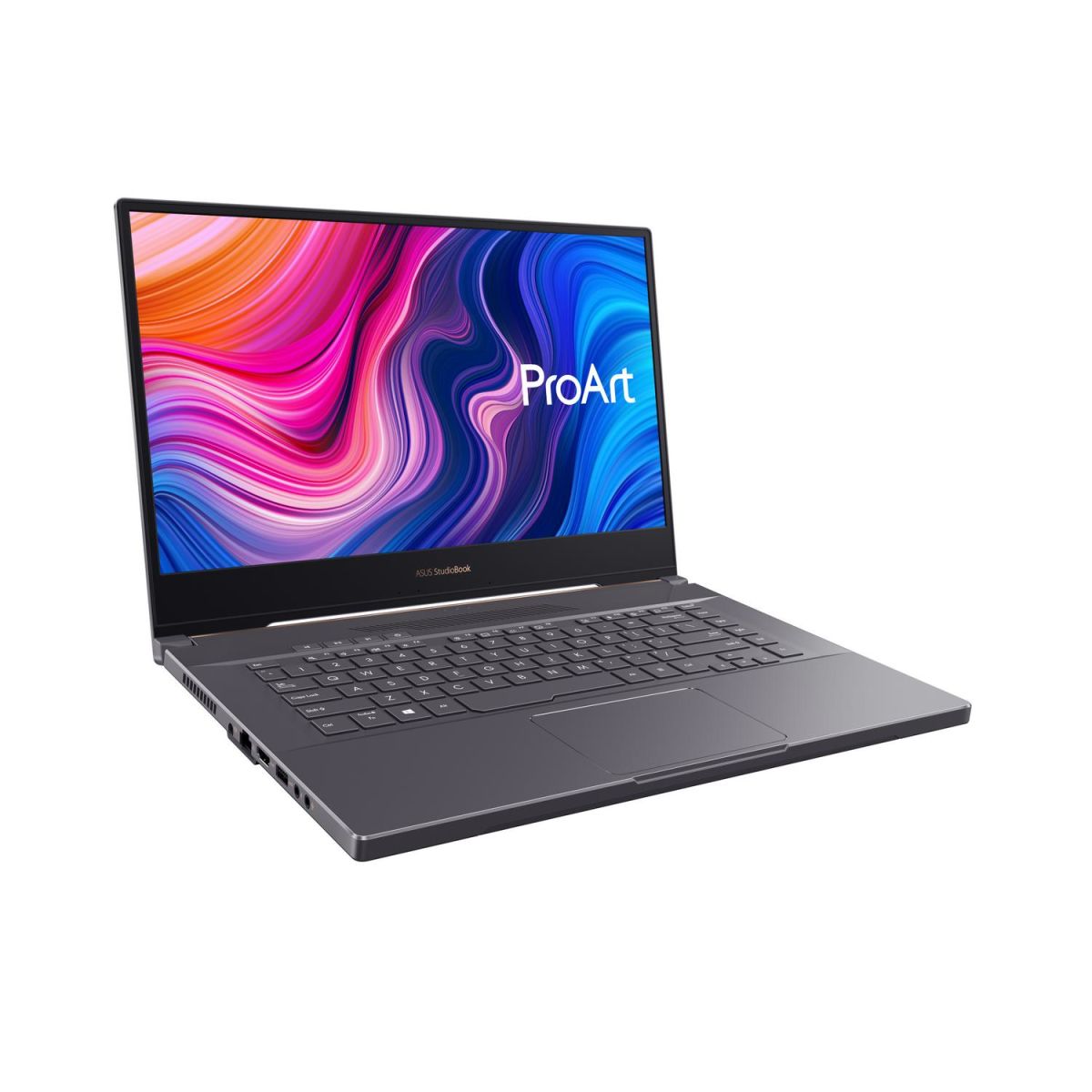
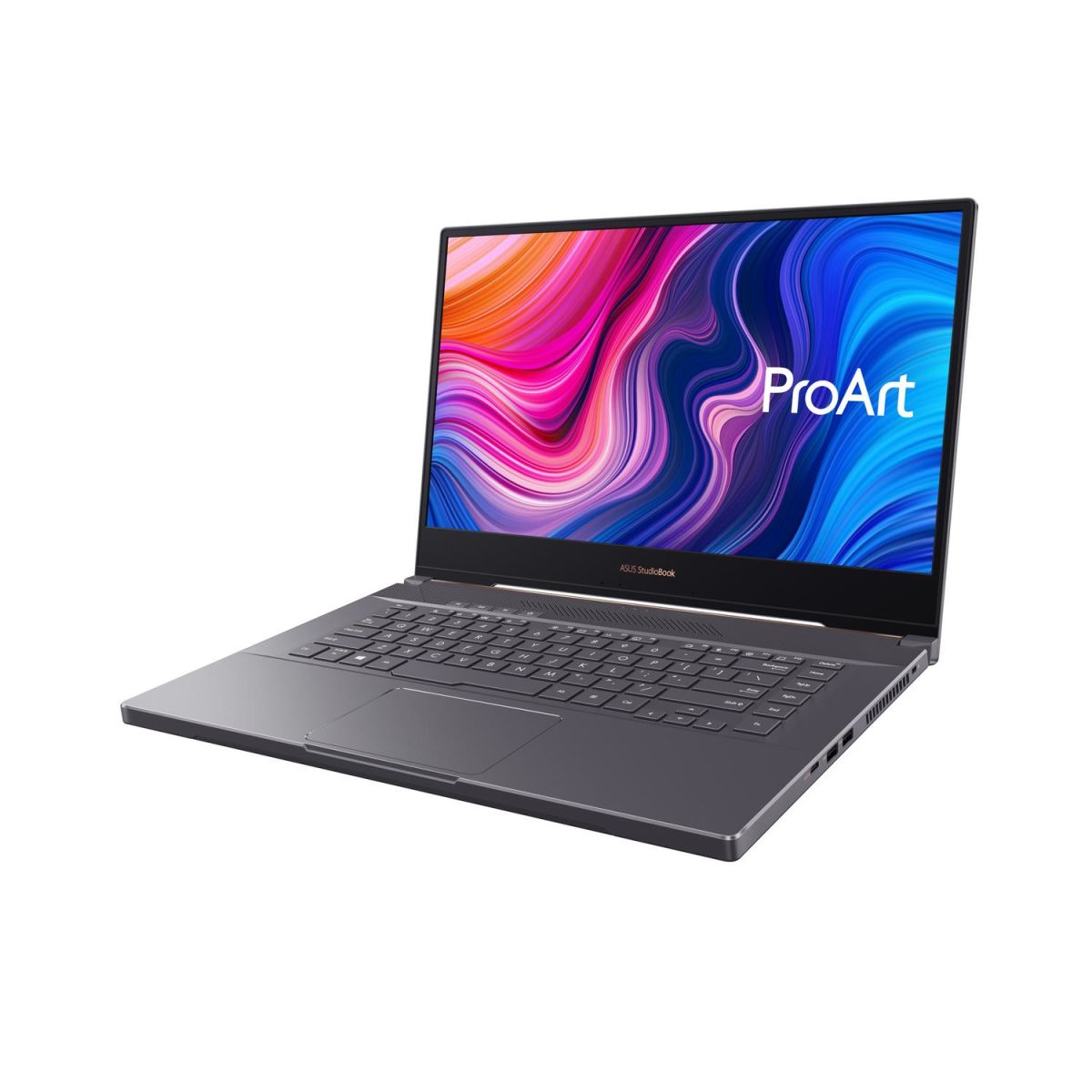
ASUS ProArt StudioBook Pro 15 W500G5T-HC004R features DDR4-SDRAM memory upgrade specifications. The laptop contains 1x SO-DIMM slot for additional memory expansion. Compatible RAM upgrades support maximum capacity of 32 GB total memory. Memory operates at 2666 MHz frequency. The system configuration includes on-board memory combined with one accessible SO-DIMM slot, enabling users to upgrade existing memory modules to enhance performance. Specifications indicate DDR4 technology compatibility for memory modules installed in the upgrade slot.
Memory Upgrade Specifications
| Specification | Value |
|---|---|
| Memory slots | 1x SO-DIMM |
| Form factor | On-board + SO-DIMM |
| Memory type | DDR4-SDRAM |
| Frequency | 2666 MHz |
| Maximum RAM | 32 GB |
| Voltage | 1.2V |
| Number of pins | 260-pin |
| Interface | PC4 |
| PC Speed Rating | PC4-2666 (PC4-21328) |
| Bandwidth | 21.3 GB/s |
| Laptop Release date | 07 January 2020 |
Additional Notes
- The ASUS ProArt StudioBook W500G5T-HC004R contains soldered memory on the motherboard, meaning only 1 SO-DIMM slot is user-accessible for upgrades; the remaining capacity toward 32 GB maximum is fixed at the factory.
- DDR4-2666 MHz memory operates below contemporary performance standards for this class of workstation, creating potential bandwidth constraints during parallel rendering, 4K video editing, or simultaneous multi-threaded processing tasks that benefit from faster memory architectures.
- Replacement SO-DIMM modules must match DDR4-2666 specifications exactly; newer DDR4 variants rated at 3200 MHz or higher will downclock to 2666 MHz when installed, wasting performance potential and investment on newer memory components.
- The single upgrade slot limits practical memory expansion; upgrading from the factory configuration requires purchasing a complete 16 GB or 32 GB SO-DIMM module rather than adding incremental capacity through multiple stalls.
- SO-DIMM form factor confirmation indicates this is a mobile workstation rather than desktop class; RAM upgrades will be physically smaller and require accessing internal compartments, not external slots typical of larger systems.
- Memory bandwidth saturation becomes a secondary bottleneck when pairing DDR4-2666 with high-core-count mobile processors, as the memory subsystem cannot fully service sustained computational demands common in professional content creation workflows.