ASUS ProArt StudioBook W5600Q2A-L2037R RAM upgrade specifications

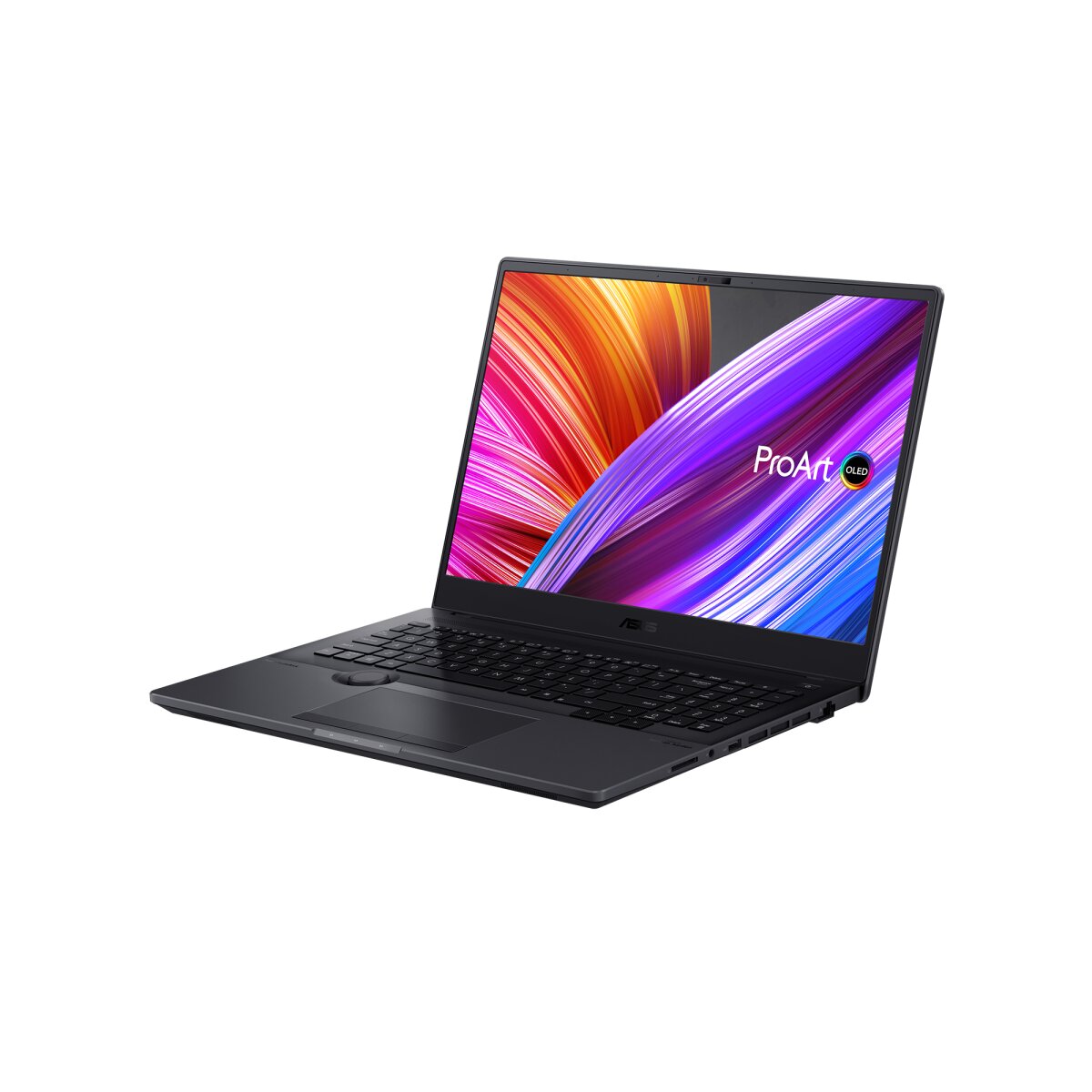



ASUS ProArt StudioBook Pro 16 OLED model W5600Q2A-L2037R features DDR4-SDRAM memory upgrade specifications. The workstation contains 2x SO-DIMM slots supporting maximum RAM capacity of 64 GB. Compatible memory modules operate at 3200 MHz frequency with SO-DIMM form factor. Specifications enable professionals to upgrade memory configurations for enhanced multitasking performance and resource-intensive creative applications on the mobile workstation platform.
Memory Upgrade Specifications
| Specification | Value |
|---|---|
| Memory slots | 2x SO-DIMM |
| Form factor | SO-DIMM |
| Memory type | DDR4-SDRAM |
| Frequency | 3200 MHz |
| Maximum RAM | 64 GB |
| Voltage | 1.2V |
| Number of pins | 260-pin |
| Interface | PC4 |
| PC Speed Rating | PC4-3200 (PC4-25600) |
| Bandwidth | 25.6 GB/s |
| Laptop Release date | 13 August 2021 |
Additional Notes
- The ASUS ProArt StudioBook W5600Q2A-L2037R uses laptop-class SO-DIMM slots rather than desktop DIMM connectors, restricting memory upgrades to mobile-specific modules and preventing use of standard tower RAM.
- DDR4-3200 specifications indicate this system predates DDR5 adoption; replacement modules must match this exact generation to avoid incompatibility, as DDR5 SO-DIMMs are electrically incompatible with DDR4 slots.
- The 2-slot configuration creates a single upgrade constraint: both factory-installed modules must be removed simultaneously to reach the 64 GB maximum, resulting in complete memory replacement rather than incremental expansion.
- SO-DIMM physical dimensions (67.6 x 30 mm) are significantly smaller than desktop equivalents, requiring careful handling during installation and potentially complicating thermal management in confined laptop chassis spaces.
- A 64 GB ceiling on this mobile workstation indicates the memory controller on the underlying processor architecture does not support higher capacities, making future memory scaling impossible without motherboard replacement.
- Warranty considerations: opening the chassis to access SO-DIMM slots may void manufacturer coverage depending on regional policy; verification with ASUS support before proceeding is warranted for models with sealed designs.
- The 3200 MHz frequency operates at standard JEDEC specifications for DDR4 mobile systems; performance gains from faster aftermarket modules (3600 MHz or higher) may not materialize due to locked BIOS memory controllers on workstation platforms.