ASUS ProArt StudioBook W7600H3A-L2029X RAM upgrade specifications


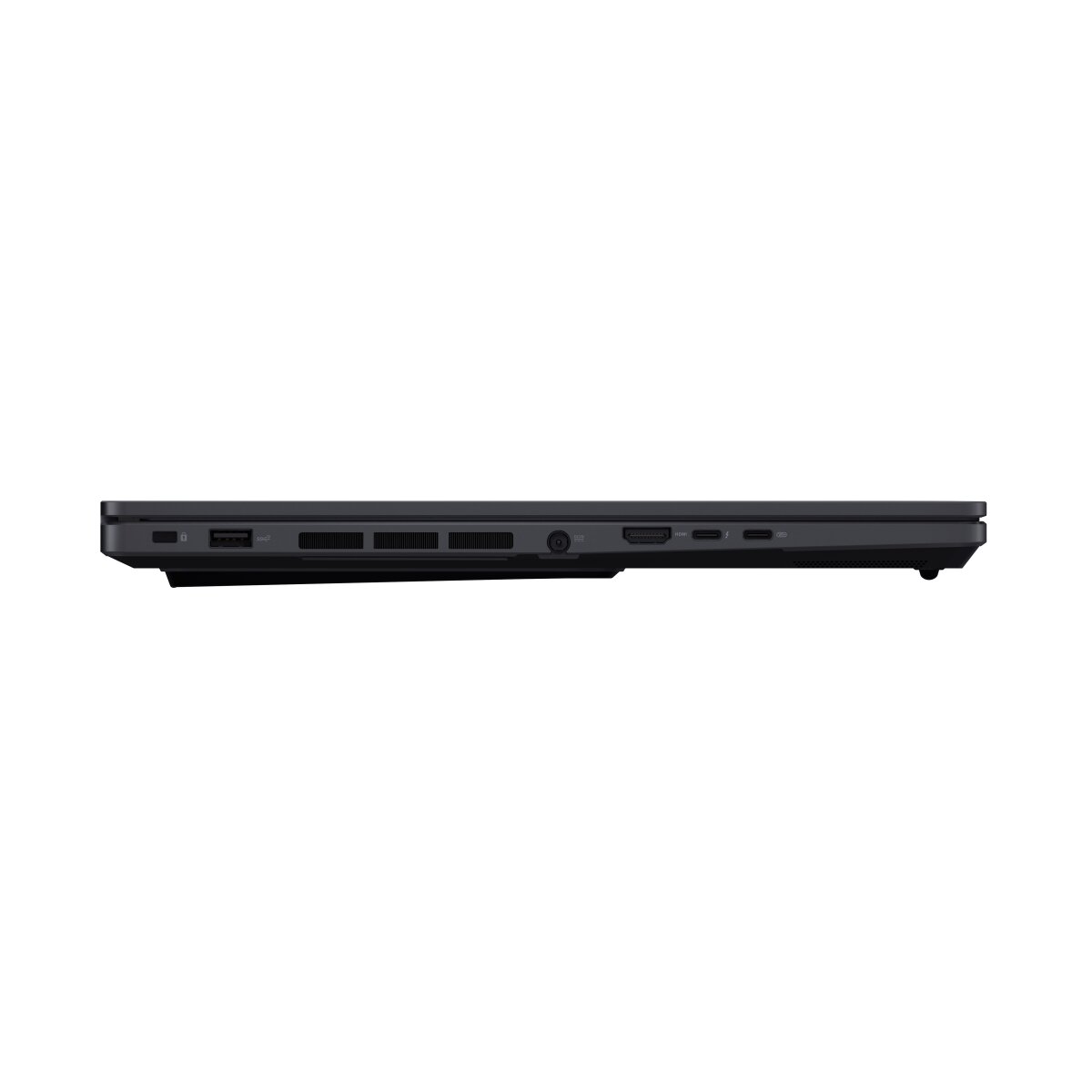
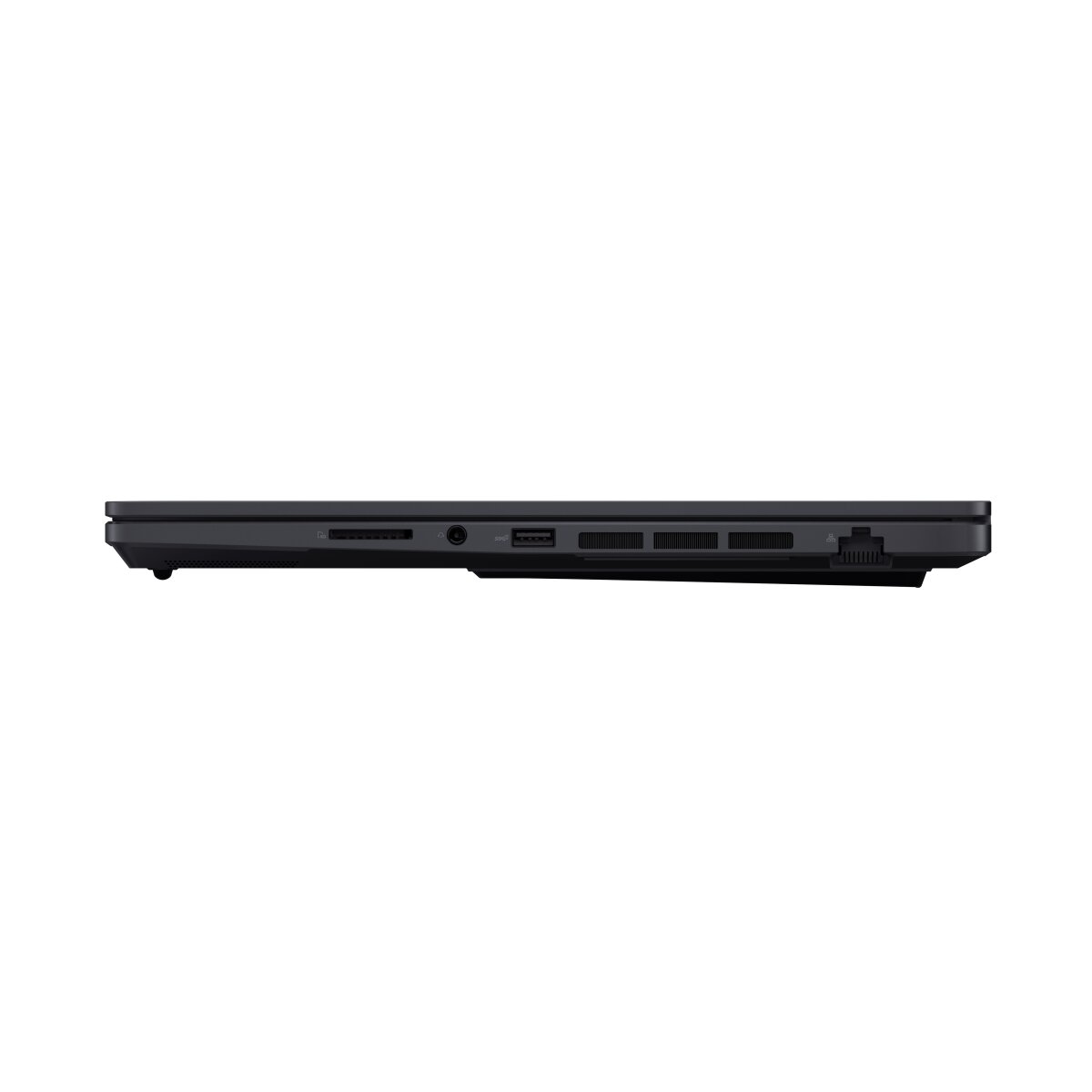

ASUS ProArt StudioBook Pro 16 OLED W7600H3A-L2029X RAM upgrade specifications detail DDR4-SDRAM memory compatibility. The laptop features 2x SO-DIMM slots supporting maximum 64 GB capacity at 3200 MHz frequency. Compatible upgrades utilize SO-DIMM form factor modules. Memory specifications enable substantial upgrade potential for professional workstation applications requiring enhanced RAM capacity and multitasking performance.
Memory Upgrade Specifications
| Specification | Value |
|---|---|
| Memory slots | 2x SO-DIMM |
| Form factor | SO-DIMM |
| Memory type | DDR4-SDRAM |
| Frequency | 3200 MHz |
| Maximum RAM | 64 GB |
| Voltage | 1.2V |
| Number of pins | 260-pin |
| Interface | PC4 |
| PC Speed Rating | PC4-3200 (PC4-25600) |
| Bandwidth | 25.6 GB/s |
| Laptop Release date | 13 August 2021 |
Additional Notes
- The ASUS ProArt StudioBook W7600H3A-L2029X accepts only DDR4 modules, preventing any use of older DDR3 or newer DDR5 technology due to incompatible pin configurations and voltage requirements.
- The 64 GB ceiling indicates a dual-channel architecture supporting 32 GB modules per slot, which requires purchasing matched pairs to avoid performance degradation from asymmetric configurations.
- SO-DIMM form factor compliance is mandatory, as standard desktop DIMM modules are physically incompatible with the smaller 260-pin mobile slot design.
- The 3200 MHz specification represents the maximum supported data rate, meaning modules rated at higher speeds will downclock to this frequency, wasting the premium cost difference.
- Both memory slots being SO-DIMM type confirms user-accessible upgrade capability without soldered components, though opening the chassis may void manufacturer warranties depending on regional regulations.
- Single-module installations will sacrifice approximately 25-30% memory bandwidth by operating in single-channel mode rather than dual-channel, impacting rendering and compilation workloads significantly.
- Mixing modules with different latency timings across the 2 slots will force the memory controller to adopt the slower timing profile, reducing effective performance below the rated specification.
- The absence of ECC support in standard DDR4-SDRAM means bit-flip errors remain undetected and uncorrected, a consideration for mission-critical computation tasks.
- Thermal constraints in mobile workstations may throttle sustained memory-intensive operations if modules lack adequate heat spreaders, particularly when approaching the 64 GB density limit.
- Upgrading beyond factory-installed capacity requires verifying compatibility with the specific chipset revision, as earlier BIOS versions may not recognize higher-density modules without firmware updates.