ASUS ProArt StudioBook W700G3T-XH99 RAM upgrade specifications

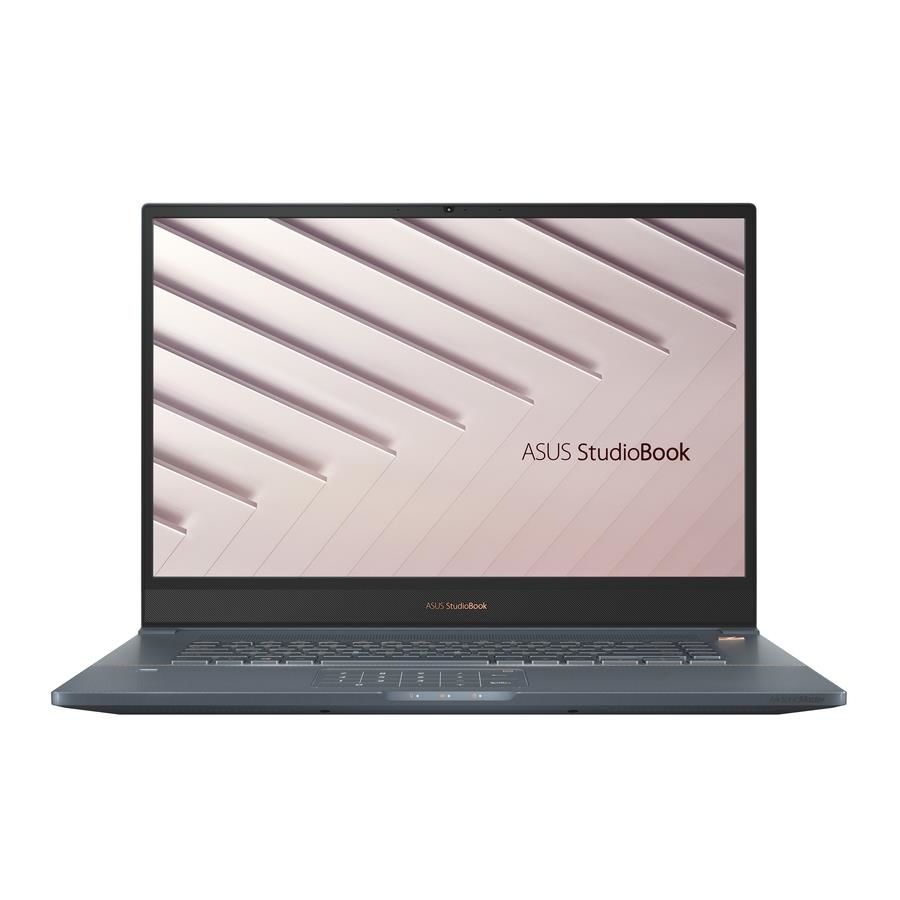
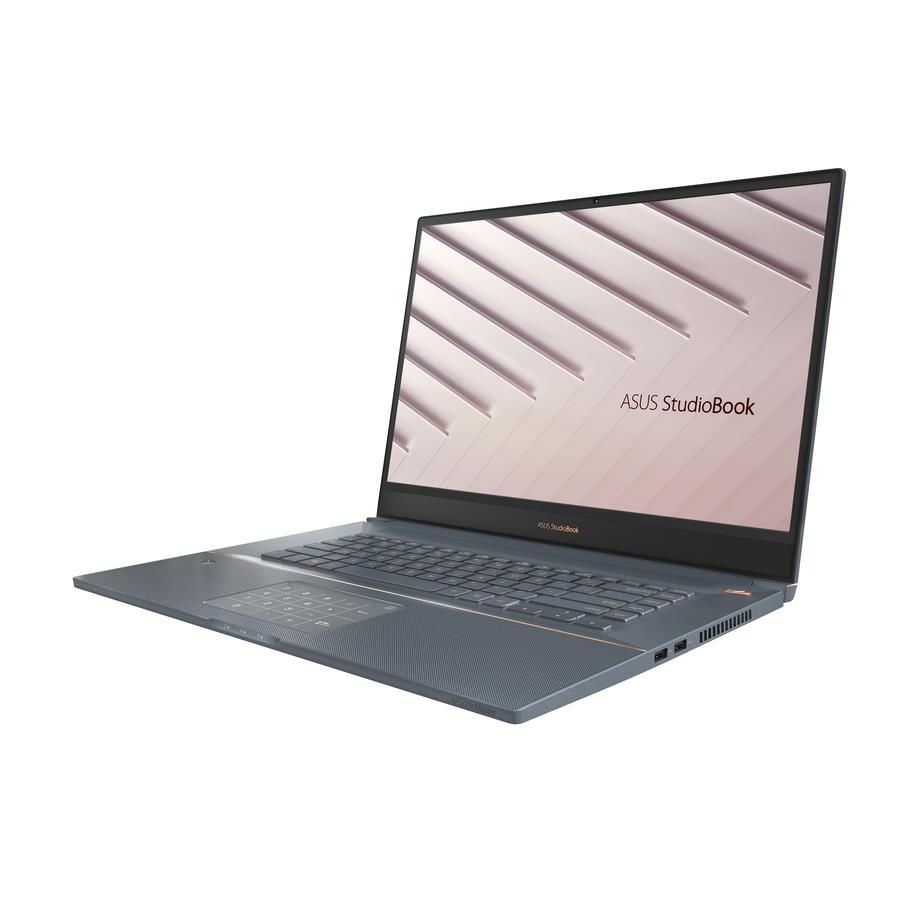

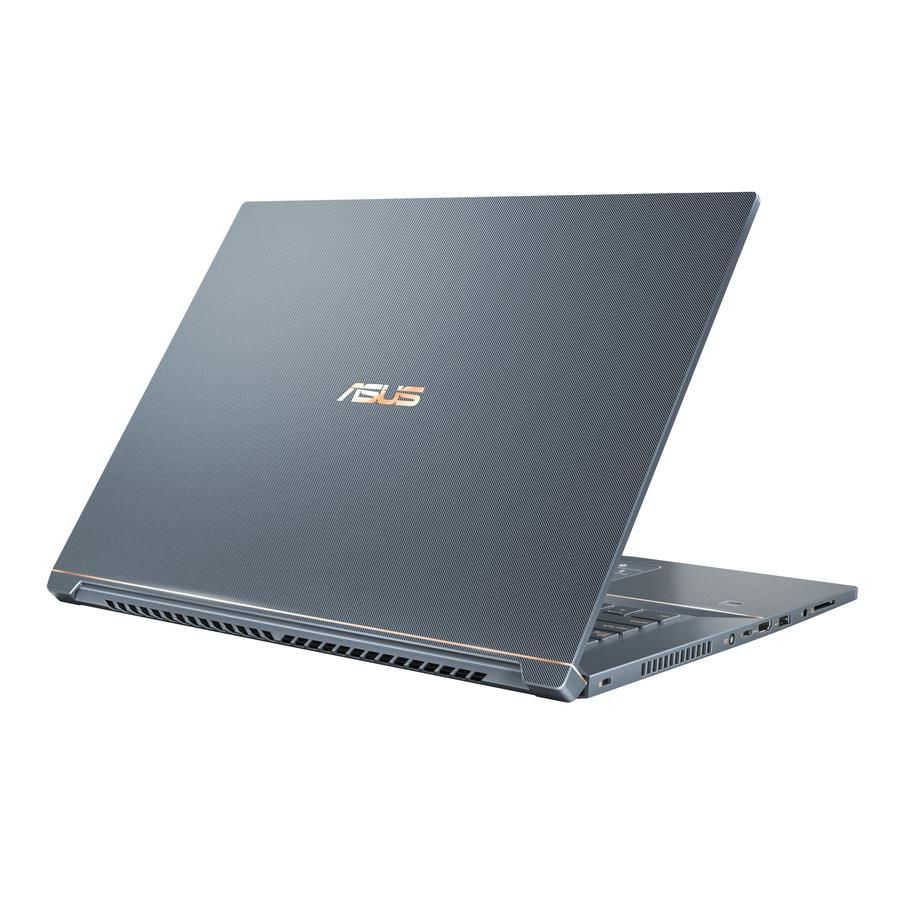
ASUS ProArt StudioBook Pro 17 W700G3T-XH99 memory upgrade specifications include two SO-DIMM slots supporting DDR4-SDRAM modules at 2666 MHz frequency. Maximum RAM capacity reaches 64 GB total. Compatible memory upgrades utilize standard SO-DIMM form factor DDR4 specifications. Current memory configuration permits installation of additional modules within available slots to enhance system performance capabilities. Existing memory slots accommodate compatible DDR4-SDRAM upgrades up to maximum supported capacity limits.
Memory Upgrade Specifications
| Specification | Value |
|---|---|
| Memory slots | 2x SO-DIMM |
| Form factor | SO-DIMM |
| Memory type | DDR4-SDRAM |
| Frequency | 2666 MHz |
| Maximum RAM | 64 GB |
| Voltage | 1.2V |
| Number of pins | 260-pin |
| Interface | PC4 |
| PC Speed Rating | PC4-2666 (PC4-21328) |
| Bandwidth | 21.3 GB/s |
| Laptop Release date | 11 November 2019 |
Additional Notes
- The 2666 MHz frequency specification indicates this ASUS ProArt StudioBook W700G3T-XH99 runs DDR4 at JEDEC standard speeds rather than higher-performance XMP profiles, which may limit throughput in memory-intensive workloads compared to systems supporting 3200 MHz or faster modules.
- The 64 GB maximum capacity distributed across 2 slots requires 32 GB modules for full population, and these higher-density SO-DIMMs typically carry price premiums over more common 8 GB or 16 GB configurations.
- SO-DIMM form factor modules typically operate within tighter thermal envelopes than desktop UDIMM equivalents, making passive cooling through the chassis critical for sustained performance under heavy memory access patterns.
- Dual-channel architecture with 2 slots means both positions must be populated with matched modules to achieve maximum bandwidth, as single-module configurations will halve available memory throughput.
- DDR4-2666 operates at 1.2V standard voltage, and mixing modules with different voltage requirements or SPD profiles may force the system to downclock all installed memory to the lowest common denominator speed.
- Workstation-class mobile platforms often lock memory multipliers in BIOS, preventing manual overclocking even if modules with higher rated speeds are installed, resulting in automatic downclocking to the 2666 MHz platform limit.
- The SO-DIMM slot configuration typically resides beneath bottom panel access doors or requires keyboard assembly removal, with the latter potentially voiding manufacturer warranties if improperly disassembled.
- ECC memory compatibility is not indicated, suggesting the platform uses non-parity modules where bit errors go undetected, a consideration for users running error-sensitive computational tasks.
- Upgrading from factory configurations to the 64 GB maximum will maintain the 2666 MHz frequency only if replacement modules match JEDEC standard timings, as looser timings may introduce stability issues.
- Rank configuration matters for maximum capacity installations, where dual-rank 32 GB modules may impose greater electrical loading on the memory controller compared to single-rank alternatives, potentially affecting stability at rated speeds.