ASUS ROG GV601RW-M5039W RAM upgrade specifications
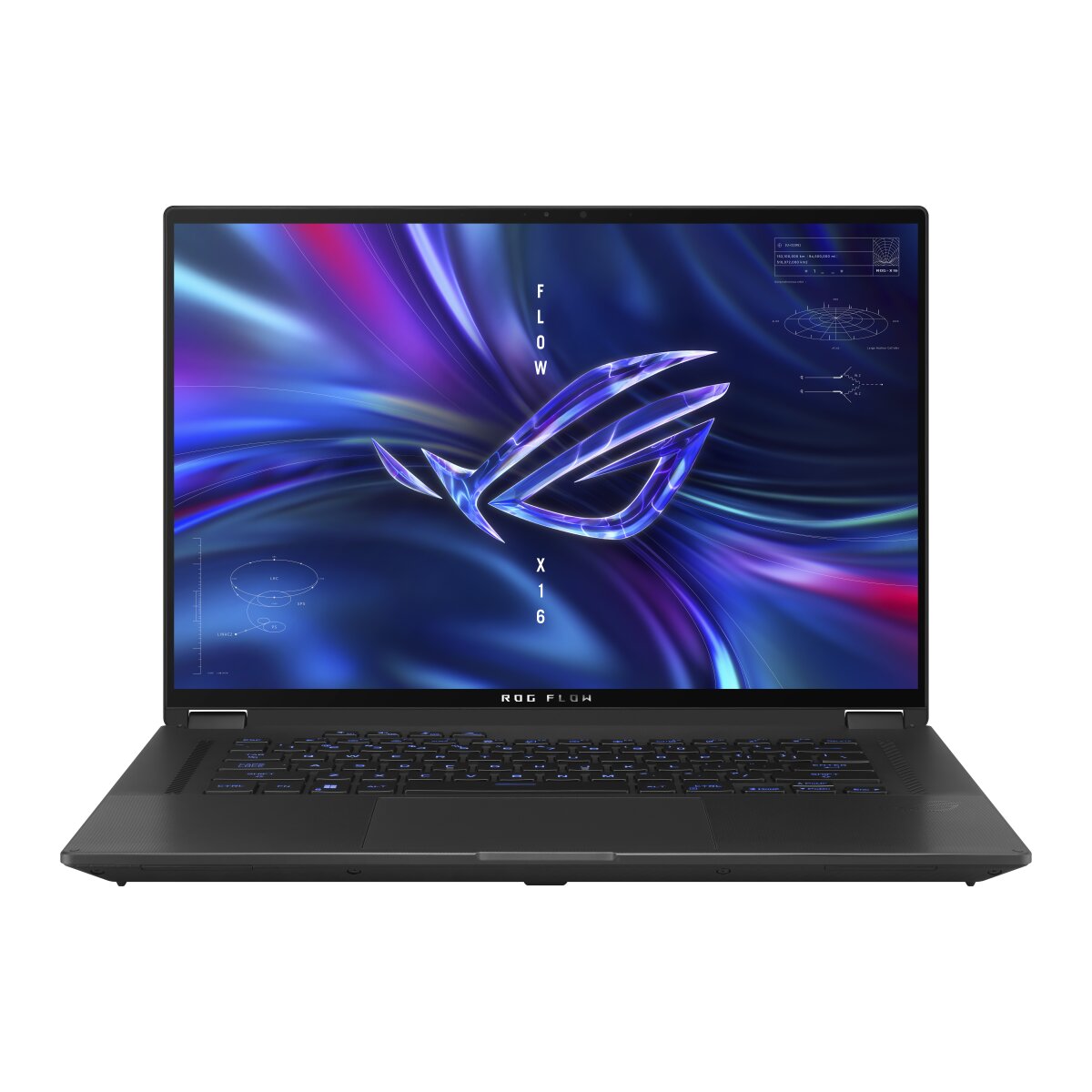
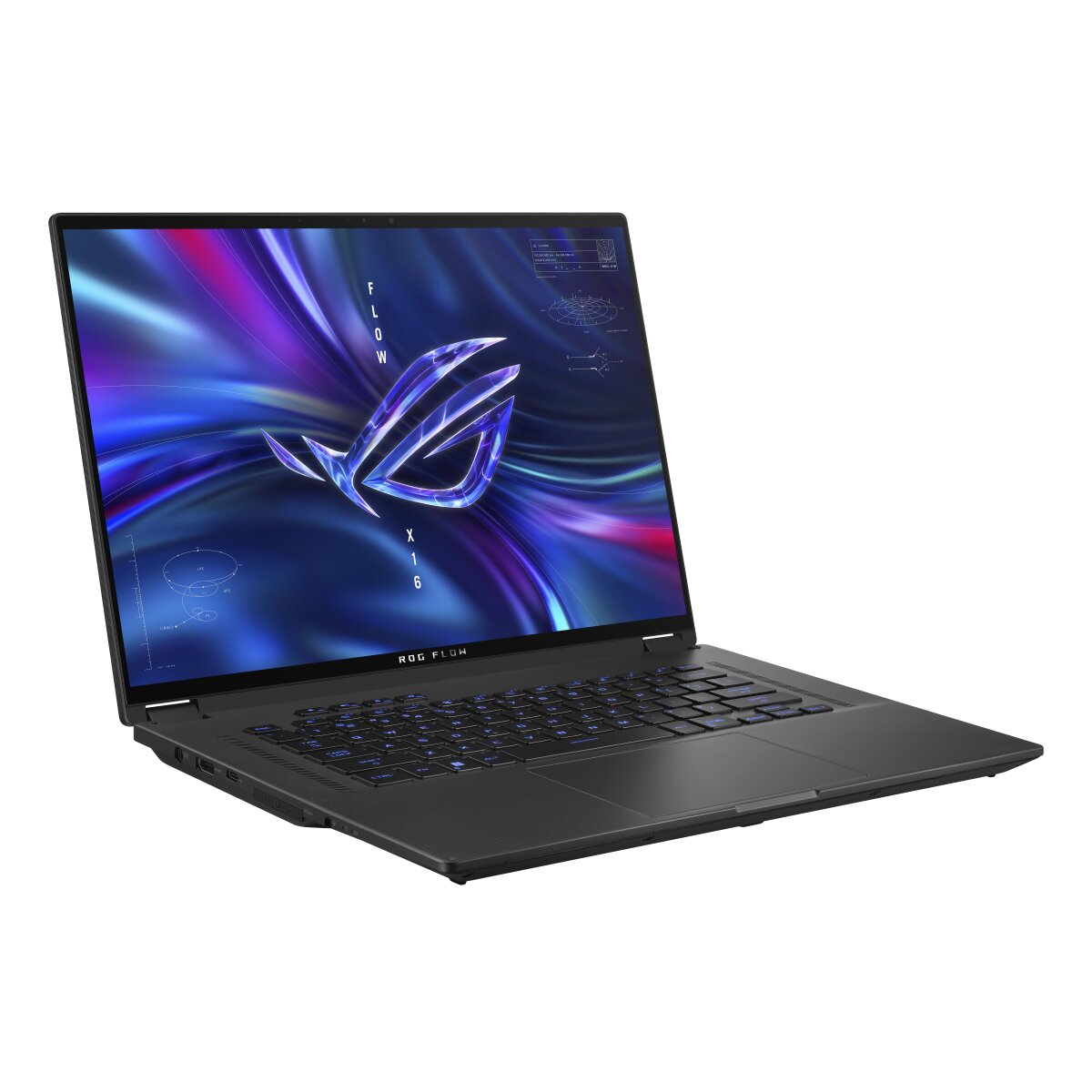
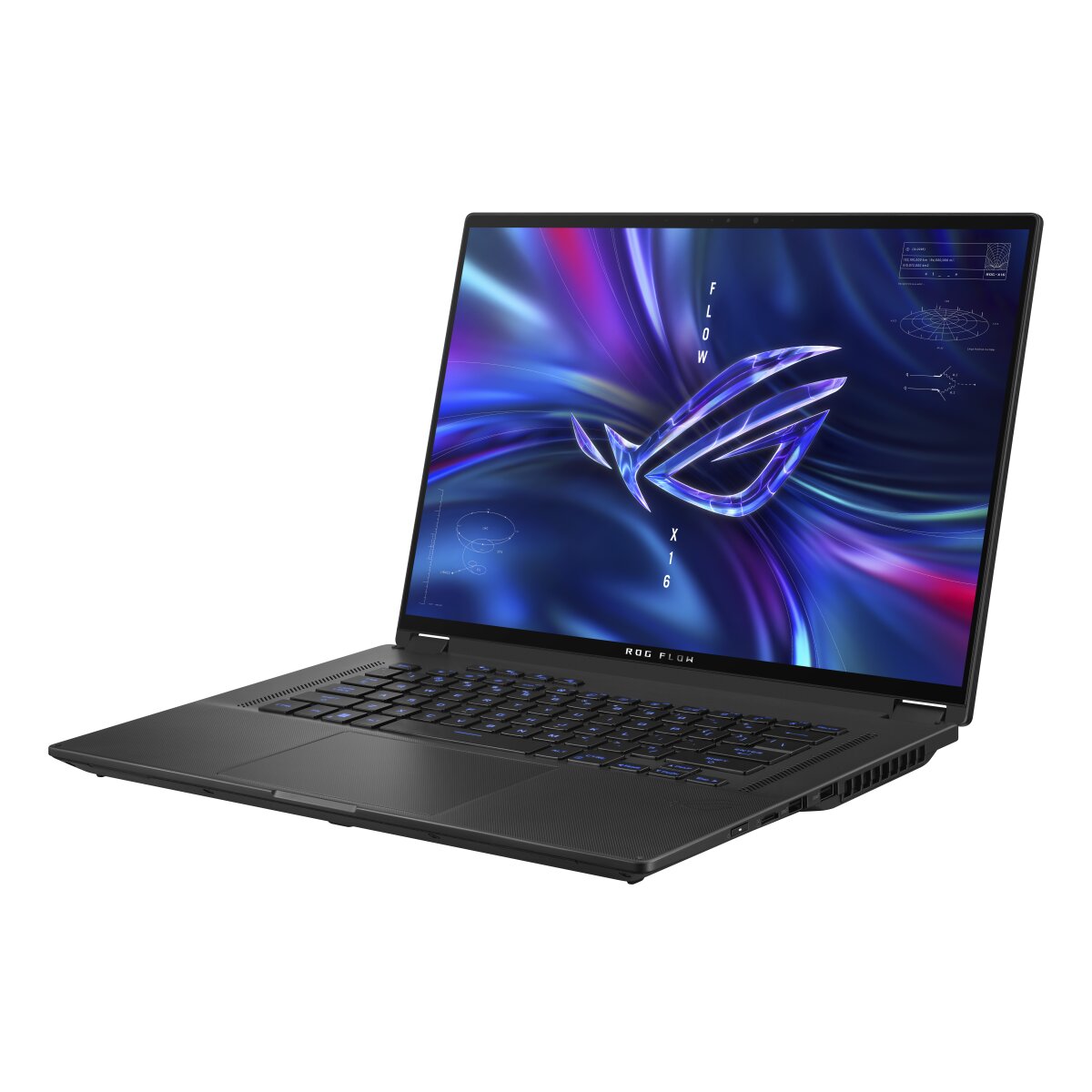
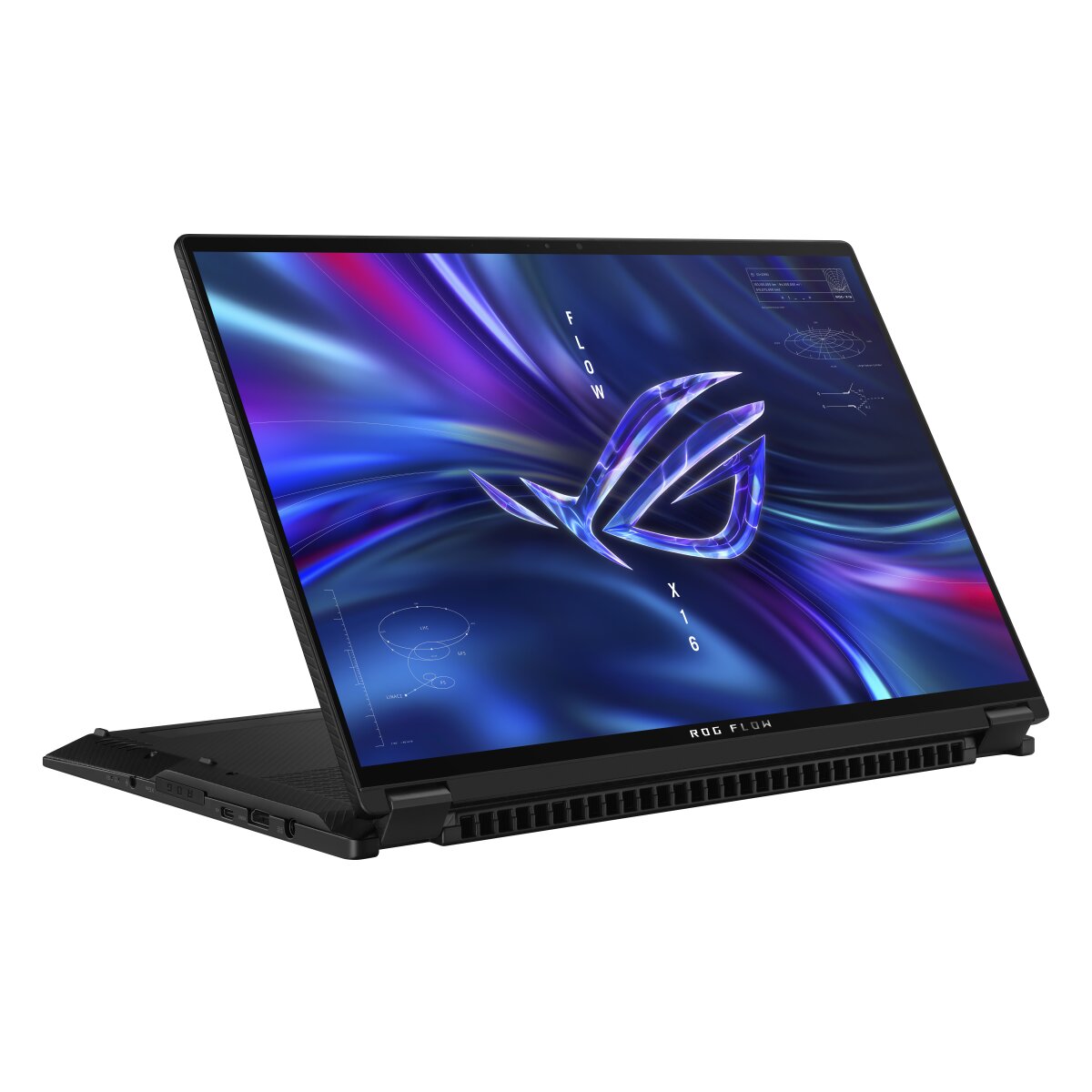

ASUS ROG Flow X16 GV601RW-M5039W compatible RAM upgrade specifications include DDR5-SDRAM memory with maximum capacity of 64 GB across 2x SO-DIMM slots. Supported memory operates at 4800 MHz frequency. Upgrade specifications for this laptop model indicate SO-DIMM form factor compatibility. Memory slots accommodate compatible DDR5 modules for system expansion and performance enhancement.
Memory Upgrade Specifications
| Specification | Value |
|---|---|
| Memory slots | 2x SO-DIMM |
| Form factor | SO-DIMM |
| Memory type | DDR5-SDRAM |
| Frequency | 4800 MHz |
| Maximum RAM | 64 GB |
| Voltage | 1.1V |
| Number of pins | 262-pin |
| Interface | PC5 |
| PC Speed Rating | PC5-4800 (PC5-38400) |
| Bandwidth | 38.4 GB/s |
| Laptop Release date | 05 July 2022 |
Additional Notes
- The ASUS ROG GV601RW-M5039W accepts DDR5 modules exclusively, eliminating backward compatibility with DDR4 or earlier generations due to different pin configurations and voltage requirements.
- The 4800 MHz frequency represents DDR5's baseline specification, offering approximately 50% more bandwidth than DDR4-3200 while operating at lower voltage for improved thermal characteristics.
- Both SO-DIMM slots support dual-channel operation when populated with matched modules, doubling the effective memory bandwidth compared to single-channel configurations.
- The 64 GB maximum capacity requires two 32 GB modules, as DDR5 SO-DIMM density limitations currently cap individual modules at this size for mainstream platforms.
- SO-DIMM form factor modules measure 67.6 mm in length, approximately half the size of standard DIMM modules used in desktop systems, preventing physical compatibility between form factors.
- Memory replacement typically requires accessing the bottom panel of the chassis, though specific disassembly procedures vary by manufacturer design and may affect warranty status if seals are broken.
- DDR5's on-die ECC architecture provides basic error correction at the DRAM level, distinct from server-grade memory ECC which requires platform-level support not typically present in consumer laptops.
- Upgrading beyond factory-installed capacity may require BIOS recognition of higher-density modules, though most systems automatically detect and configure compatible DDR5 SO-DIMMs without manual intervention.
- Power consumption scales with module density and speed, where 2x32 GB configurations draw marginally more power than 2x16 GB setups, potentially affecting battery runtime during memory-intensive operations.
- Thermal output increases with higher memory loads, relying on chassis ventilation design to dissipate heat from SO-DIMM modules that lack dedicated active cooling solutions.