ASUS ROG GV601RW-M5047W RAM upgrade specifications
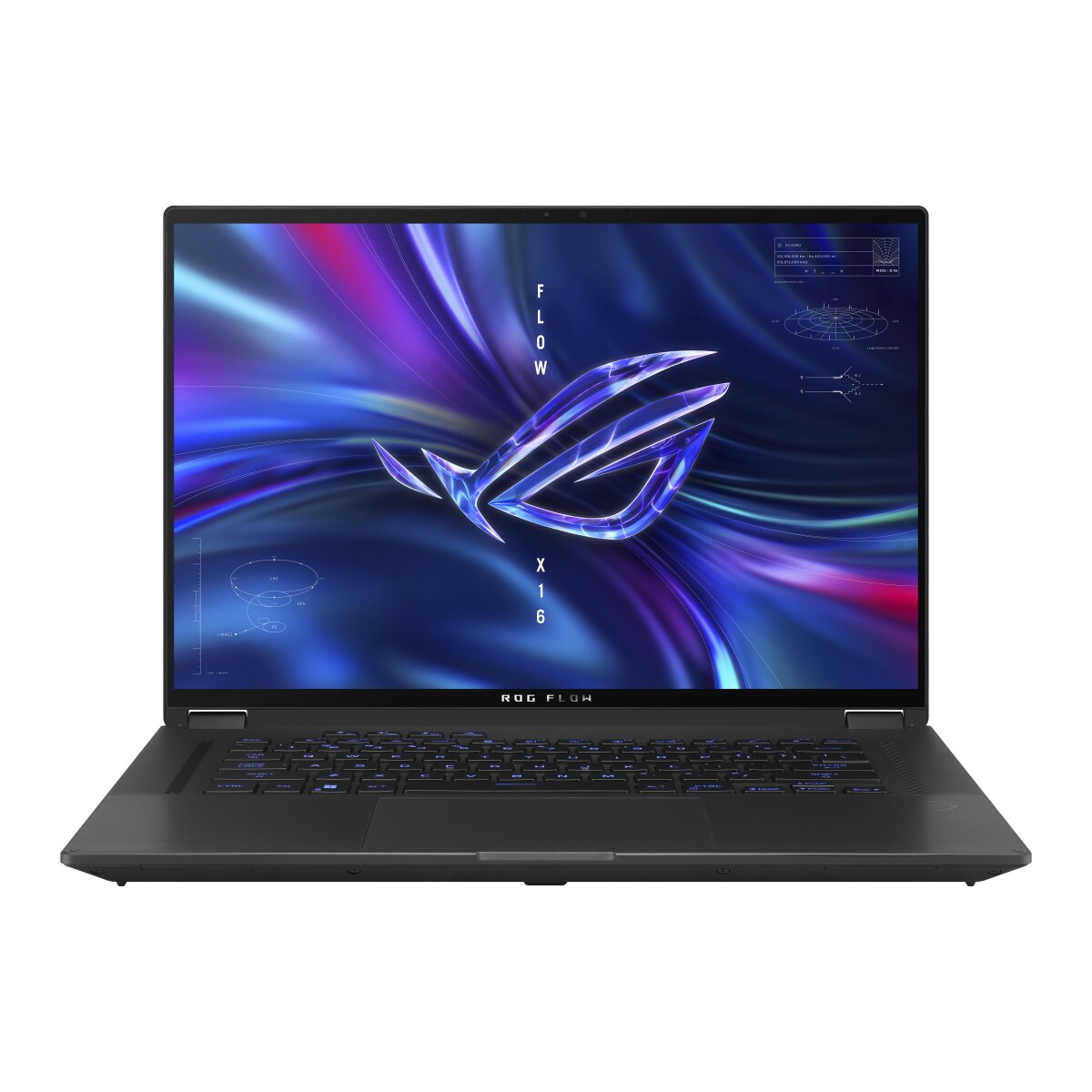
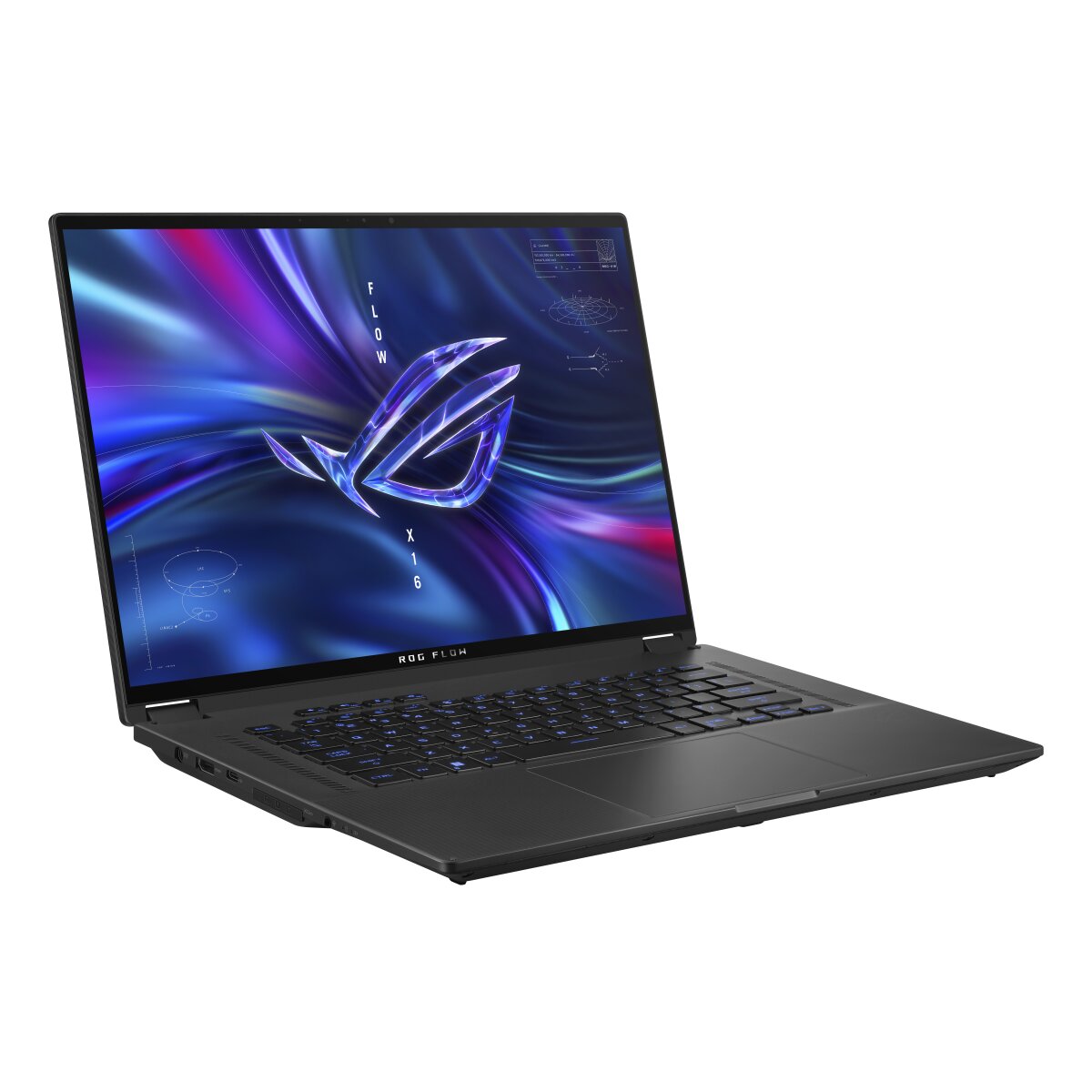

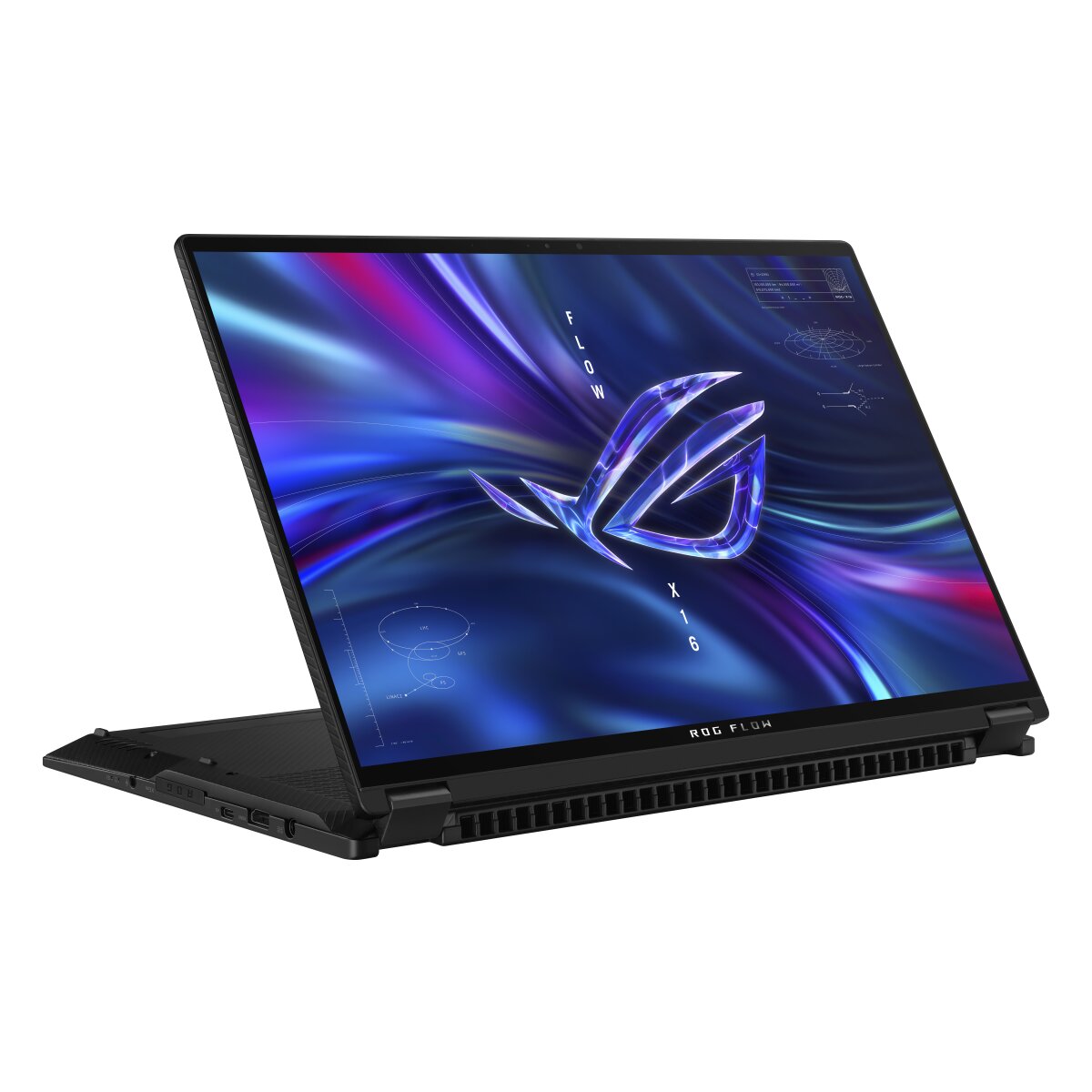

ASUS ROG Flow X16 GV601RW-M5047W laptop features DDR5-SDRAM memory configuration with two SO-DIMM slots supporting maximum capacity of 64 GB. Compatible memory modules operate at 4800 MHz frequency. Upgrade specifications indicate the device accommodates DDR5 SO-DIMM form factor RAM modules, enabling users to expand memory capacity beyond factory configuration. Slot-based architecture permits modular memory expansion through standard laptop DDR5 components. Maximum supported memory specification of 64 GB represents total capacity across both available slots.
Memory Upgrade Specifications
| Specification | Value |
|---|---|
| Memory slots | 2x SO-DIMM |
| Form factor | SO-DIMM |
| Memory type | DDR5-SDRAM |
| Frequency | 4800 MHz |
| Maximum RAM | 64 GB |
| Voltage | 1.1V |
| Number of pins | 262-pin |
| Interface | PC5 |
| PC Speed Rating | PC5-4800 (PC5-38400) |
| Bandwidth | 38.4 GB/s |
| Laptop Release date | 16 September 2022 |
Additional Notes
- The ASUS ROG GV601RW-M5047W contains 2 SO-DIMM slots with a 64 GB aggregate ceiling, indicating maximum single-module capacity of 32 GB per slot. Modules exceeding this density will not be recognized by the system firmware.
- DDR5-4800 MHz represents the JEDEC standard for this platform; memory modules rated above 4800 MHz function only through XMP/EXPO profiles. Stability at higher frequencies depends on BIOS revision and silicon lottery variance, creating potential instability if profile settings are not validated post-installation.
- SO-DIMM form factor requires laptop-specific memory modules; desktop DDR5 UDIMM components are physically incompatible and will not fit the slot mechanical constraints. Vertical clearance above the SO-DIMM slots may restrict heatspreader heights on some aftermarket modules.
- Upgrading from factory-installed memory to dual 32 GB modules requires simultaneous replacement of both slots rather than single-module augmentation. Mixing original and aftermarket modules of different capacities, speeds, or manufacturers introduces compatibility risk and may force the memory controller to downclock all modules to the slowest device specifications.
- DDR5 bandwidth overhead on the Meteor Lake or Arrow Lake processor architecture leaves limited headroom for sustained multi-threaded workloads before latency degradation occurs; paired upgrades to system cooling may be necessary to prevent thermal throttling during extended memory-intensive operations.
- Factory RAM typically operates within conservative timing parameters; replacement modules rated for 4800 MHz may exhibit tighter CAS latency values that require manual BIOS adjustment. Default auto-detection may fail or trigger POST errors on first boot after module installation.