ASUS ROG GV601RW-M5048W RAM upgrade specifications



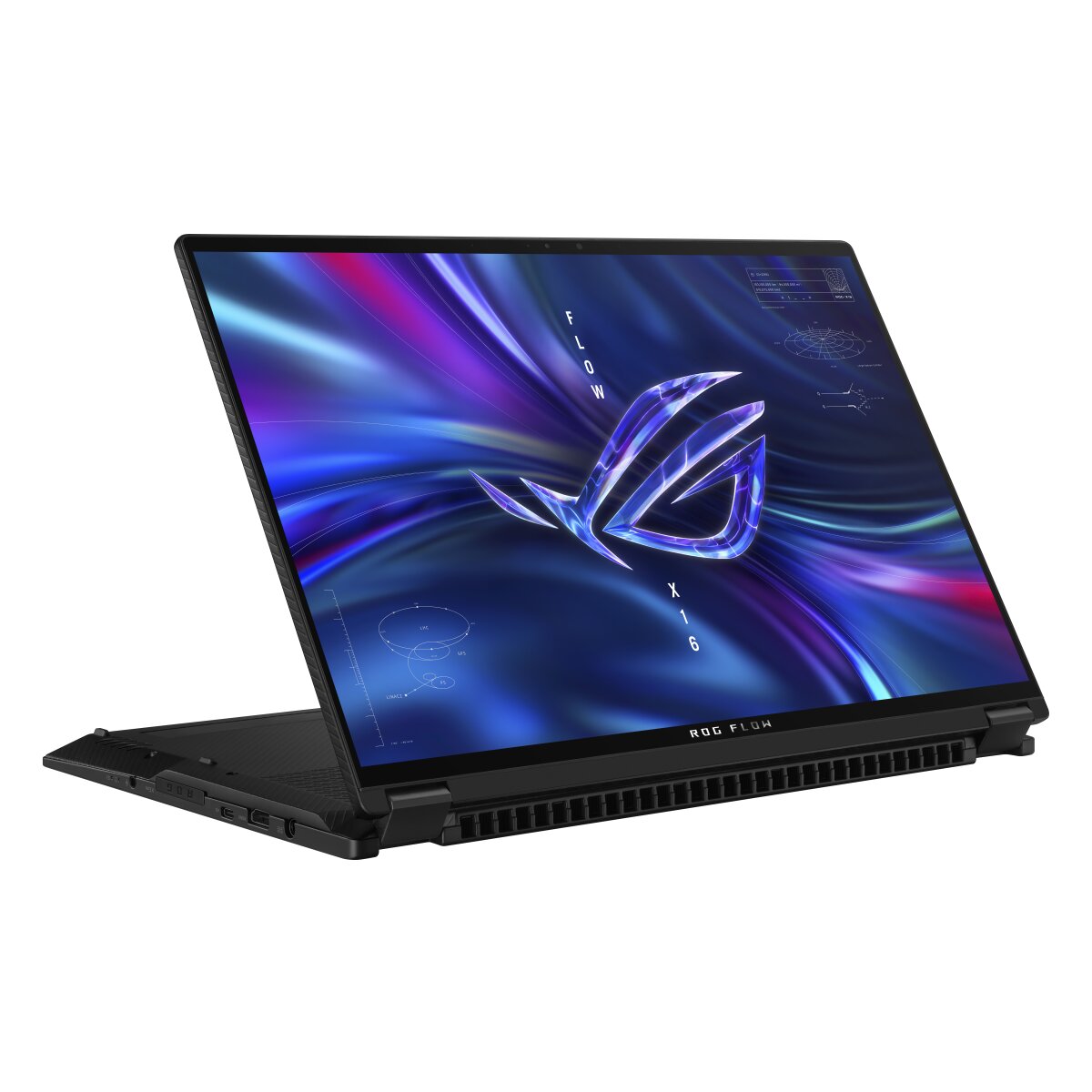

ASUS ROG Flow X16 GV601RW-M5048W laptop memory upgrade specifications feature DDR5-SDRAM technology with two SO-DIMM slots supporting maximum capacity of 64 GB. Compatible memory modules operate at 4800 MHz frequency. Upgrade options accommodate standard SO-DIMM form factor components. Specifications indicate dual-slot configuration enabling memory expansion from factory-installed capacity to full 64 GB maximum RAM support. DDR5 memory type ensures enhanced bandwidth and performance characteristics for this mobile workstation model.
Memory Upgrade Specifications
| Specification | Value |
|---|---|
| Memory slots | 2x SO-DIMM |
| Form factor | SO-DIMM |
| Memory type | DDR5-SDRAM |
| Frequency | 4800 MHz |
| Maximum RAM | 64 GB |
| Voltage | 1.1V |
| Number of pins | 262-pin |
| Interface | PC5 |
| PC Speed Rating | PC5-4800 (PC5-38400) |
| Bandwidth | 38.4 GB/s |
Additional Notes
- The ASUS ROG GV601RW-M5048W utilizes SO-DIMM form factor modules, which restricts upgrade options to notebook-specific memory rather than standard desktop DIMM configurations.
- DDR5-SDRAM architecture operates at higher voltages and uses different pin configurations compared to DDR4, preventing any cross-generation compatibility with older module types.
- The 4800 MHz frequency represents the JEDEC standard baseline for DDR5, meaning modules rated at higher speeds like 5200 MHz or 5600 MHz will typically downclock to match the system's 4800 MHz specification.
- Dual SO-DIMM slot configuration enables dual-channel memory operation when matching capacity modules occupy both slots, doubling theoretical bandwidth compared to single-channel configurations.
- The 64 GB maximum capacity ceiling suggests either a chipset limitation or memory controller constraint that prevents recognition of higher-density modules beyond 32 GB per slot.
- DDR5 SO-DIMM modules require on-die ECC and integrated power management ICs, which increases per-module costs compared to equivalent DDR4 capacities.
- Systems running 4800 MHz DDR5 may exhibit higher latency in nanoseconds compared to high-end DDR4-3200 configurations, despite superior bandwidth throughput.
- Mixing modules with different capacities across the 2 slots will maintain dual-channel operation only up to the capacity of the smaller module, with remaining capacity reverting to single-channel mode.
- Non-user-replaceable designs common in thin gaming laptops may apply, requiring verification that the SO-DIMM slots are physically accessible without voiding manufacturer warranty seals.
- DDR5's improved bank grouping architecture reduces page conflicts during simultaneous read-write operations, benefiting workloads with irregular memory access patterns more than sequential tasks.