ASUS ROG GV601RW-M5054X RAM upgrade specifications
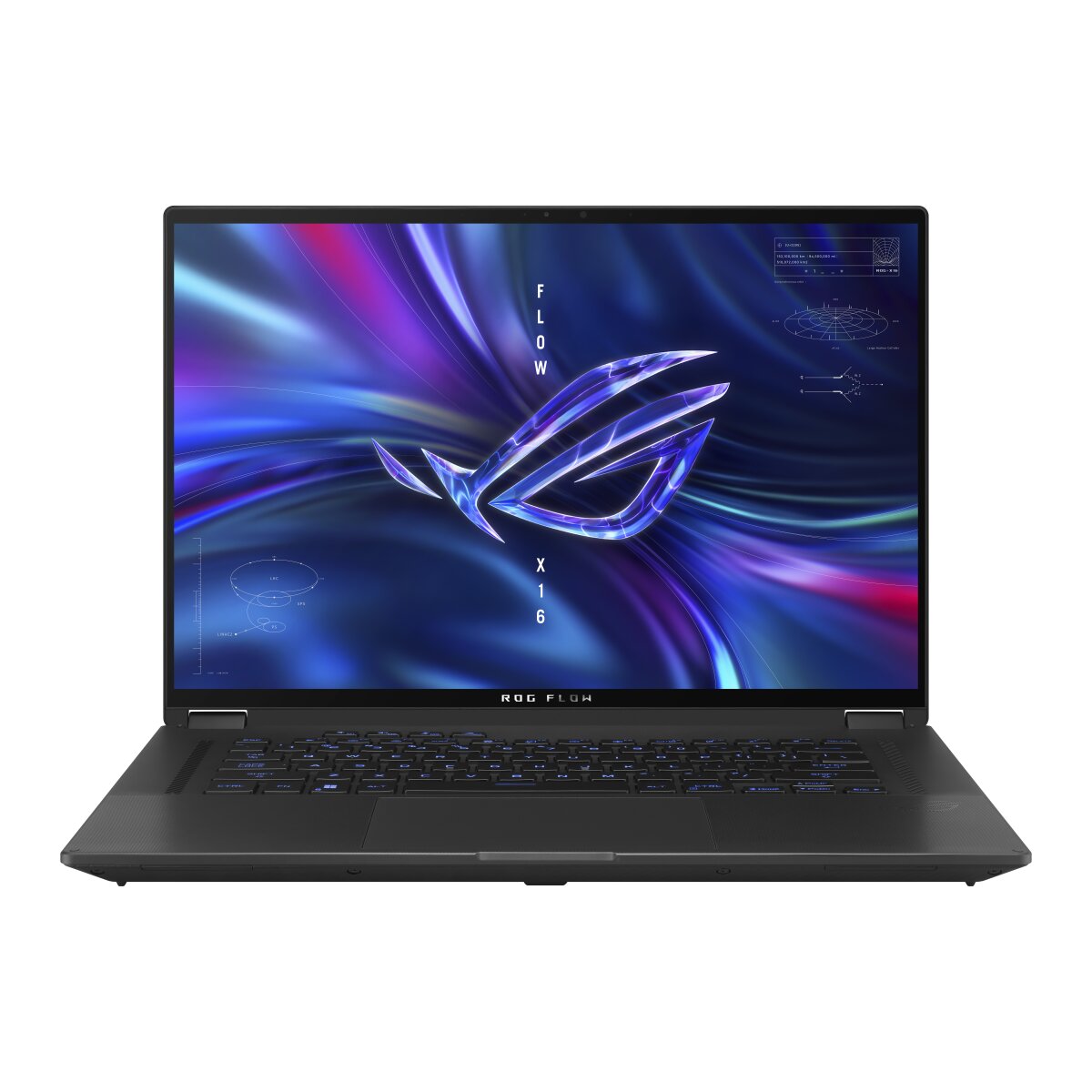
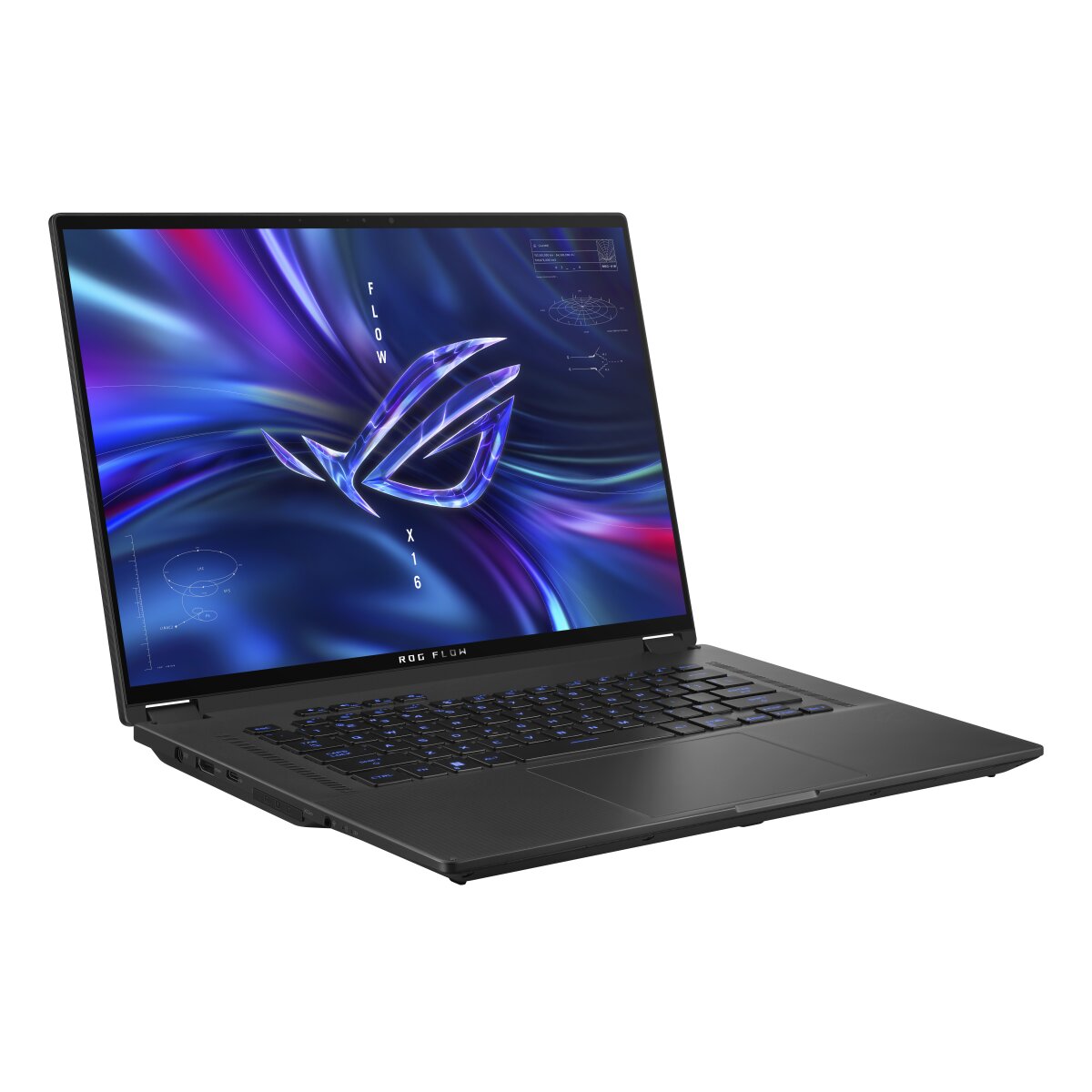
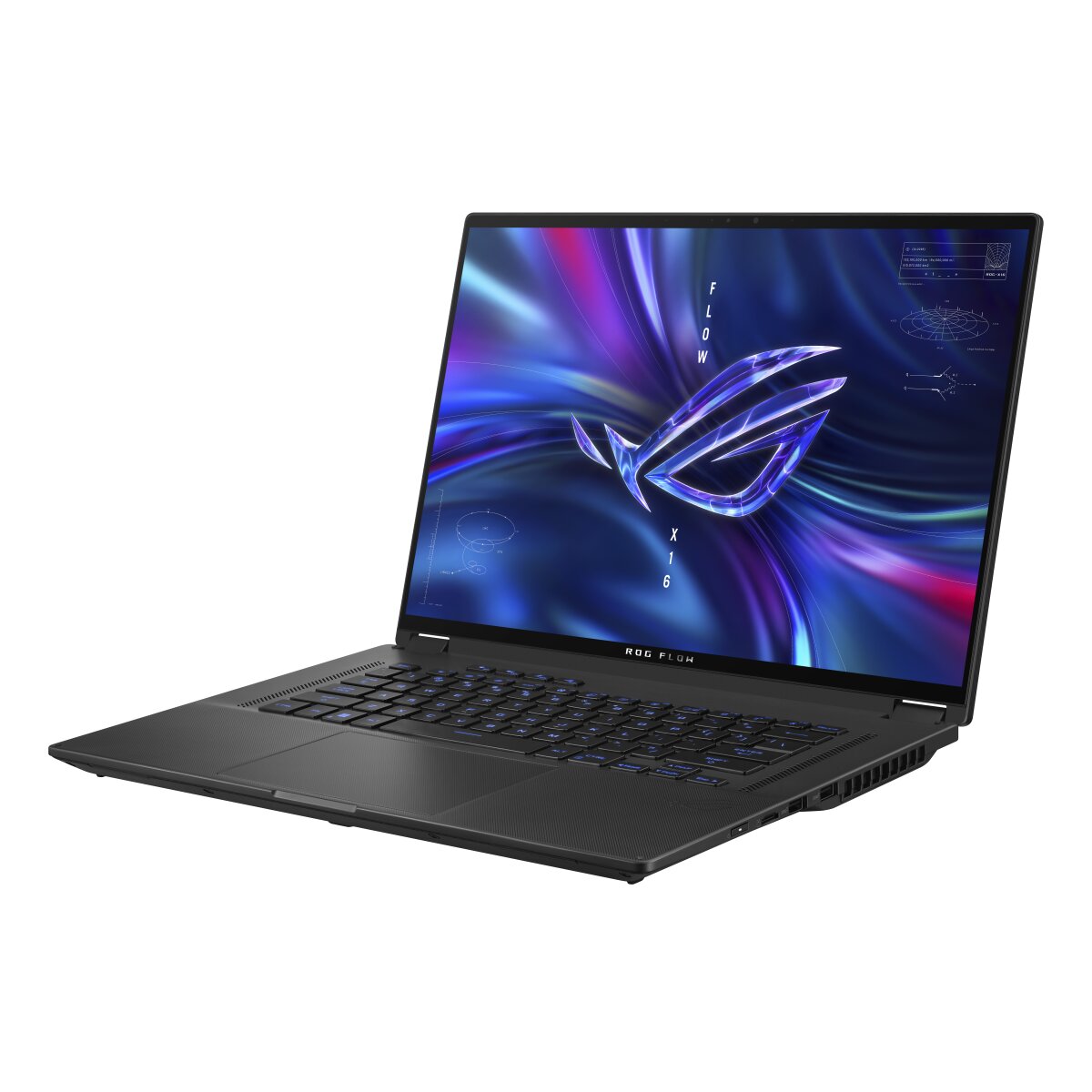
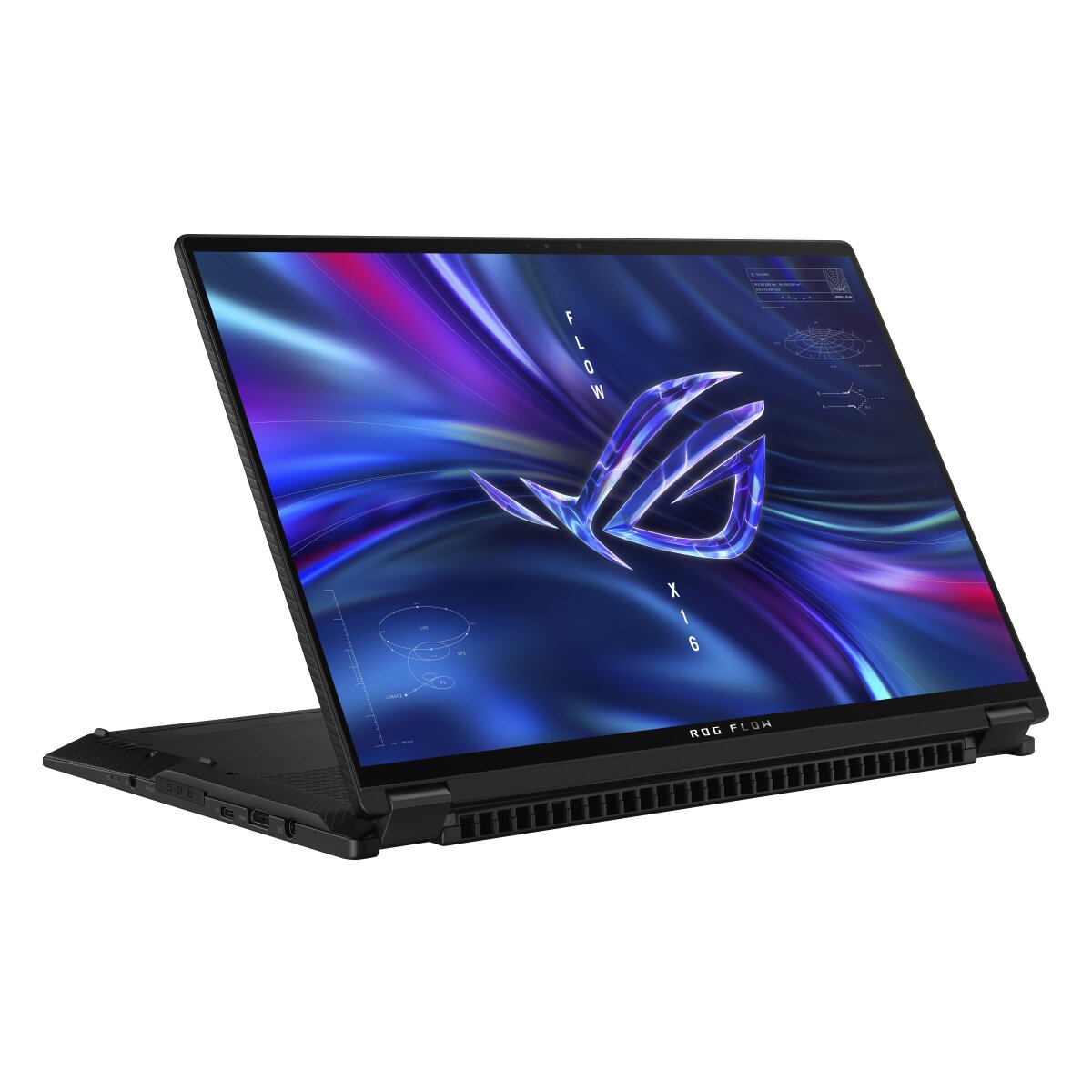
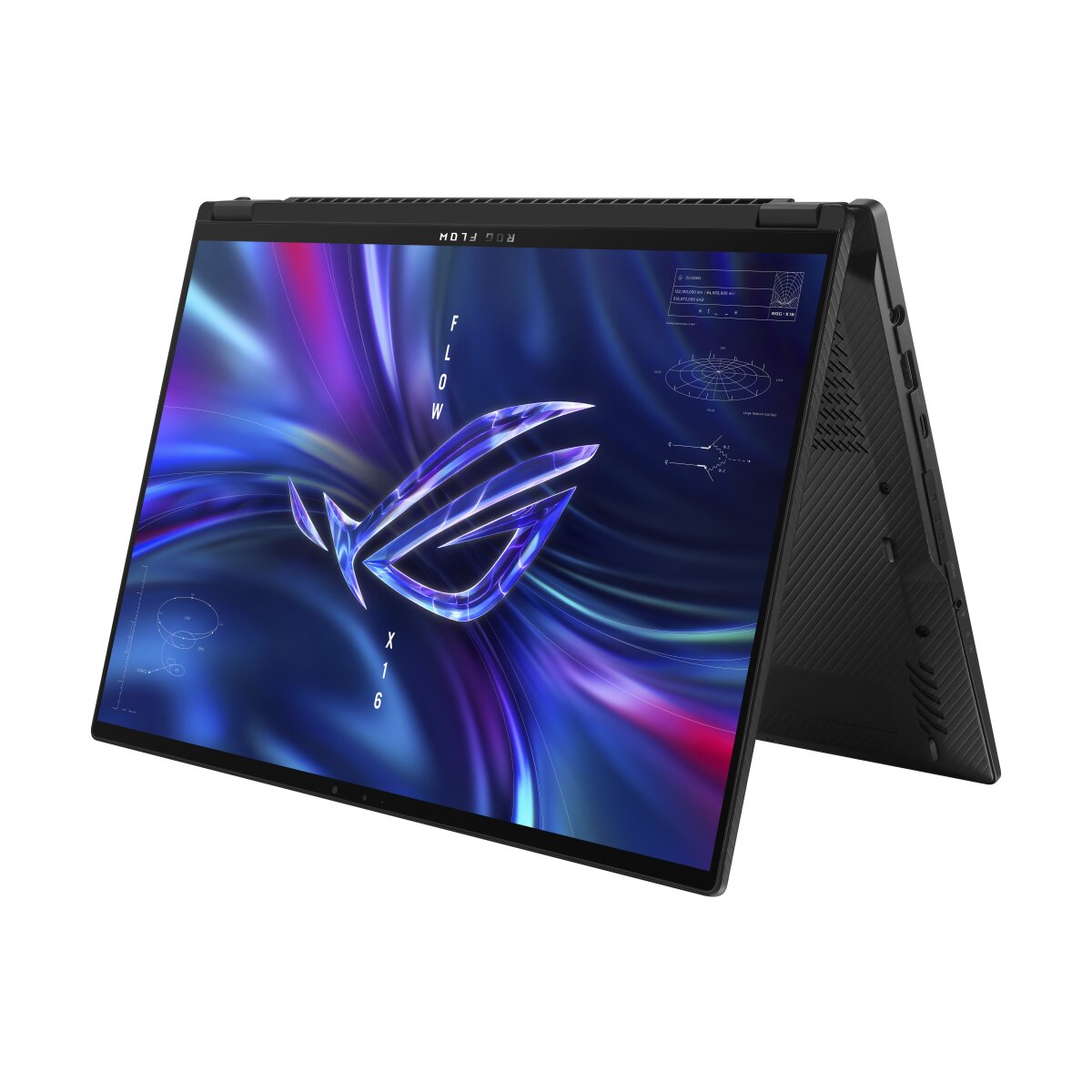
ASUS ROG Flow X16 GV601RW-M5054X laptop memory upgrade specifications include DDR5-SDRAM compatible modules in SO-DIMM form factor. The system features 2 memory slots supporting maximum RAM capacity of 64 GB total. Upgrade modules operate at 4800 MHz frequency. Compatible DDR5 SO-DIMM memory upgrades are available to expand the laptop's existing memory specifications and performance capacity.
Memory Upgrade Specifications
| Specification | Value |
|---|---|
| Memory slots | 2x SO-DIMM |
| Form factor | SO-DIMM |
| Memory type | DDR5-SDRAM |
| Frequency | 4800 MHz |
| Maximum RAM | 64 GB |
| Voltage | 1.1V |
| Number of pins | 262-pin |
| Interface | PC5 |
| PC Speed Rating | PC5-4800 (PC5-38400) |
| Bandwidth | 38.4 GB/s |
| Laptop Release date | 31 January 2022 |
Additional Notes
- The ASUS ROG GV601RW-M5054X operates with DDR5 memory at 4800 MHz, which establishes a performance ceiling for all storage-to-processor data transfers; memory upgrades beyond this frequency will downclock to 4800 MHz and provide no measurable benefit.
- SO-DIMM form factor limits upgrade capacity to laptop-grade modules only; desktop DDR5 UDIMM sticks cannot be physically inserted into the 2 available slots regardless of electrical compatibility.
- The 2-slot configuration means the maximum 64 GB capacity requires both slots to be populated with 32 GB modules; occupying only 1 slot leaves 32 GB as the practical ceiling and reduces dual-channel memory bandwidth by approximately 50 percent compared to symmetric configurations.
- SO-DIMM DDR5 modules rated above 4800 MHz exist in the market but will operate at the laptop's native 4800 MHz specification; purchasing premium-binned higher-frequency memory incurs unnecessary cost with no performance recovery.
- Warranty coverage for memory upgrades typically remains valid only when using modules from manufacturer-approved lists or brands with laptop-compatible specifications; third-party DDR5 SO-DIMM modules may void coverage if stability issues arise.
- Adding a second 32 GB module to a partially populated configuration will trigger BIOS initialization cycles on first boot; incomplete or interrupted transitions during this process can result in failed POST sequences requiring manual CMOS reset procedures.