ASUS ROG GV601RW-M5082 RAM upgrade specifications
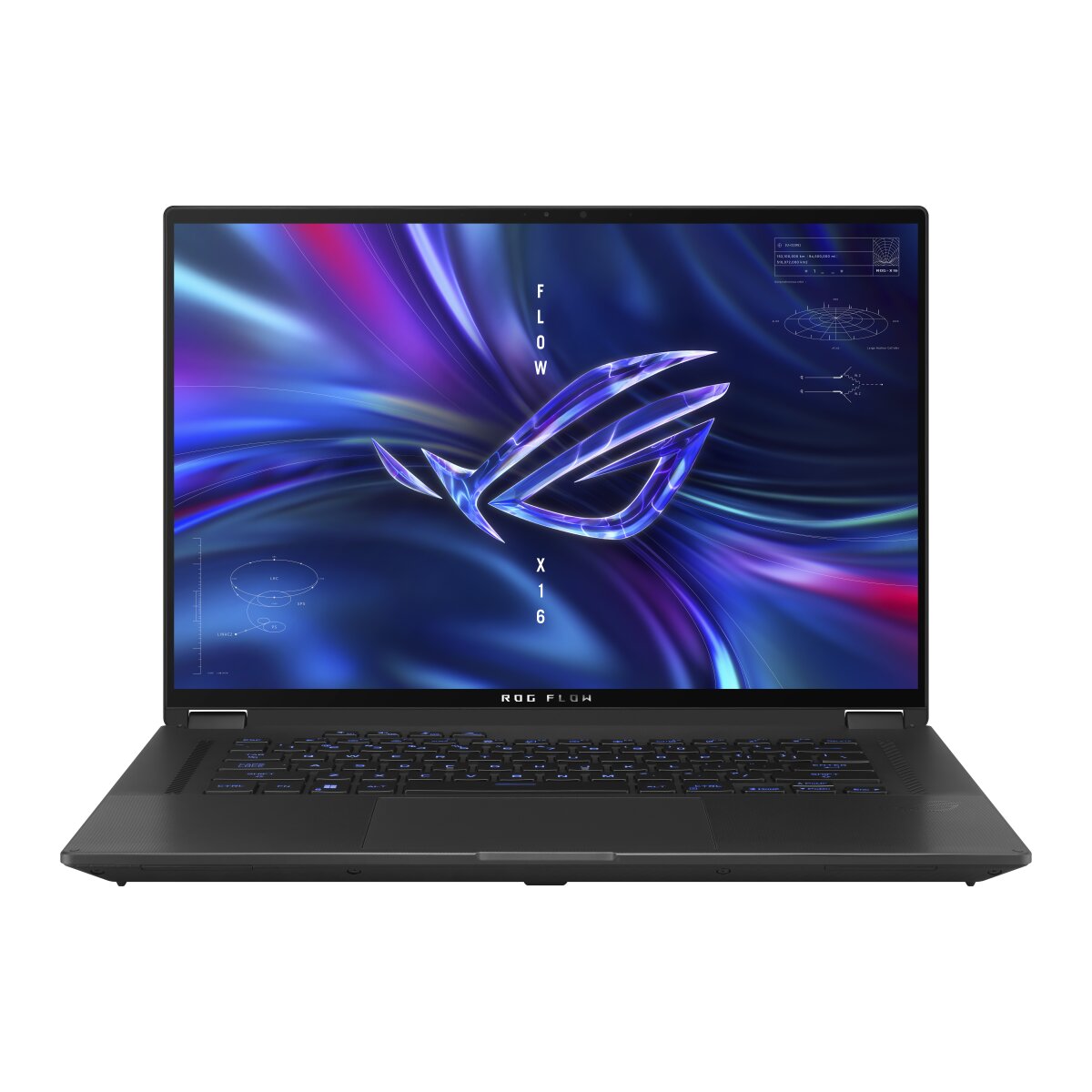


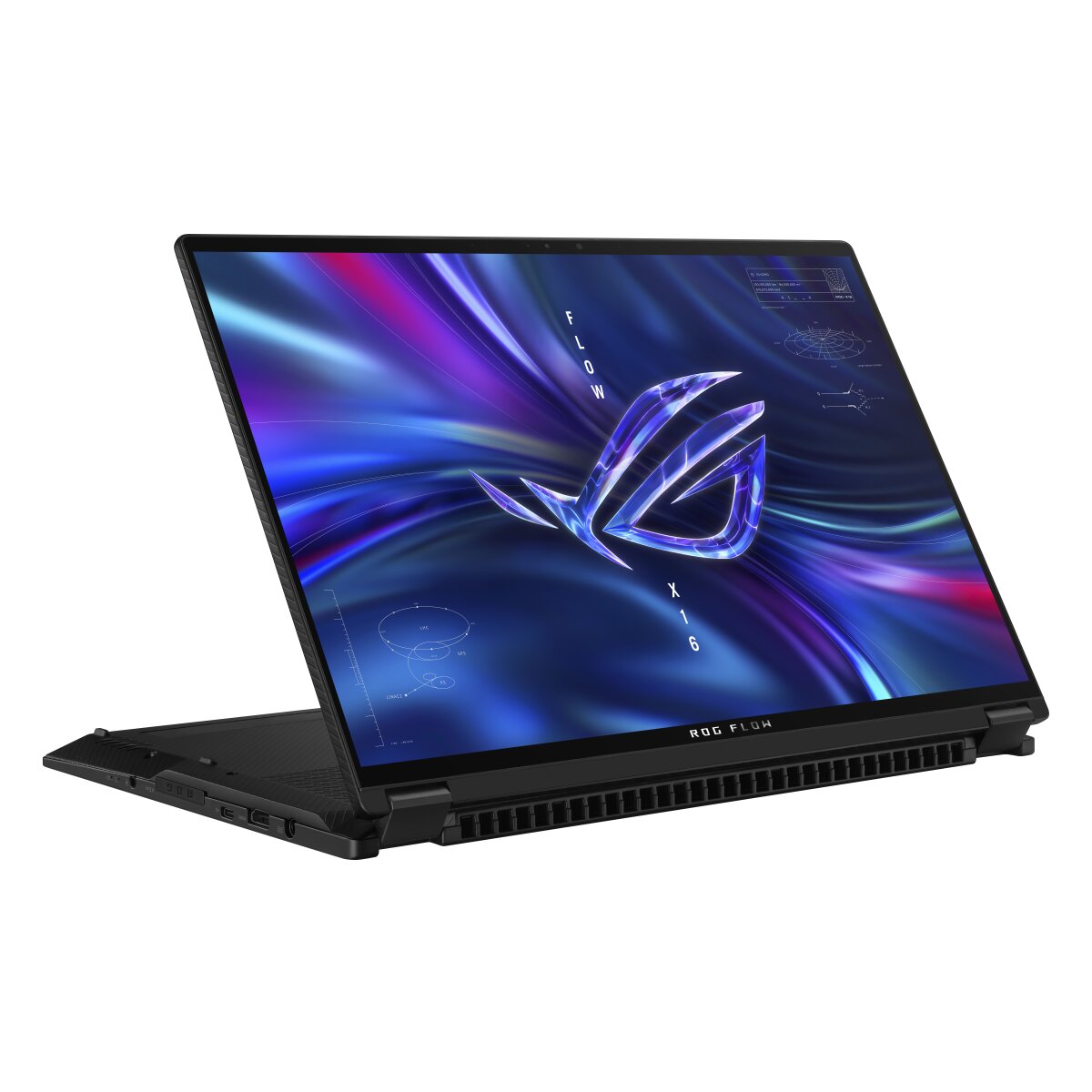

ASUS ROG Flow X16 GV601RW-M5082 laptop supports DDR5-SDRAM memory upgrade through 2x SO-DIMM slots. Maximum capacity specifications indicate 64 GB total RAM compatibility. Memory modules operate at 4800 MHz frequency. Upgrade configurations require SO-DIMM form factor components. Specifications provide technical parameters for compatible memory installation and expandable capacity on this specific laptop model.
Memory Upgrade Specifications
| Specification | Value |
|---|---|
| Memory slots | 2x SO-DIMM |
| Form factor | SO-DIMM |
| Memory type | DDR5-SDRAM |
| Frequency | 4800 MHz |
| Maximum RAM | 64 GB |
| Voltage | 1.1V |
| Number of pins | 262-pin |
| Interface | PC5 |
| PC Speed Rating | PC5-4800 (PC5-38400) |
| Bandwidth | 38.4 GB/s |
| Laptop Release date | 22 May 2022 |
Additional Notes
- The ASUS ROG GV601RW-M5082 contains 2 SO-DIMM slots with a collective ceiling of 64 GB, meaning single-module capacity must not exceed 32 GB per slot to reach maximum configuration.
- DDR5-4800 MHz operation requires compatible memory modules rated for JEDEC DDR5 standards; mixing modules with different XMP/DOCP profiles may force the system to run both modules at JEDEC baseline speeds, reducing effective bandwidth.
- SO-DIMM form factor restricts upgrade sourcing to laptop-grade memory modules; desktop DDR5 UDIMM modules are physically incompatible and will not seat in the available slots.
- Upgrading beyond the factory configuration voids coverage if performed outside of manufacturer-authorized service, as internal memory installation is classified as component-level modification on this model line.
- The memory controller on the host processor directly impacts latency and stability; DDR5 modules rated above 4800 MHz may require manual frequency adjustment or BIOS profile selection and carry no guarantee of stable operation.
- Dual-channel memory architecture depends on matching module populations; populating only 1 slot reduces effective memory bandwidth by 50 percent compared to 2-slot configuration, creating a performance penalty in bandwidth-sensitive workloads.