ASUS ROG GV601VI-NL016W RAM upgrade specifications
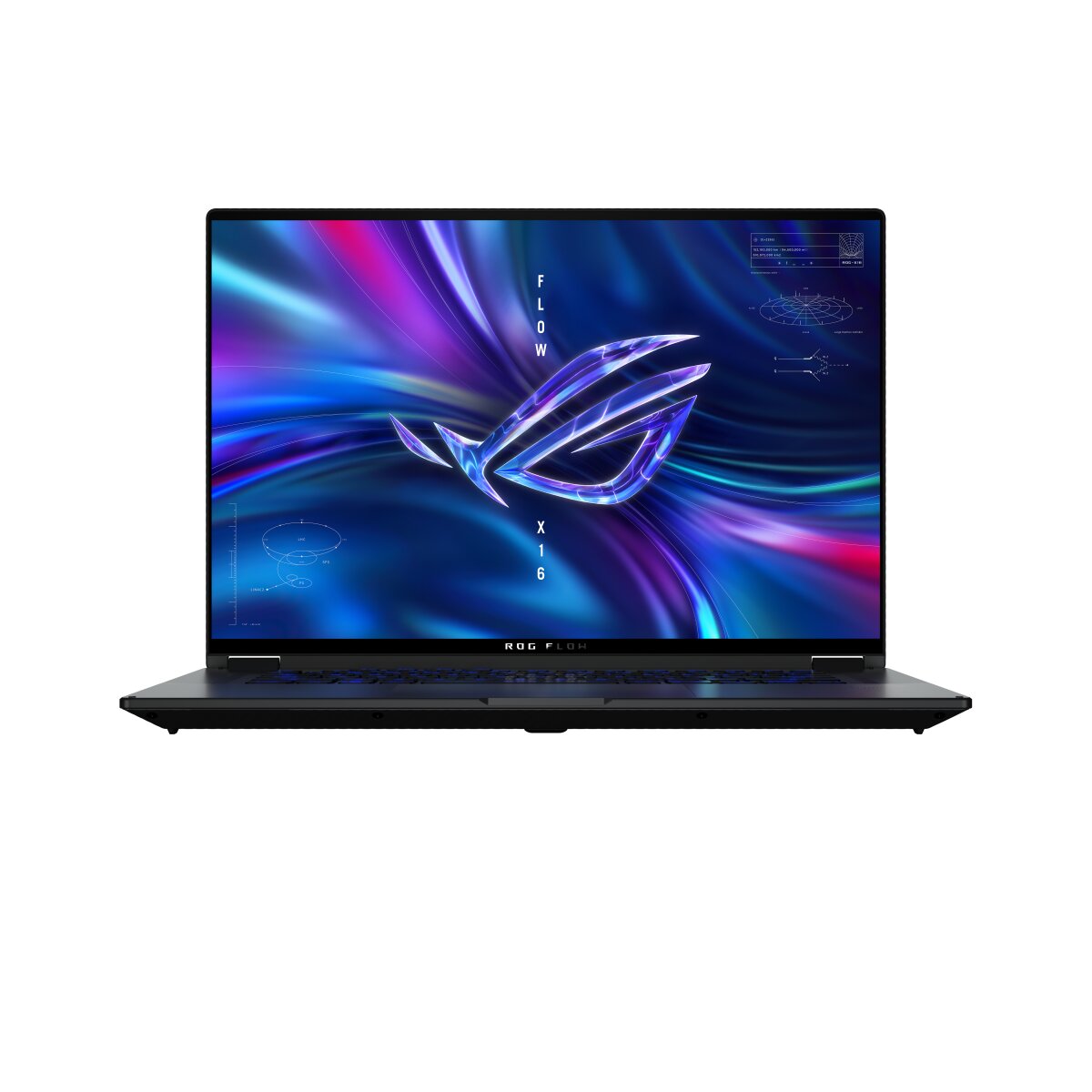
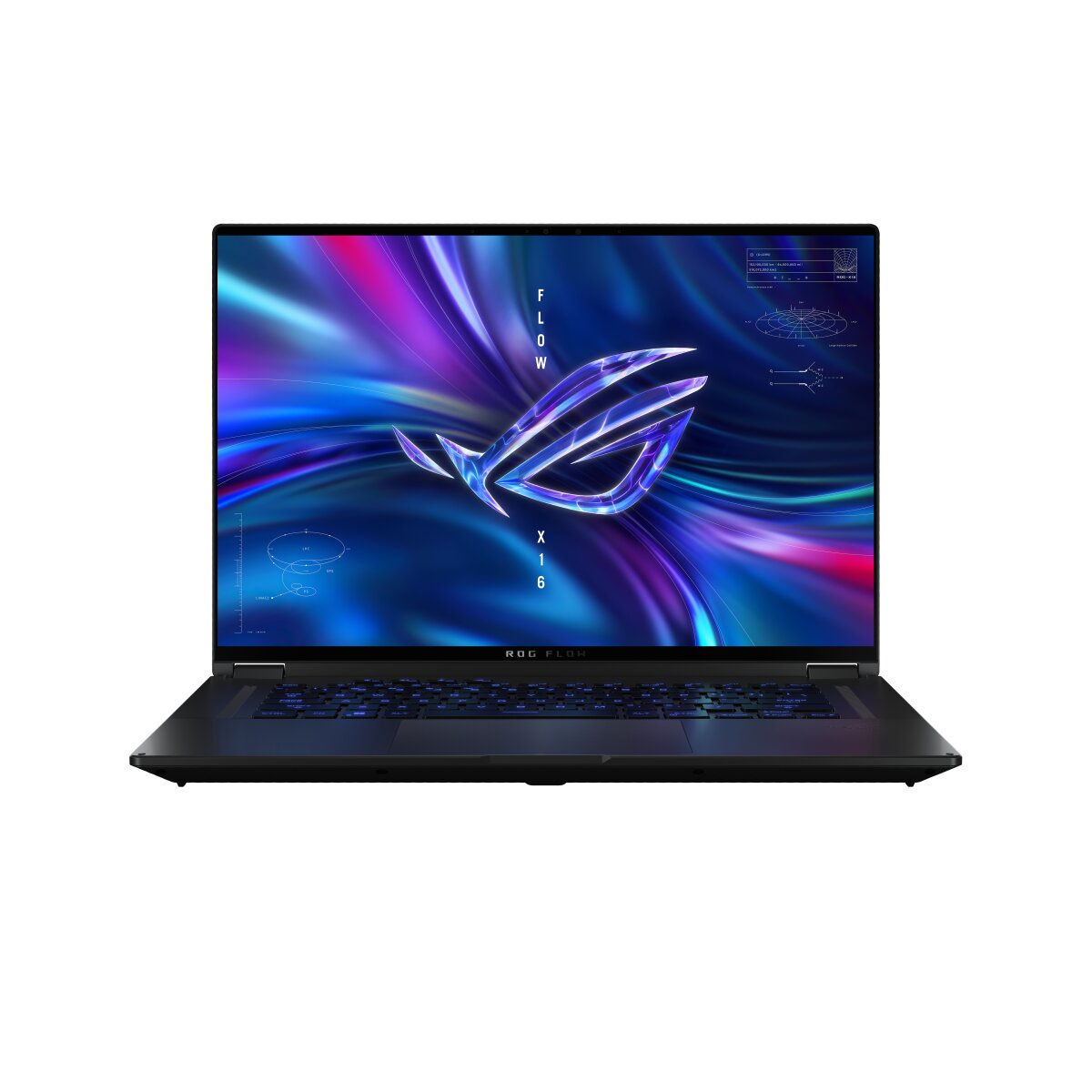



The ASUS ROG Flow X16 GV601VI-NL016W features DDR5-SDRAM memory with 2x SO-DIMM slots supporting maximum capacity of 64 GB. Memory upgrade specifications include DDR5 operating frequency of 4800 MHz. Compatibility requires DDR5 SO-DIMM modules conforming to standard laptop memory specifications. The upgrade slots accommodate two memory modules for enhanced system performance and multitasking capabilities.
Memory Upgrade Specifications
| Specification | Value |
|---|---|
| Memory slots | 2x SO-DIMM |
| Form factor | SO-DIMM |
| Memory type | DDR5-SDRAM |
| Frequency | 4800 MHz |
| Maximum RAM | 64 GB |
| Voltage | 1.1V |
| Number of pins | 262-pin |
| Interface | PC5 |
| PC Speed Rating | PC5-4800 (PC5-38400) |
| Bandwidth | 38.4 GB/s |
| Laptop Release date | 27 January 2023 |
Additional Notes
- The ASUS ROG GV601VI-NL016W uses soldered memory architecture typical of thin gaming laptops, meaning the RAM cannot be physically replaced or upgraded after purchase despite the specification listing suggesting modularity.
- DDR5 at 4800 MHz represents JEDEC baseline specification rather than performance-optimized speeds, which may limit bandwidth headroom in GPU-intensive workloads compared to DDR5-5200 or DDR5-5600 configurations.
- The 64 GB maximum capacity requires two 32 GB SO-DIMM modules, which remain significantly more expensive per gigabyte than 16 GB modules and may have restricted availability from third-party manufacturers.
- SO-DIMM DDR5 modules operate at 1.1V standard voltage, eliminating compatibility concerns related to voltage mismatch but preventing manual voltage tuning for stability or performance optimization.
- The dual-channel configuration demands matched pairs for optimal performance, meaning single-module upgrades will force asymmetric channel operation and reduce memory subsystem efficiency.
- DDR5's on-die ECC functionality operates independently of system-level error correction, providing silent data corruption protection without BIOS configuration but without logging or reporting capabilities.
- Opening the chassis to access memory slots typically voids manufacturer warranty seals on ROG-series gaming laptops, creating a trade-off between upgrade flexibility and warranty preservation.
- The 4800 MHz clock specification represents effective data rate rather than actual frequency, as DDR5 physically operates at 2400 MHz base clock with quad data rate transfer architecture.
- Memory compatibility depends on SPD profile matching with motherboard firmware, which may reject modules from certain manufacturers even when specifications appear identical to validated parts.
- Thermal constraints in compact laptop chassis can trigger DDR5 thermal throttling above 85°C junction temperature, reducing effective speeds below rated specifications during sustained workloads.