ASUS ROG GV601VI-NL016X RAM upgrade specifications
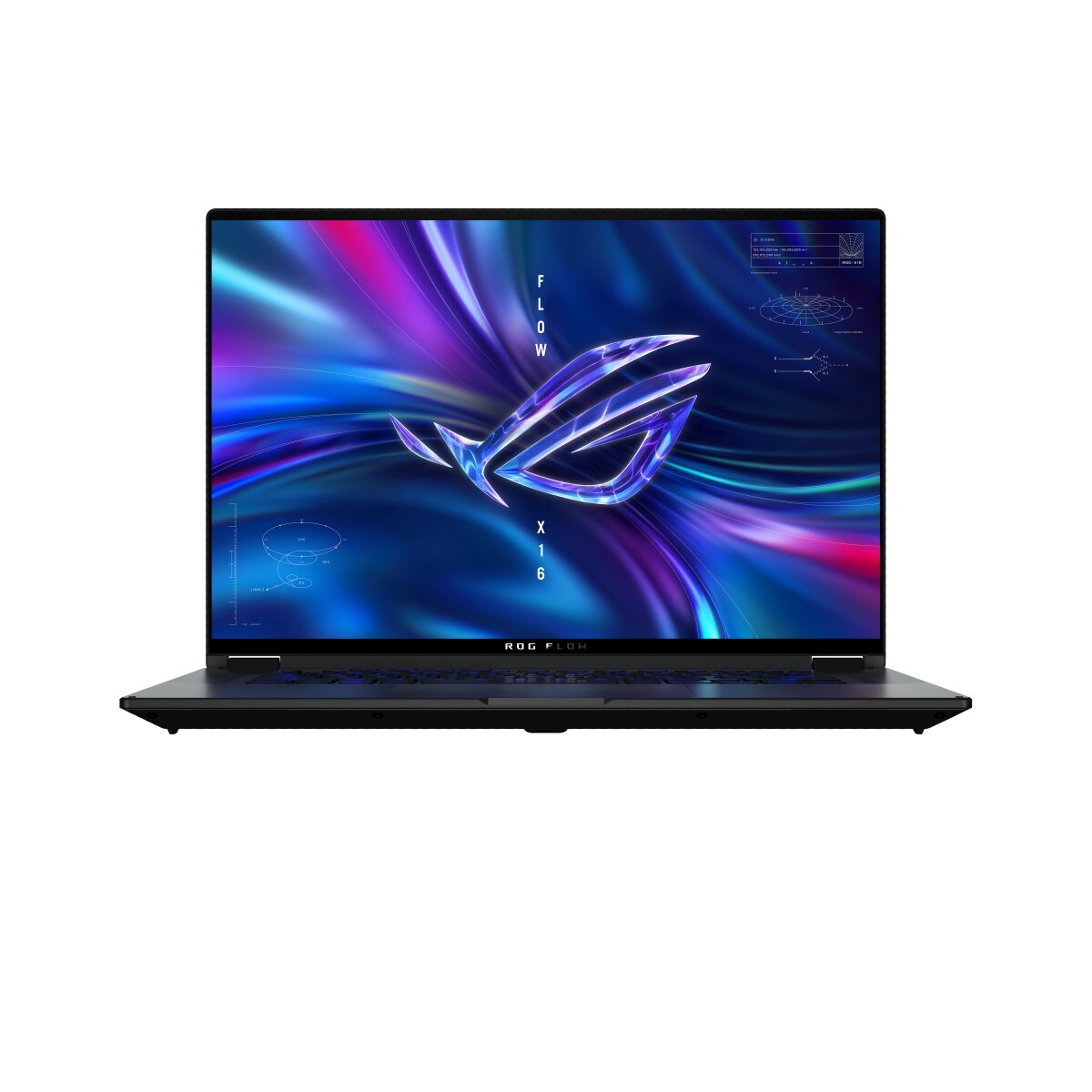
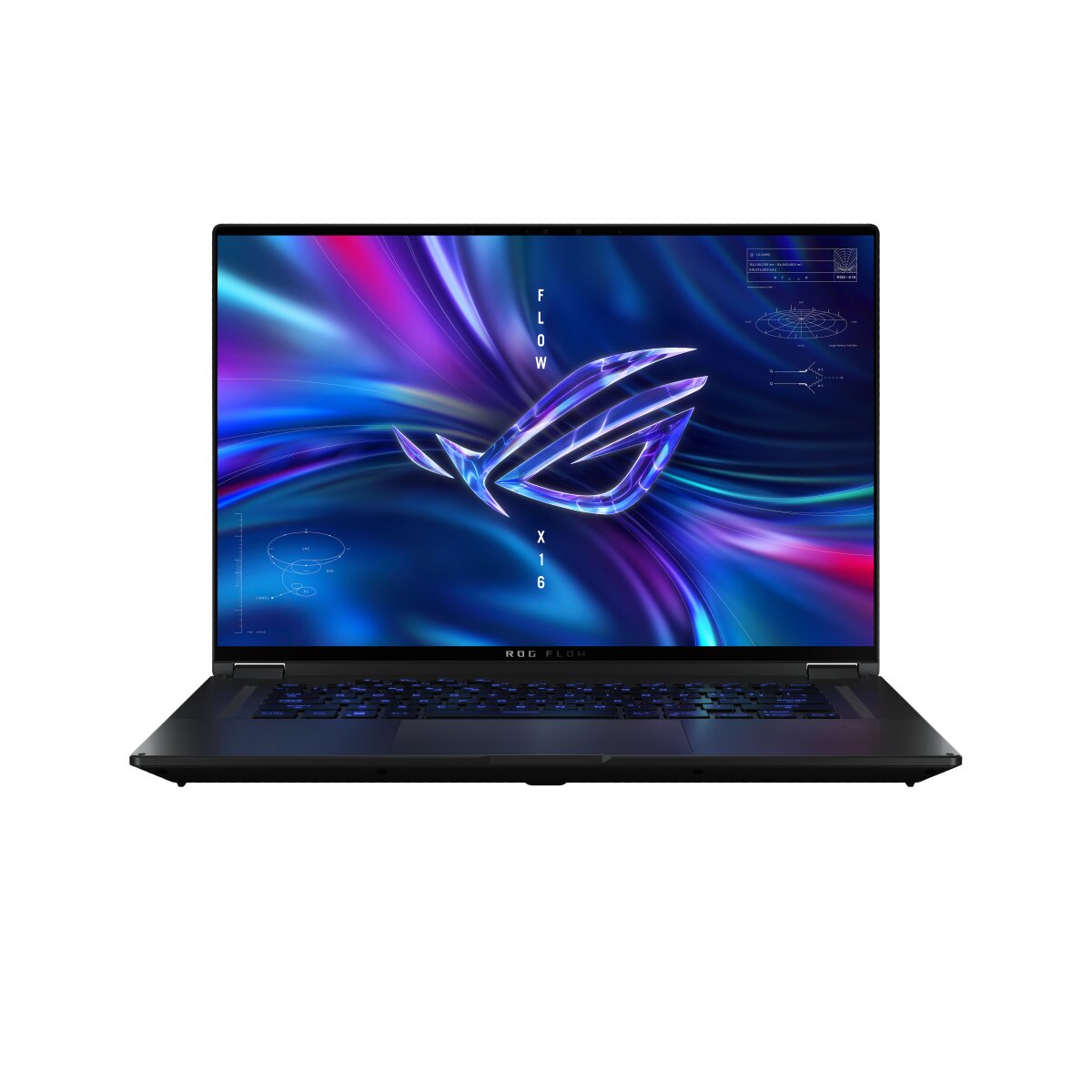



The ASUS ROG Flow X16 GV601VI-NL016X features DDR5-SDRAM memory upgradeable through two SO-DIMM slots. Maximum RAM capacity reaches 64 GB, with compatible modules operating at 4800 MHz frequencies. Memory upgrade specifications support standard SO-DIMM form factor components, allowing users to expand system memory by replacing or adding DDR5 modules to the available slots. Complete memory specifications outline upgrade compatibility and maximum supported capacity for this laptop model.
Memory Upgrade Specifications
| Specification | Value |
|---|---|
| Memory slots | 2x SO-DIMM |
| Form factor | SO-DIMM |
| Memory type | DDR5-SDRAM |
| Frequency | 4800 MHz |
| Maximum RAM | 64 GB |
| Voltage | 1.1V |
| Number of pins | 262-pin |
| Interface | PC5 |
| PC Speed Rating | PC5-4800 (PC5-38400) |
| Bandwidth | 38.4 GB/s |
Additional Notes
- Dual channel mode is only preserved when matching module capacities across both available slots to ensure synchronous operation.
- The absence of soldered memory on the ASUS ROG GV601VI-NL016X motherboard allows for a full hardware lifecycle extension through the replacement of both factory modules.
- Utilizing high density 32 GB modules is the exclusive path to reaching the maximum supported architecture limit for virtualization and heavy rendering workloads.
- Installation of modules with speeds exceeding 4800 MHz will result in automatic downclocking to the processor bus limit to maintain system stability and UEFI compatibility.
- Physical access to the SO-DIMM slots requires the removal of the bottom chassis panel and likely involves navigating internal thermal shielding or ribbon cables.
- Mixing modules with different CAS latencies forces the integrated memory controller to default to the slowest timing profile available to prevent boot failure.
- The transition to the DDR5 standard necessitates the use of modules with on-die Power Management Integrated Circuits which manage voltage regulation independently of the motherboard.
- Maximum capacity upgrades may require a firmware update to ensure the BIOS correctly recognizes and initializes high density memory ranks during the POST process.