ASUS ROG GV601VI-NL017W RAM upgrade specifications




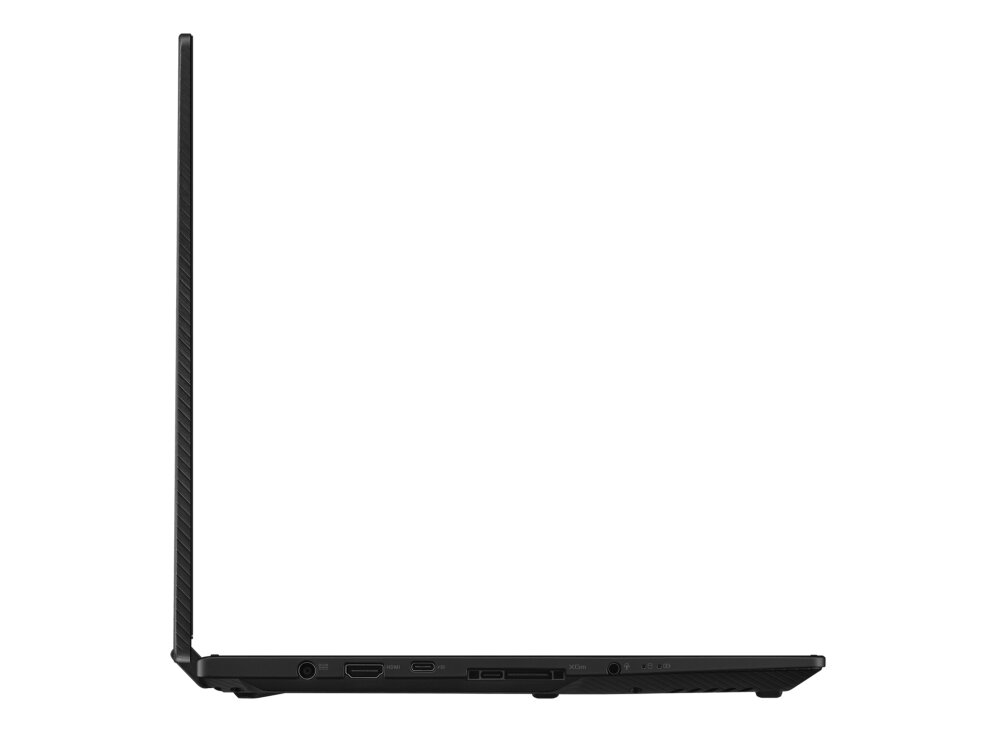
ASUS ROG Flow X16 GV601VI-NL017W laptop features DDR5-SDRAM memory upgrade capability with two SO-DIMM slots supporting maximum capacity of 64 GB. Compatible memory modules operate at 4800 MHz frequency. Specifications indicate memory upgrade slots accommodate SO-DIMM form factor modules, enabling RAM expansion from standard configurations up to the maximum supported capacity. The GV601VI-NL017W supports DDR5 memory technology for enhanced performance specifications compared to previous generation memory types.
Memory Upgrade Specifications
| Specification | Value |
|---|---|
| Memory slots | 2x SO-DIMM |
| Form factor | SO-DIMM |
| Memory type | DDR5-SDRAM |
| Frequency | 4800 MHz |
| Maximum RAM | 64 GB |
| Voltage | 1.1V |
| Number of pins | 262-pin |
| Interface | PC5 |
| PC Speed Rating | PC5-4800 (PC5-38400) |
| Bandwidth | 38.4 GB/s |
| Laptop Release date | 27 February 2023 |
Additional Notes
- The ASUS ROG GV601VI-NL017W implements DDR5 technology, which operates at higher voltages than DDR4 and requires motherboard support for the specific power delivery standards introduced with this generation.
- DDR5-4800 represents the JEDEC baseline specification for this memory type, leaving substantial headroom for performance gains through modules rated at 5200 MHz, 5600 MHz, or higher if the chipset supports XMP 3.0 profiles.
- The 64 GB ceiling translates to a maximum 32 GB per module configuration, requiring density compatibility verification with the memory controller as not all chipsets support single-rank or dual-rank 32 GB SO-DIMMs equally.
- SO-DIMM packaging in a 2-slot configuration limits future expansion flexibility since reaching the maximum capacity requires replacing both modules rather than adding to empty slots.
- DDR5's dual-channel architecture per module means this 2-slot system actually presents 4 independent channels to the CPU, potentially improving bandwidth for memory-intensive workloads compared to DDR4 implementations.
- Mixing modules with different speeds will force all memory to operate at the lowest common frequency, negating any performance advantage from higher-rated DIMMs.
- On-die ECC functionality in DDR5 operates transparently at the DRAM level but differs from traditional server-grade ECC, providing error correction without exposing status to the operating system.
- Thermal considerations become more critical with DDR5 as higher frequencies and densities generate increased heat output, particularly relevant in the confined chassis typical of laptops with this form factor.
- Module height restrictions in SO-DIMM installations may exclude aftermarket memory with oversized heat spreaders, necessitating verification of physical clearances before purchase.
- Warranty preservation typically requires using modules that meet or exceed the original specifications without voltage modifications, as over-specification or undervolting can trigger support claim denials.