ASUS ROG GV601VI-NL034X RAM upgrade specifications
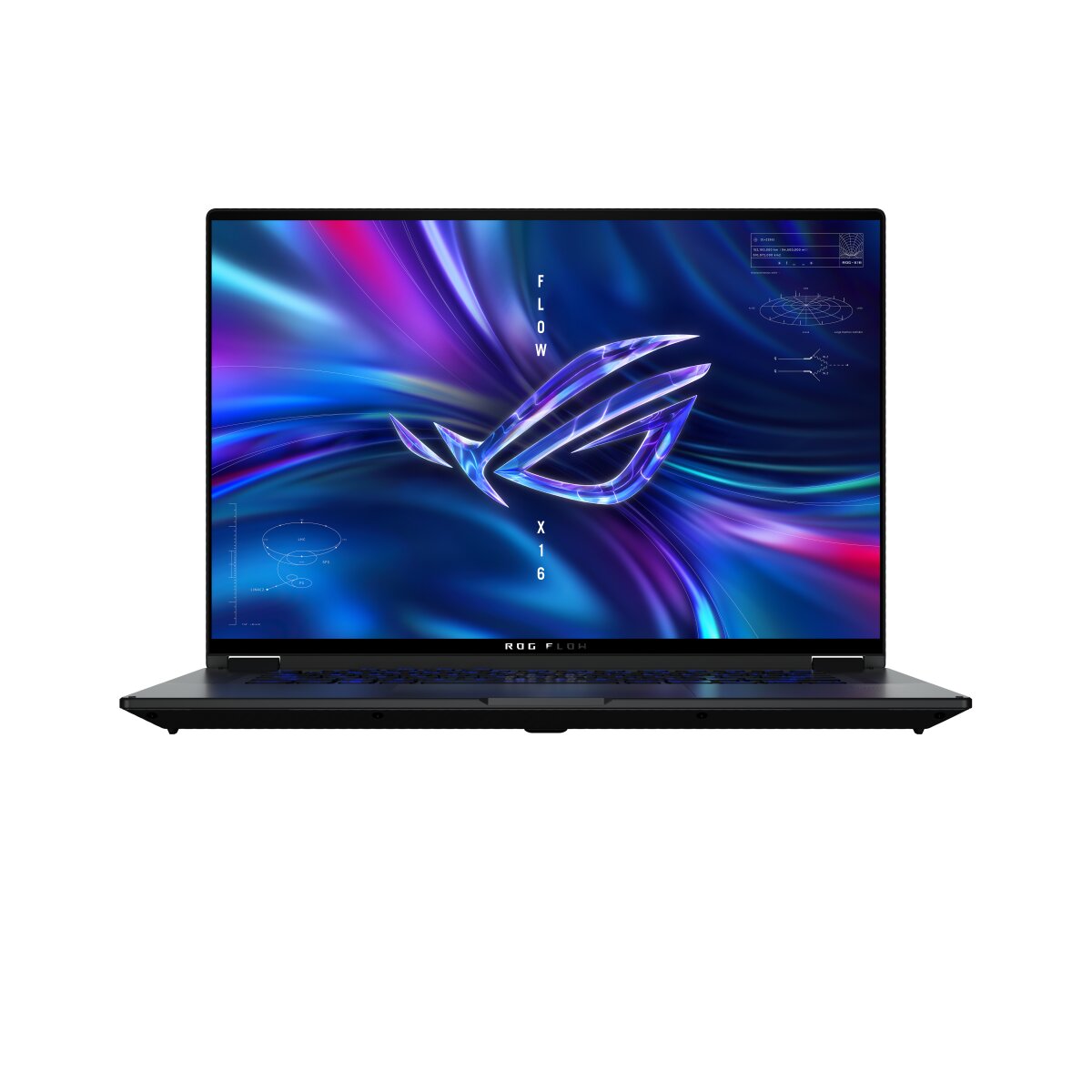
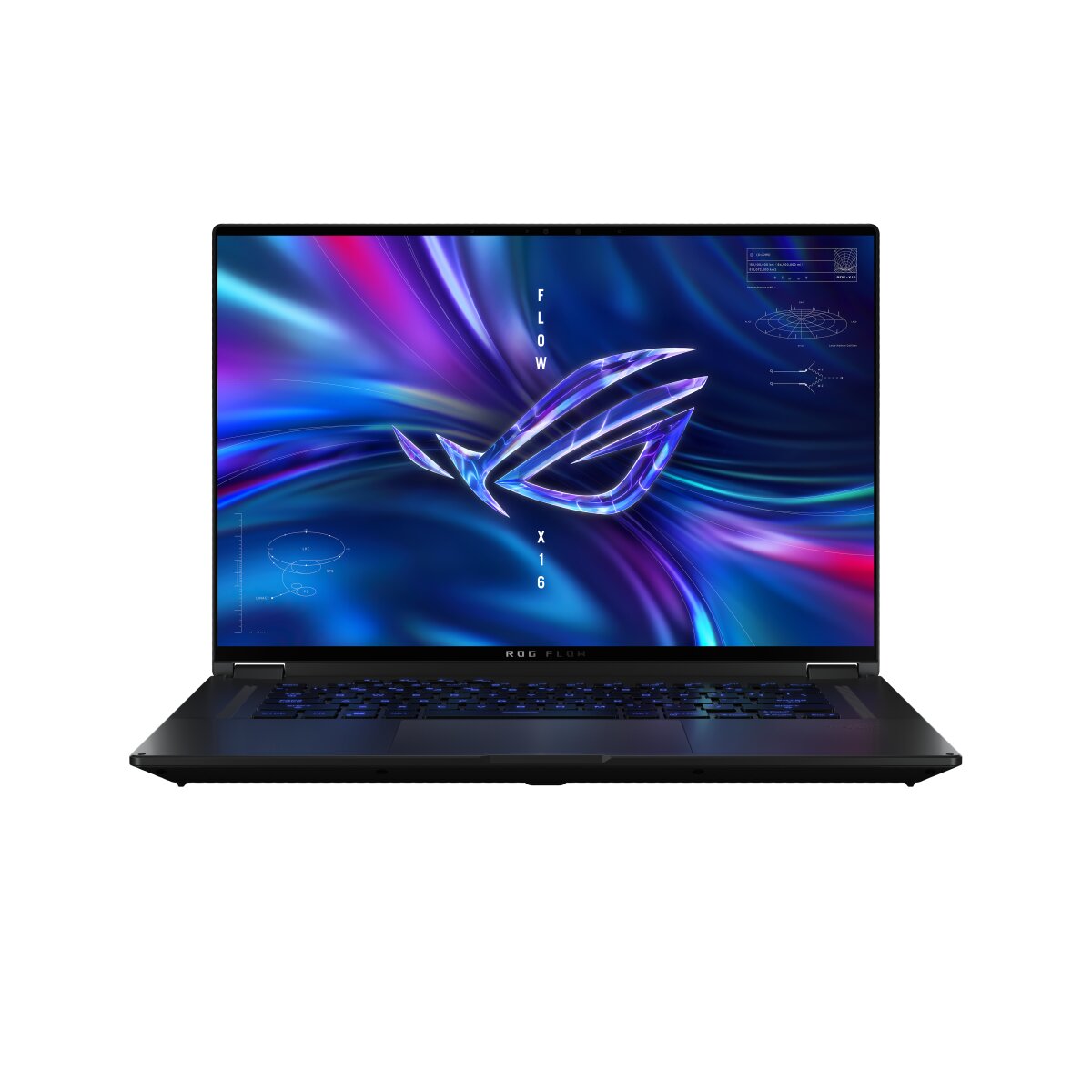



ASUS ROG Flow X16 GV601VI-NL034X laptop features DDR5-SDRAM memory upgrade capability with 2 SO-DIMM slots supporting maximum capacity of 64 GB RAM. Compatible memory modules operate at 4800 MHz frequency specifications. The portable workstation accommodates DDR5 SO-DIMM form factor upgrades, enabling users to expand system memory from factory configurations to the maximum supported capacity of 64 GB total memory allocation.
Memory Upgrade Specifications
| Specification | Value |
|---|---|
| Memory slots | 2x SO-DIMM |
| Form factor | SO-DIMM |
| Memory type | DDR5-SDRAM |
| Frequency | 4800 MHz |
| Maximum RAM | 64 GB |
| Voltage | 1.1V |
| Number of pins | 262-pin |
| Interface | PC5 |
| PC Speed Rating | PC5-4800 (PC5-38400) |
| Bandwidth | 38.4 GB/s |
| Laptop Release date | 19 March 2023 |
Additional Notes
- The ASUS ROG GV601VI-NL034X supports dual-channel memory architecture through its 2 SO-DIMM configuration, enabling up to 96 GB/s theoretical bandwidth when both slots operate simultaneously at 4800 MHz.
- DDR5 modules require 1.1V operating voltage compared to DDR4's 1.2V, reducing power consumption but limiting backward compatibility with older DDR4 systems.
- The 64 GB maximum capacity constraint indicates chipset limitations rather than physical slot restrictions, meaning individual 32 GB modules represent the highest supported density per slot.
- Mixing modules with different speeds will force all installed memory to operate at the lowest common frequency, potentially underutilizing 4800 MHz capable modules if paired with slower alternatives.
- SO-DIMM form factor requires modules approximately 67.6 mm in length, substantially shorter than standard desktop DIMM modules which measure 133.35 mm.
- DDR5's on-die ECC functionality operates independently of system-level ECC support, providing error correction at the DRAM chip level without requiring registered modules.
- Accessing memory slots in thin gaming laptops typically requires complete bottom panel removal, voiding certain warranty protections depending on regional consumer protection regulations.
- The 4800 MHz specification represents JEDEC standard speed for DDR5, while XMP/EXPO overclocked modules at higher frequencies may not achieve advertised speeds due to manufacturer-imposed limitations.
- Single-channel operation with one populated slot reduces memory bandwidth by approximately 50%, creating performance bottlenecks in graphics-intensive applications that rely on integrated or discrete GPU memory sharing.
- DDR5 SO-DIMM modules feature 262 pins compared to DDR4's 260-pin configuration, making physical installation of incompatible generation modules impossible due to notch repositioning.
- Thermal considerations become critical above 32 GB total capacity, as higher-density modules generate increased heat in confined laptop chassis without dedicated memory cooling solutions.