ASUS ROG GV601VV-NF015X RAM upgrade specifications
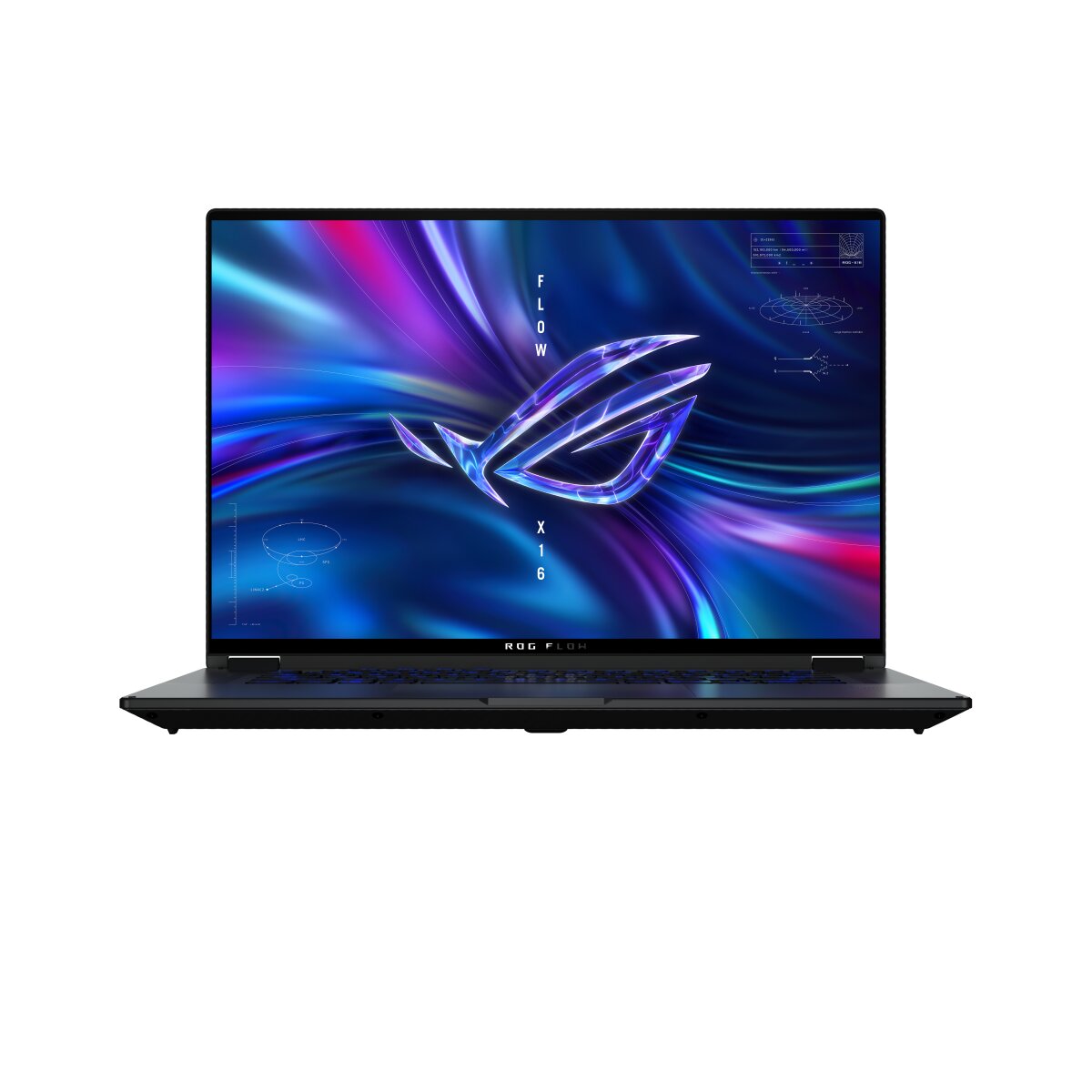
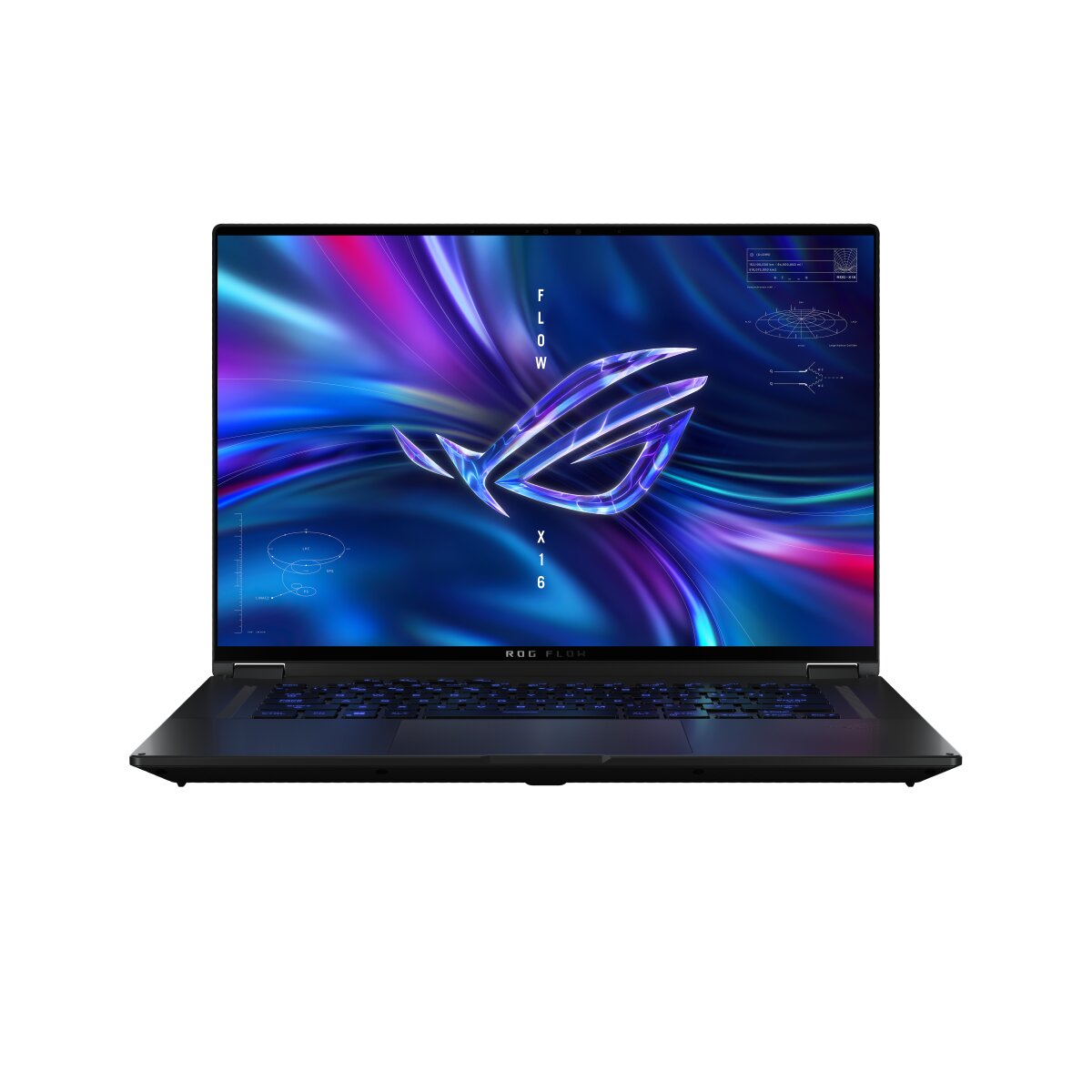
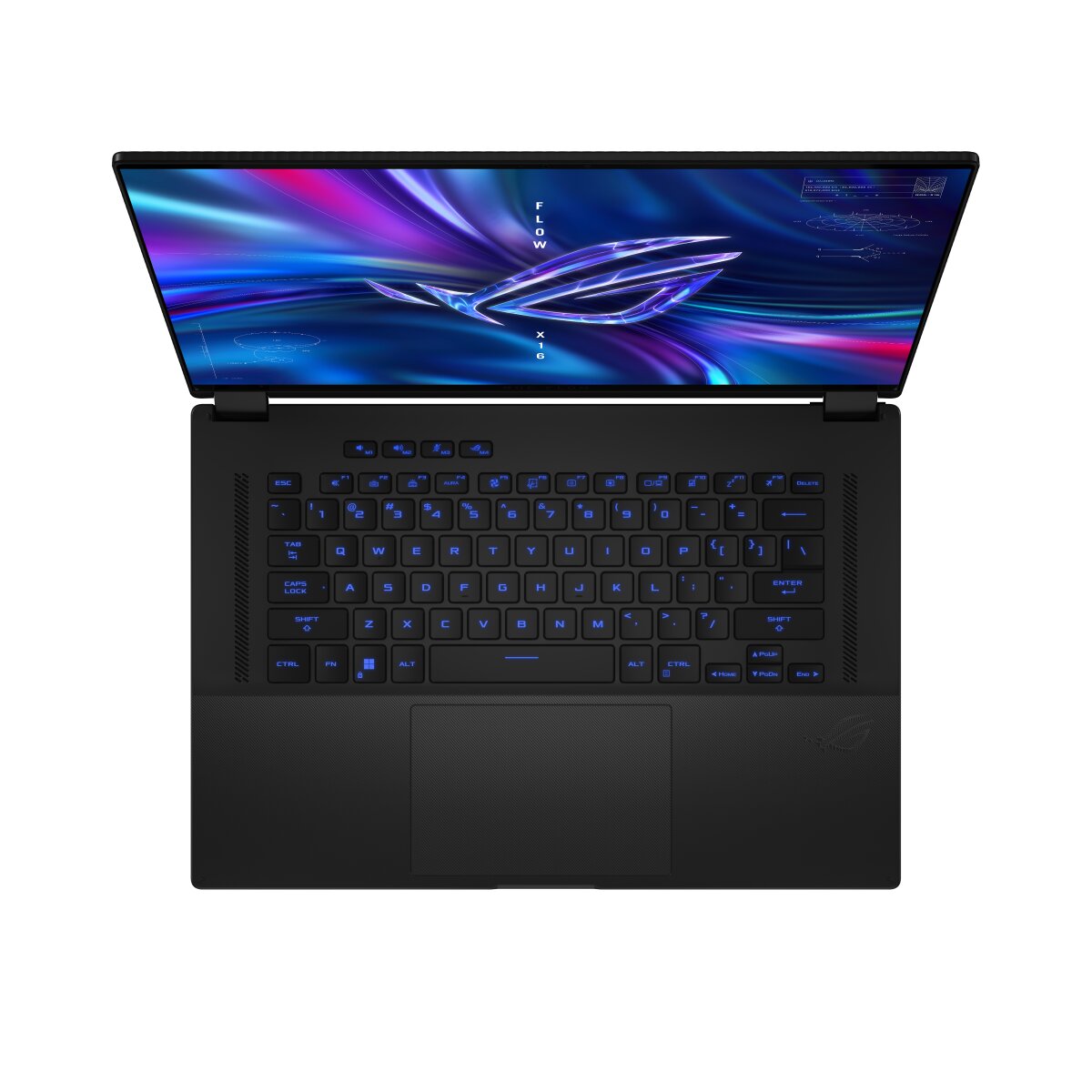


ASUS ROG Flow X16 GV601VV-NF015X laptop features DDR5-SDRAM memory upgrade capacity. Compatible memory specifications include 2x SO-DIMM slots supporting maximum RAM capacity of 64 GB total. Memory upgrades operate at 4800 MHz frequency with SO-DIMM form factor. Upgrade slots accommodate DDR5 modules for enhanced performance and multitasking capabilities on this gaming laptop model.
Memory Upgrade Specifications
| Specification | Value |
|---|---|
| Memory slots | 2x SO-DIMM |
| Form factor | SO-DIMM |
| Memory type | DDR5-SDRAM |
| Frequency | 4800 MHz |
| Maximum RAM | 64 GB |
| Voltage | 1.1V |
| Number of pins | 262-pin |
| Interface | PC5 |
| PC Speed Rating | PC5-4800 (PC5-38400) |
| Bandwidth | 38.4 GB/s |
| Laptop Release date | 19 March 2023 |
Additional Notes
- The SO-DIMM form factor restricts module thickness to 30mm, requiring verification of heat spreader height before purchasing third-party RAM to prevent chassis interference.
- DDR5 modules operate at 1.1V compared to DDR4's 1.2V, reducing thermal output but requiring compatible voltage regulation circuitry that prevents backward compatibility with older generation memory.
- The 64 GB ceiling translates to a maximum configuration of 2x32GB modules, as exceeding per-slot density limits will cause POST failure regardless of total capacity.
- DDR5-4800 represents JEDEC baseline speed rather than performance-tier memory, leaving headroom for faster modules if the ASUS ROG GV601VV-NF015X BIOS supports XMP 3.0 or EXPO profiles.
- Dual SO-DIMM architecture on this system enables dual-channel operation only when both slots contain matched capacity modules, as asymmetric configurations force single-channel mode and halve memory bandwidth.
- The 4800 MHz specification indicates first-generation DDR5 controller implementation, which may exhibit higher latency (CL40-CL46) compared to mature DDR4 kits despite superior bandwidth.
- On-die ECC present in DDR5 architecture improves data integrity without BIOS configuration, unlike traditional ECC that requires specific motherboard support and disables in consumer platforms.
- Soldered memory implementations are absent given the presence of accessible SO-DIMM slots, permitting warranty-safe upgrades without board-level rework or adhesive removal.
- Mixed-density configurations such as 16GB plus 32GB modules will function but force both channels to operate at the lower rank interleaving efficiency, degrading performance in memory-intensive workloads.
- The 4800 MHz frequency operates at effective transfer rate rather than actual clock speed, as DDR (Double Data Rate) technology processes data on both rising and falling clock edges from a 2400 MHz base clock.