ASUS ROG GV601VV-NF015W RAM upgrade specifications
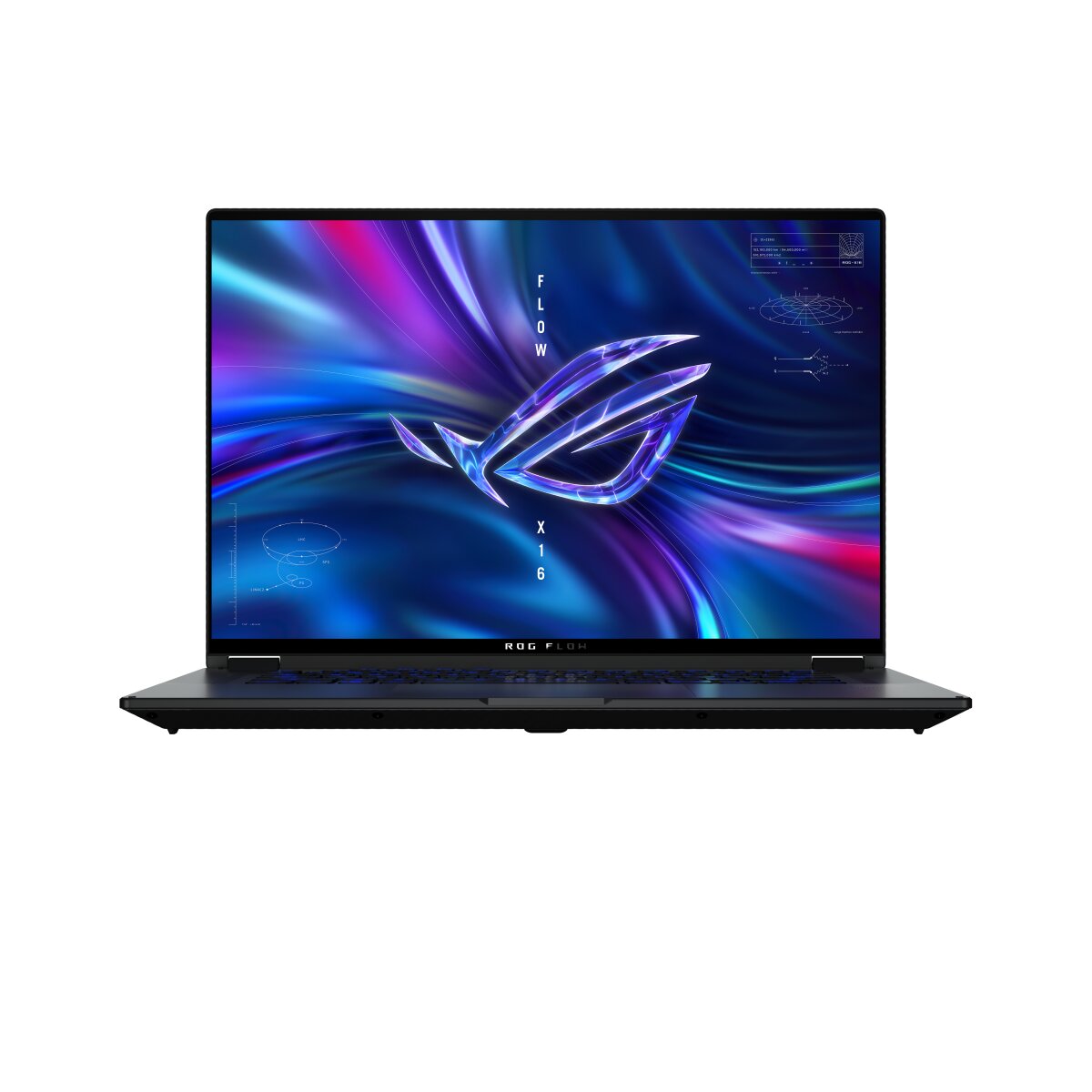
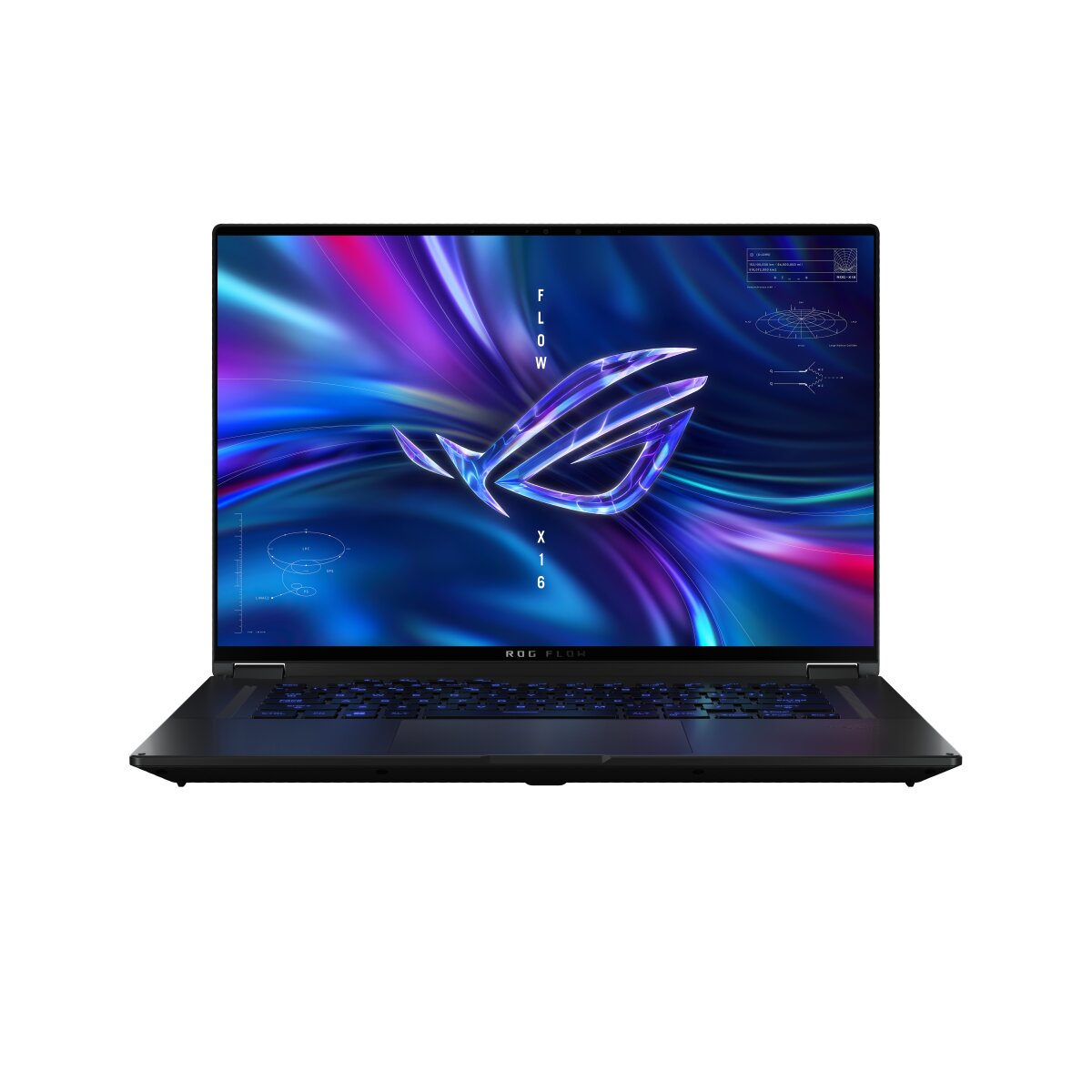
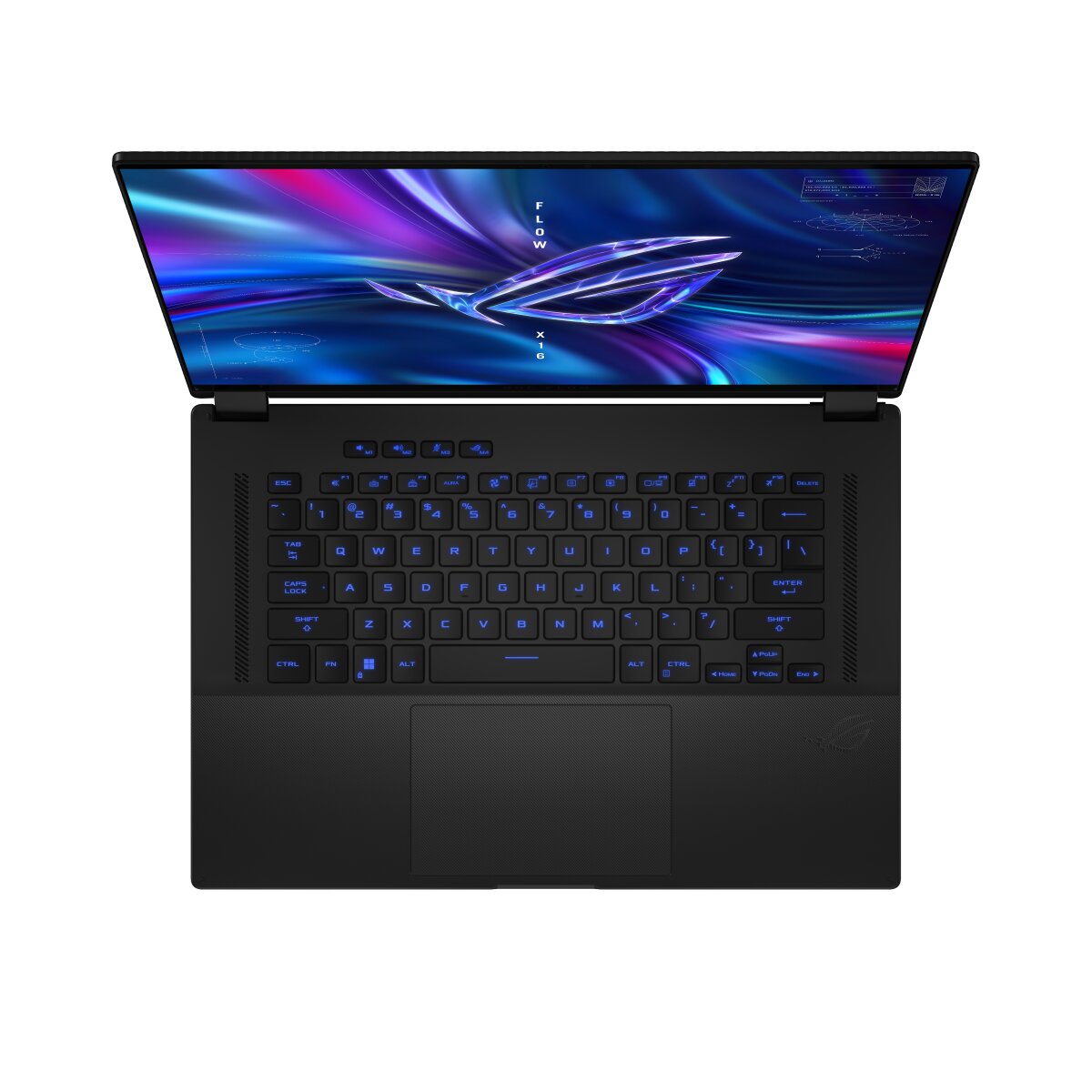
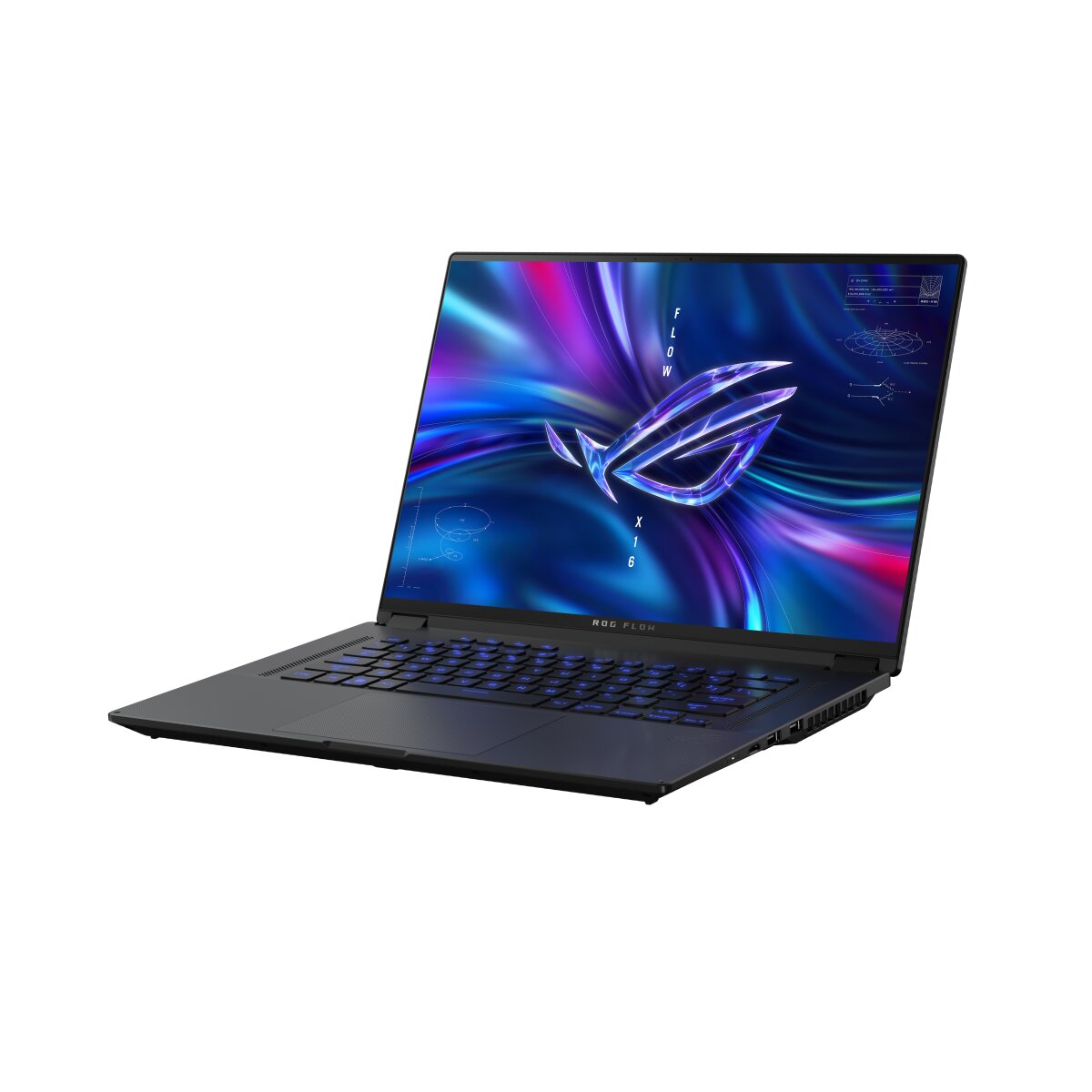
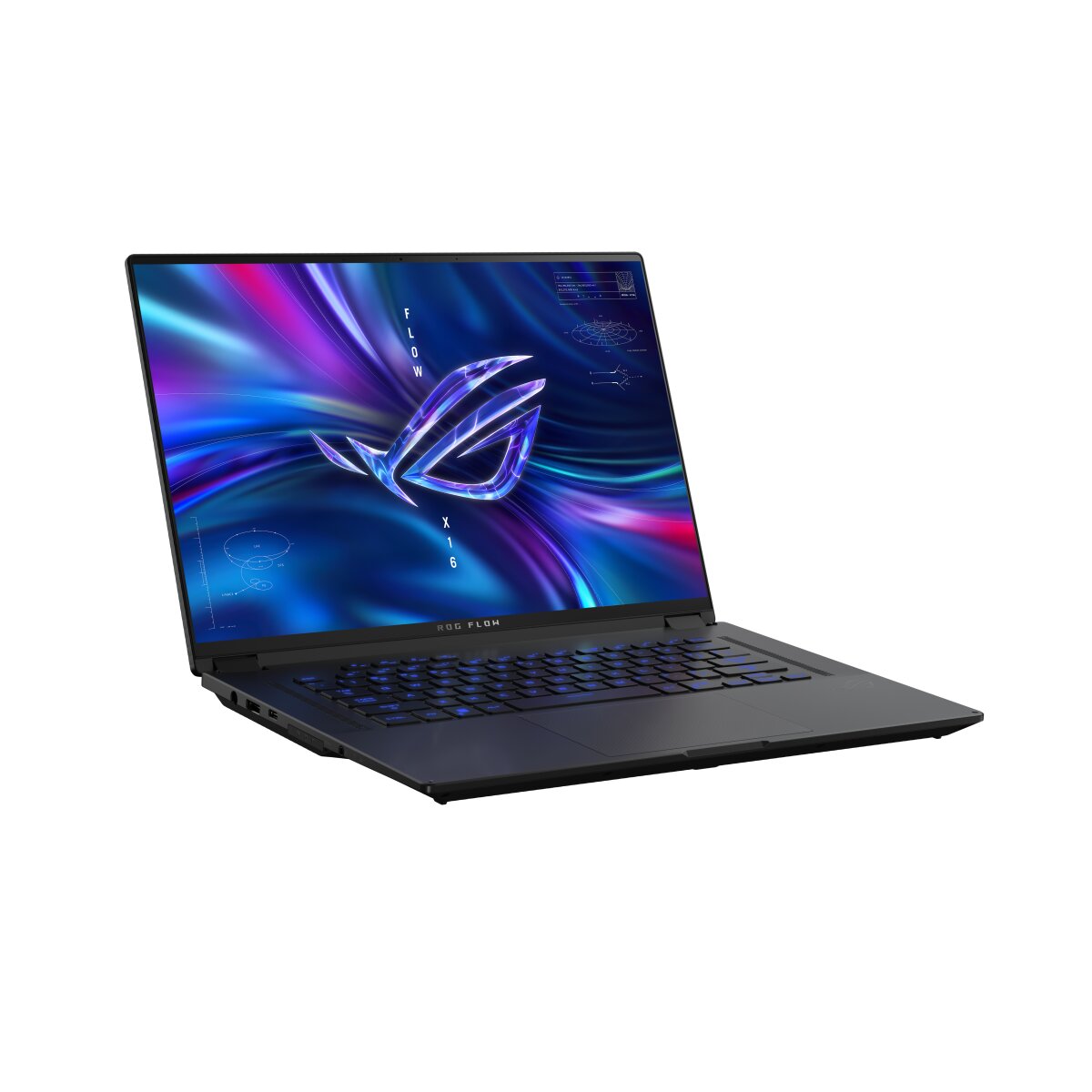
ASUS ROG Flow X16 GV601VV-NF015W laptop memory upgrade specifications include two SO-DIMM slots supporting DDR5-SDRAM modules. Maximum RAM capacity reaches 64 GB total, with compatible memory operating at 4800 MHz frequency. Upgrade configurations allow installation of DDR5 SO-DIMM modules in both available slots to expand system memory from factory default capacity.
Memory Upgrade Specifications
| Specification | Value |
|---|---|
| Memory slots | 2x SO-DIMM |
| Form factor | SO-DIMM |
| Memory type | DDR5-SDRAM |
| Frequency | 4800 MHz |
| Maximum RAM | 64 GB |
| Voltage | 1.1V |
| Number of pins | 262-pin |
| Interface | PC5 |
| PC Speed Rating | PC5-4800 (PC5-38400) |
| Bandwidth | 38.4 GB/s |
| Laptop Release date | 12 January 2023 |
Additional Notes
- The ASUS ROG GV601VV-NF015W uses DDR5 SO-DIMM modules, which are physically smaller than desktop DDR5 variants and limit upgrade sources to laptop-specific memory products.
- Dual SO-DIMM configuration supports symmetric population only; installing mismatched capacities (e.g., 16GB + 32GB) will force the larger module to operate at reduced bandwidth to match the smaller module's speed, creating a performance penalty.
- 4800 MHz frequency represents the JEDEC standard for DDR5 laptop memory; third-party modules rated above this speed will downclock to 4800 MHz in this system, making higher-frequency purchases redundant.
- 64 GB maximum capacity indicates both slots must receive 32GB modules to reach the ceiling; single 48GB modules are incompatible, and mixed configurations using one 32GB and one 16GB module will leave 16GB of theoretical capacity inaccessible.
- SO-DIMM installation typically requires removing bottom panels and may involve disconnecting battery connectors; warranty retention depends on ASUS's service documentation for this specific model regarding user-replaceable components.
- The 2-slot architecture creates a bandwidth bottleneck if upgrading from a factory single-channel configuration; pairing modules from different manufacturers risks subtle compatibility issues despite identical specifications.