ASUS ROG GV601VV-NF001W RAM upgrade specifications


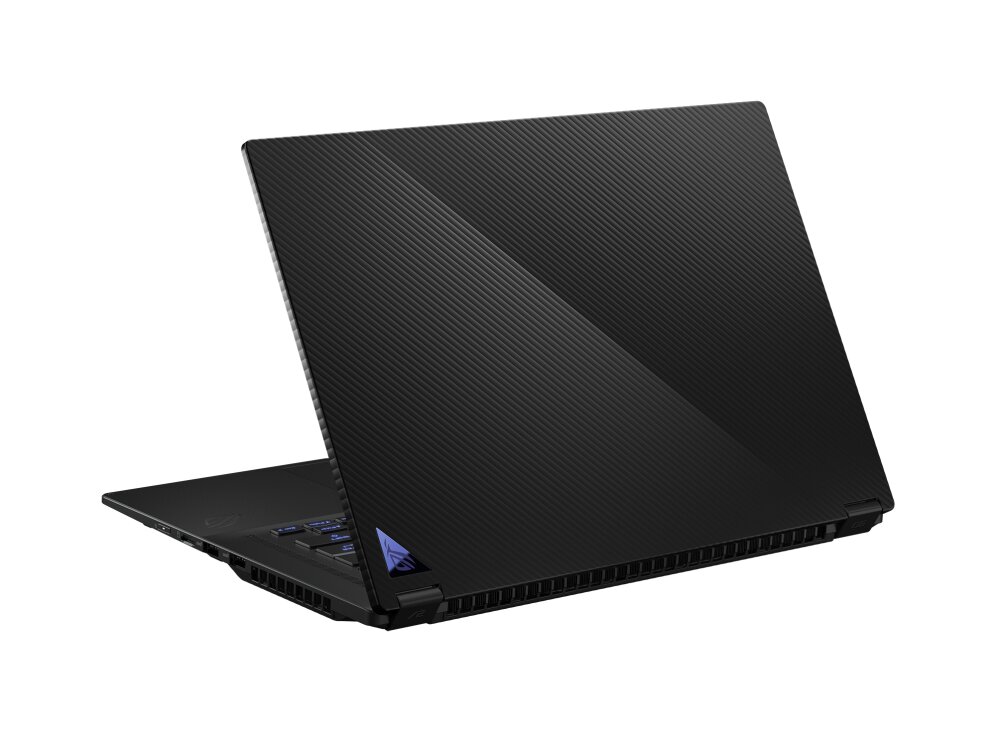
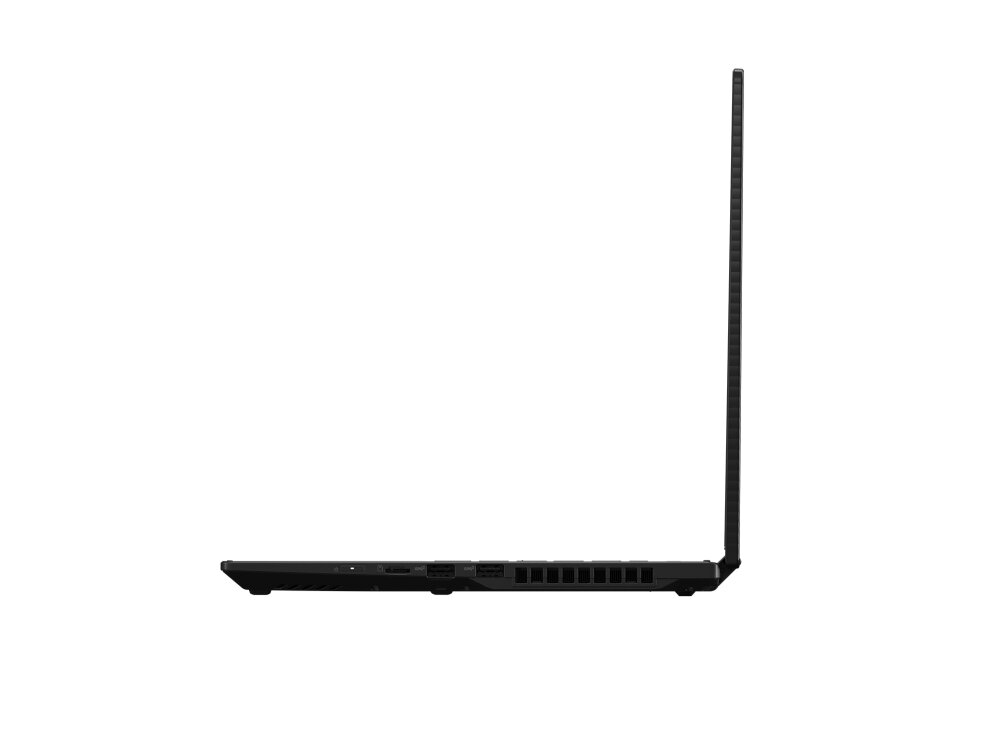
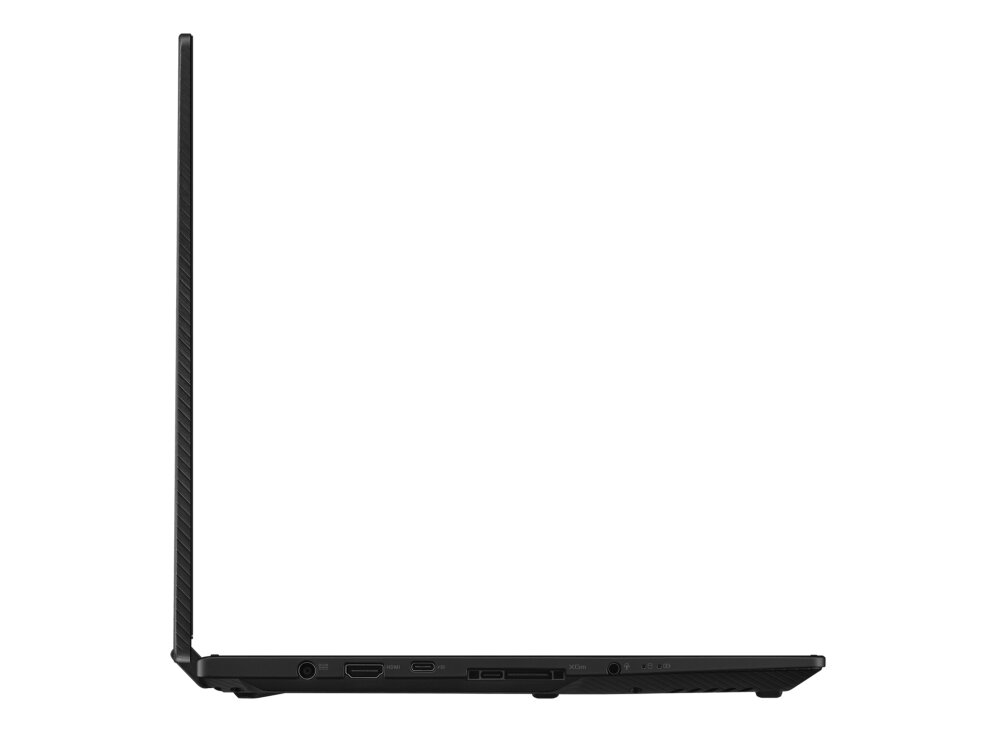
ASUS ROG Flow X16 GV601VV-NF001W laptop features DDR5-SDRAM memory configuration with 2x SO-DIMM slots supporting maximum RAM capacity of 64 GB. Specifications include DDR5-4800 MHz frequency standard. Memory upgrade compatibility requires SO-DIMM form factor modules. Current DDR5 memory specifications enable efficient multitasking and performance-intensive applications on this mobile workstation platform.
Memory Upgrade Specifications
| Specification | Value |
|---|---|
| Memory slots | 2x SO-DIMM |
| Form factor | SO-DIMM |
| Memory type | DDR5-SDRAM |
| Frequency | 4800 MHz |
| Maximum RAM | 64 GB |
| Voltage | 1.1V |
| Number of pins | 262-pin |
| Interface | PC5 |
| PC Speed Rating | PC5-4800 (PC5-38400) |
| Bandwidth | 38.4 GB/s |
| Laptop Release date | 07 February 2023 |
Additional Notes
- The ASUS ROG GV601VV-NF001W accepts DDR5 modules exclusively, making DDR4 modules physically and electrically incompatible due to different notch positions and voltage requirements.
- The 4800 MHz native frequency represents JEDEC standard DDR5 speed, meaning faster XMP/EXPO modules will downclock to this base specification unless the BIOS supports automatic profile activation.
- Dual SO-DIMM configuration requires matched pairs for optimal dual-channel bandwidth, as mismatched capacities or timings can force single-channel operation or default to the slower module's specifications.
- The 64 GB maximum capacity constraint allows 2x32 GB configuration as the only path to full memory ceiling, eliminating flexibility for incremental upgrades beyond this point.
- SO-DIMM form factor necessitates modules measuring 67.6mm in length, preventing standard DIMM installation and requiring verification of component height clearance beneath the chassis cover.
- DDR5's on-die ECC architecture operates independently from traditional server-grade ECC, meaning error correction functions at the chip level without BIOS visibility or reporting.
- Mixing DDR5 modules from different manufacturers may cause POST failures or instability due to inconsistent power management IC implementations and timing subtleties.
- The soldered-down memory architecture common in ROG thin-and-light models does not apply here, as the presence of socketed SO-DIMM slots permits user-serviceable upgrades without factory intervention.
- Voltage regulation for DDR5 occurs on the module itself rather than the motherboard, meaning incompatible PMIC designs between brands can prevent system boot even when specifications appear identical.
- Accessing SO-DIMM slots typically requires complete bottom panel removal rather than dedicated access doors, potentially voiding warranty seals depending on regional service policies.