ASUS ROG G513IC-HN078W RAM upgrade specifications
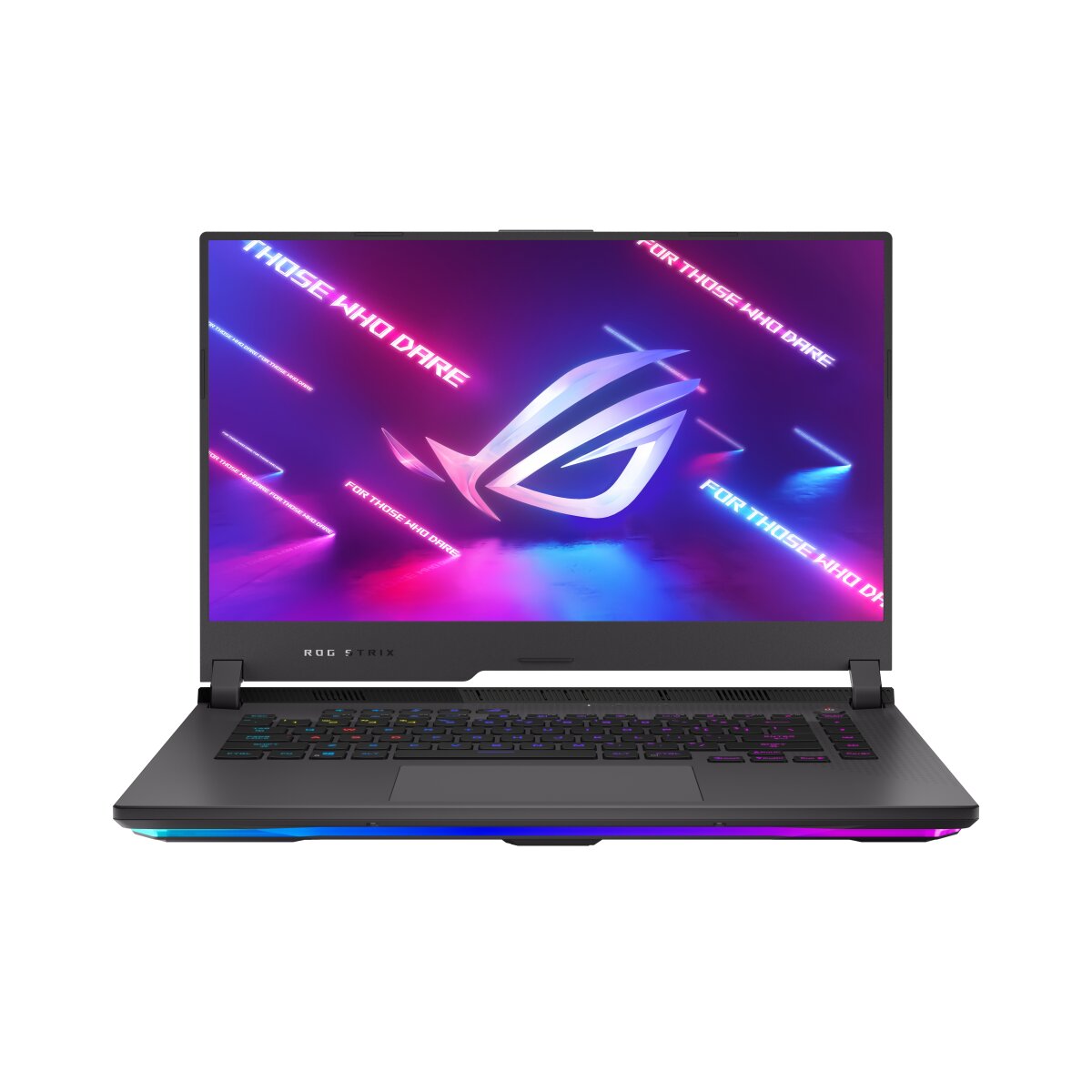


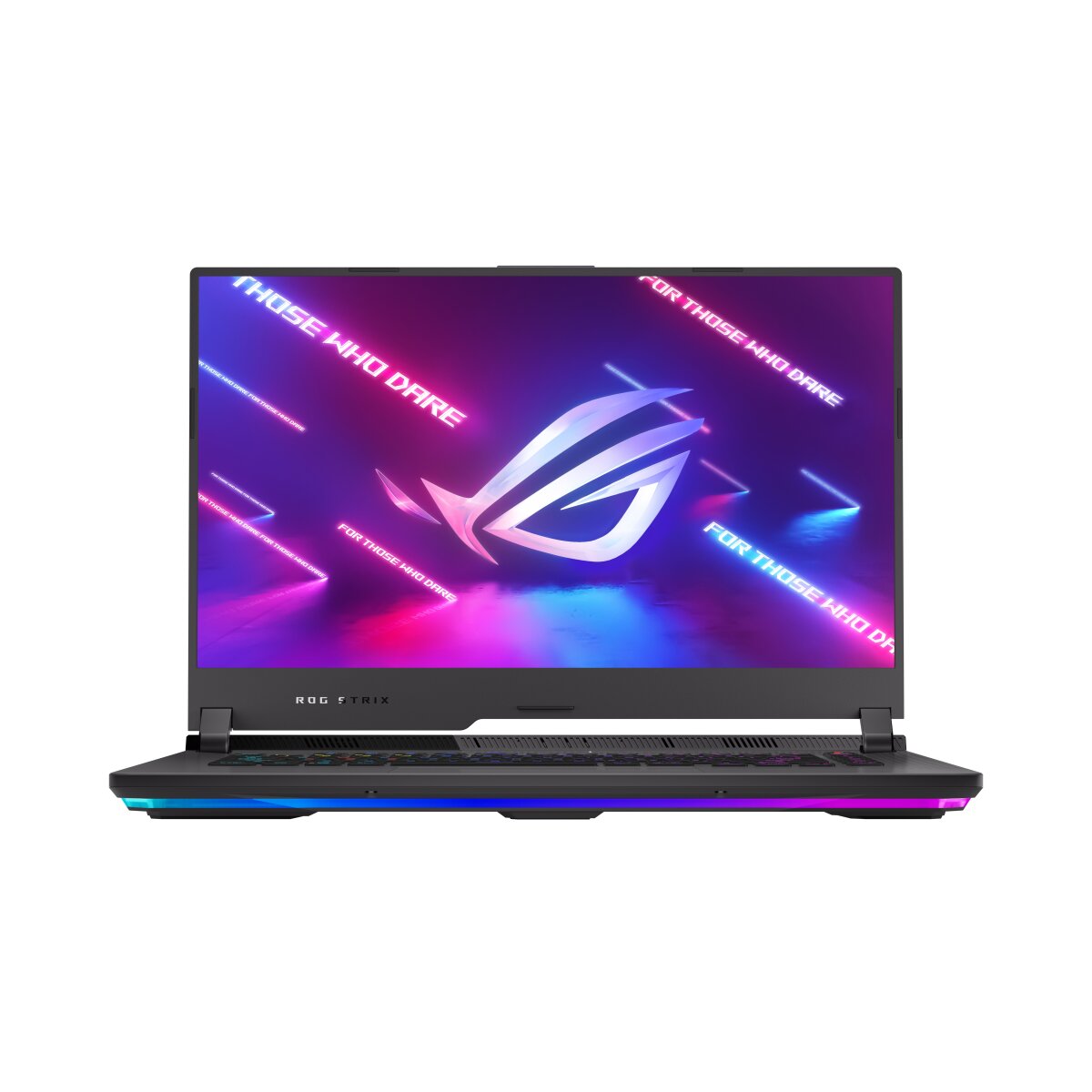

The ASUS ROG Strix G15 G513IC-HN078W laptop features DDR4-SDRAM memory upgrade capabilities with two SO-DIMM slots supporting maximum RAM capacity of 32 GB. Compatible memory modules operate at 3200 MHz frequency. Specifications indicate the laptop supports SO-DIMM form factor memory upgrades, allowing users to expand the system's RAM capacity up to the maximum specifications by installing compatible DDR4 modules in the available memory slots.
Memory Upgrade Specifications
| Specification | Value |
|---|---|
| Memory slots | 2x SO-DIMM |
| Form factor | SO-DIMM |
| Memory type | DDR4-SDRAM |
| Frequency | 3200 MHz |
| Maximum RAM | 32 GB |
| Voltage | 1.2V |
| Number of pins | 260-pin |
| Interface | PC4 |
| PC Speed Rating | PC4-3200 (PC4-25600) |
| Bandwidth | 25.6 GB/s |
| Laptop Release date | 13 September 2022 |
Additional Notes
- The ASUS ROG G513IC-HN078W implements a dual-channel SO-DIMM configuration, requiring matched pairs for optimal memory interleaving and bandwidth utilization.
- The 32 GB ceiling translates to a maximum 16 GB module per slot, establishing a hard compatibility boundary for capacity planning.
- DDR4-3200 operation requires SPD verification on replacement modules, as mixing speeds will downclock the entire subsystem to the lowest common frequency.
- SO-DIMM installations in this chassis typically involve bottom panel removal, which may affect thermal pad seating if not reinstalled with proper compression.
- Asymmetric configurations, such as 8 GB plus 16 GB modules, will disable dual-channel operation for addresses beyond the smaller module's range, creating a performance cliff.
- CAS latency variations between installed modules can introduce stability issues during XMP profile negotiation, even when frequencies match nominally.
- The 3200 MHz native speed relies on JEDEC standardization, but vendor-specific timings may still require BIOS updates for full compatibility.
- Single-module operation halves theoretical bandwidth to 25.6 GB/s, which constrains integrated graphics performance and CPU-intensive multithreading workloads.
- Most aftermarket SO-DIMM modules exceed the original equipment height tolerances, risking interference with keyboard assemblies or cooling assemblies in compact gaming chassis designs.
- Voltage deviations beyond the DDR4 standard 1.2V specification void warranties on both the memory controller and the modules themselves.