ASUS ROG G513IC-HN108W RAM upgrade specifications
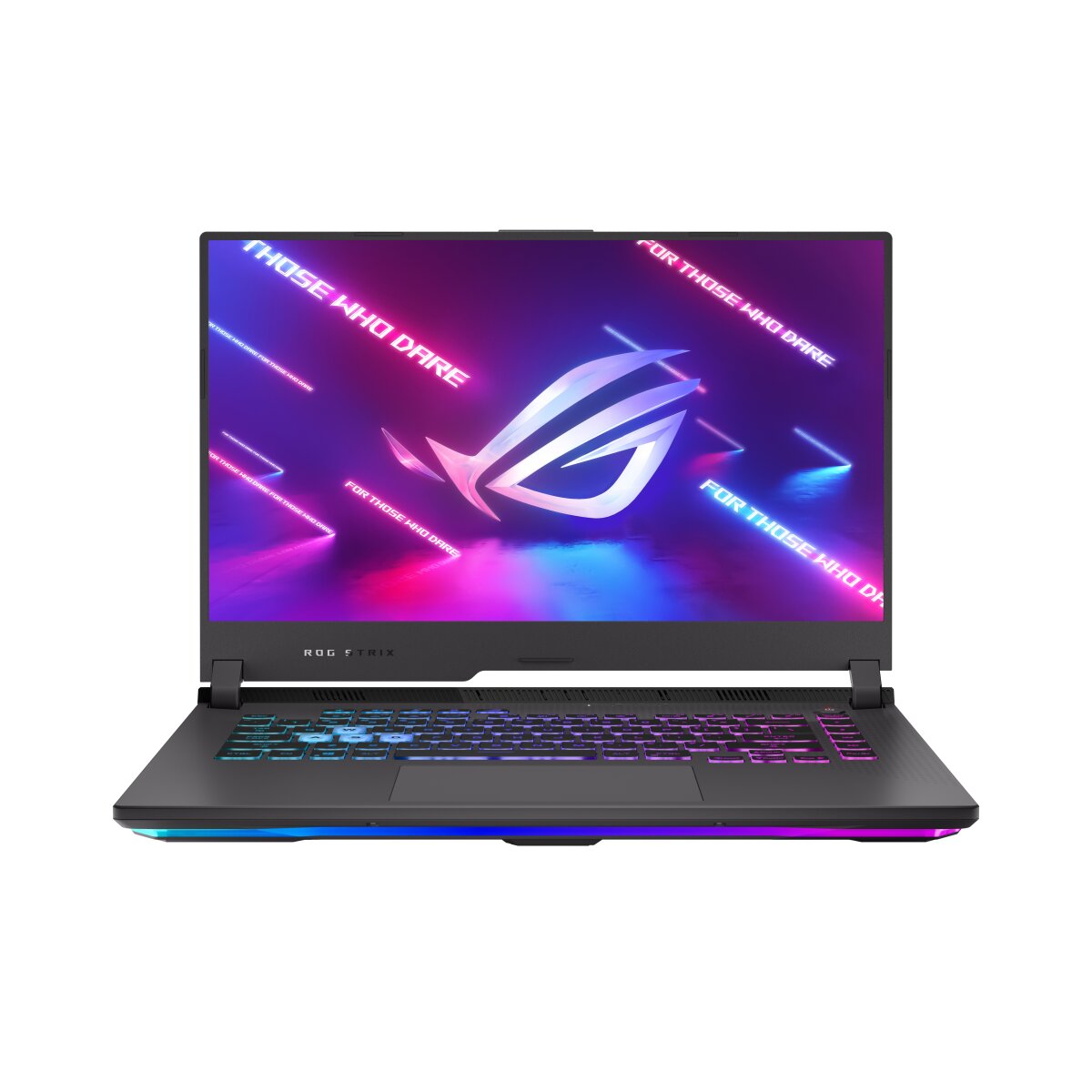


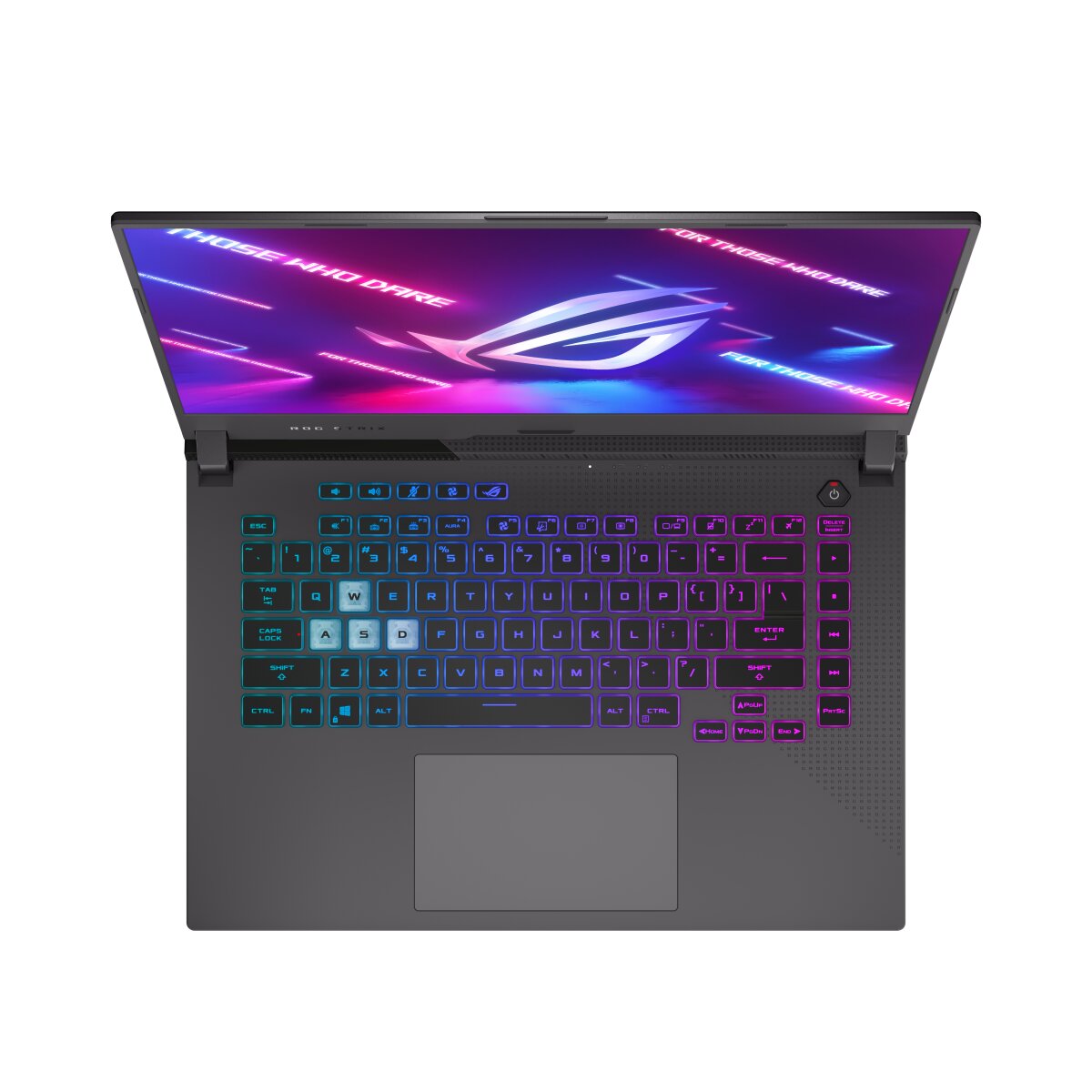
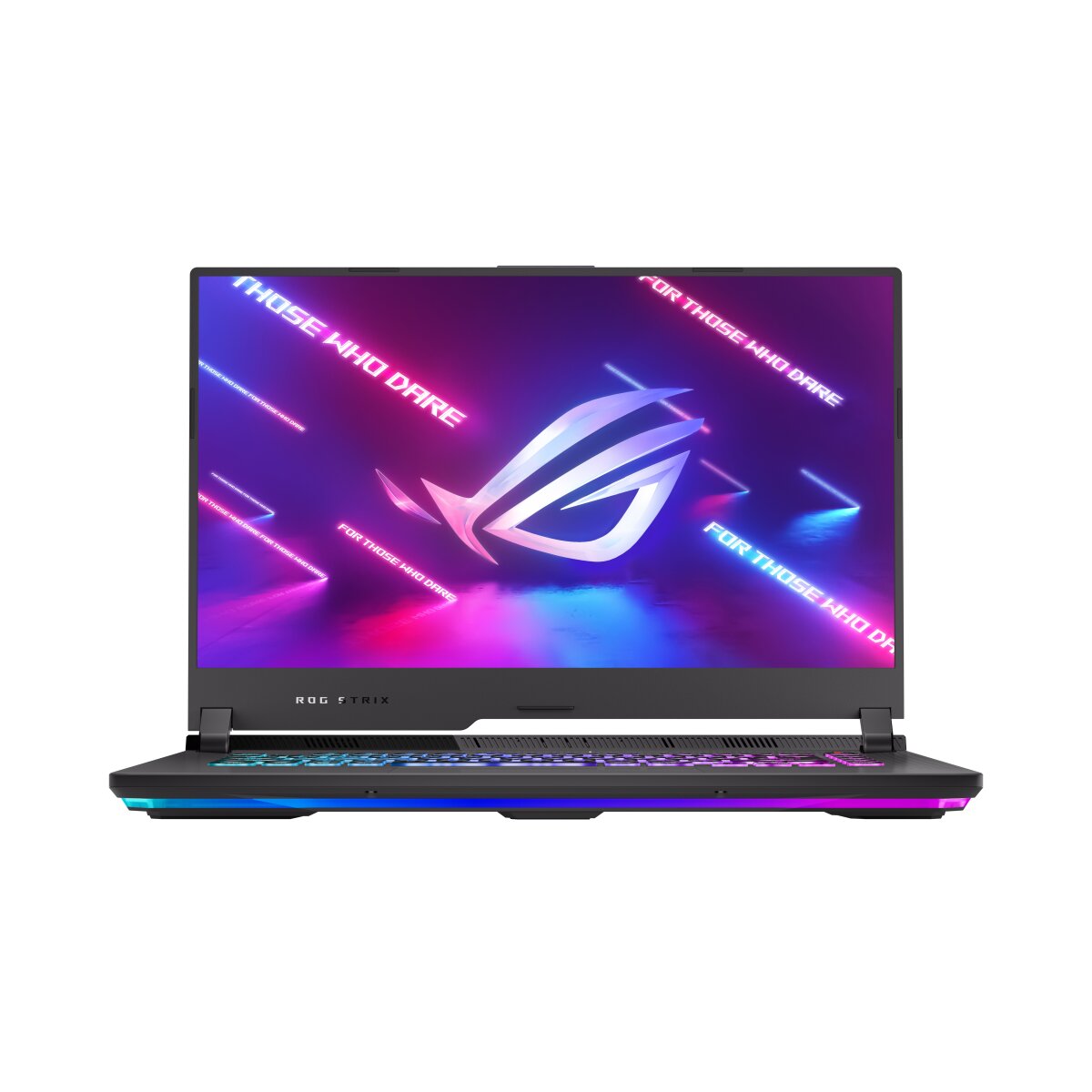
The ASUS ROG Strix G15 G513IC-HN108W features DDR4-SDRAM memory with two SO-DIMM slots for upgrade capabilities. Compatible RAM modules operate at 3200 MHz frequency. The laptop supports a maximum RAM capacity of 32 GB total memory across both slots. Specifications indicate SO-DIMM form factor compatibility for memory module installation and configuration.
Memory Upgrade Specifications
| Specification | Value |
|---|---|
| Memory slots | 2x SO-DIMM |
| Form factor | SO-DIMM |
| Memory type | DDR4-SDRAM |
| Frequency | 3200 MHz |
| Maximum RAM | 32 GB |
| Voltage | 1.2V |
| Number of pins | 260-pin |
| Interface | PC4 |
| PC Speed Rating | PC4-3200 (PC4-25600) |
| Bandwidth | 25.6 GB/s |
| Laptop Release date | 13 October 2022 |
Additional Notes
- DDR4-SDRAM at 3200 MHz operates within the JEDEC standard range for laptop memory, meaning third-party modules rated at this speed will function without requiring BIOS adjustments or overclocking profiles.
- The 2 SO-DIMM slot configuration on the ASUS ROG G513IC-HN108W requires full module replacement to reach the 32 GB ceiling; upgrading from a single 8 GB factory module necessitates removing the original stick rather than adding capacity alongside existing hardware.
- DDR4 SO-DIMM modules of 3200 MHz specification are commodity components widely available in laptop upgrade channels, reducing compatibility risk and establishing predictable pricing for capacity increases.
- The maximum capacity of 32 GB dictates that memory will not constrain gaming workloads or professional applications, though bandwidth limitations inherent to DDR4 versus newer DDR5 architecture persist for bandwidth-intensive compute tasks.
- SO-DIMM form factor confinement means Kingston, Crucial, and Corsair modules engineered for mobile platforms will install correctly; desktop DDR4 UDIMM sticks cannot physically fit the laptop's socket configuration.
- Dual-slot architecture eliminates single-channel operation scenarios; matching paired modules in capacity and speed optimizes memory bandwidth delivery to the CPU and iGPU, whereas mismatched modules default to the slower device's rated frequency.