ASUS ROG G513IE-HF056 RAM upgrade specifications
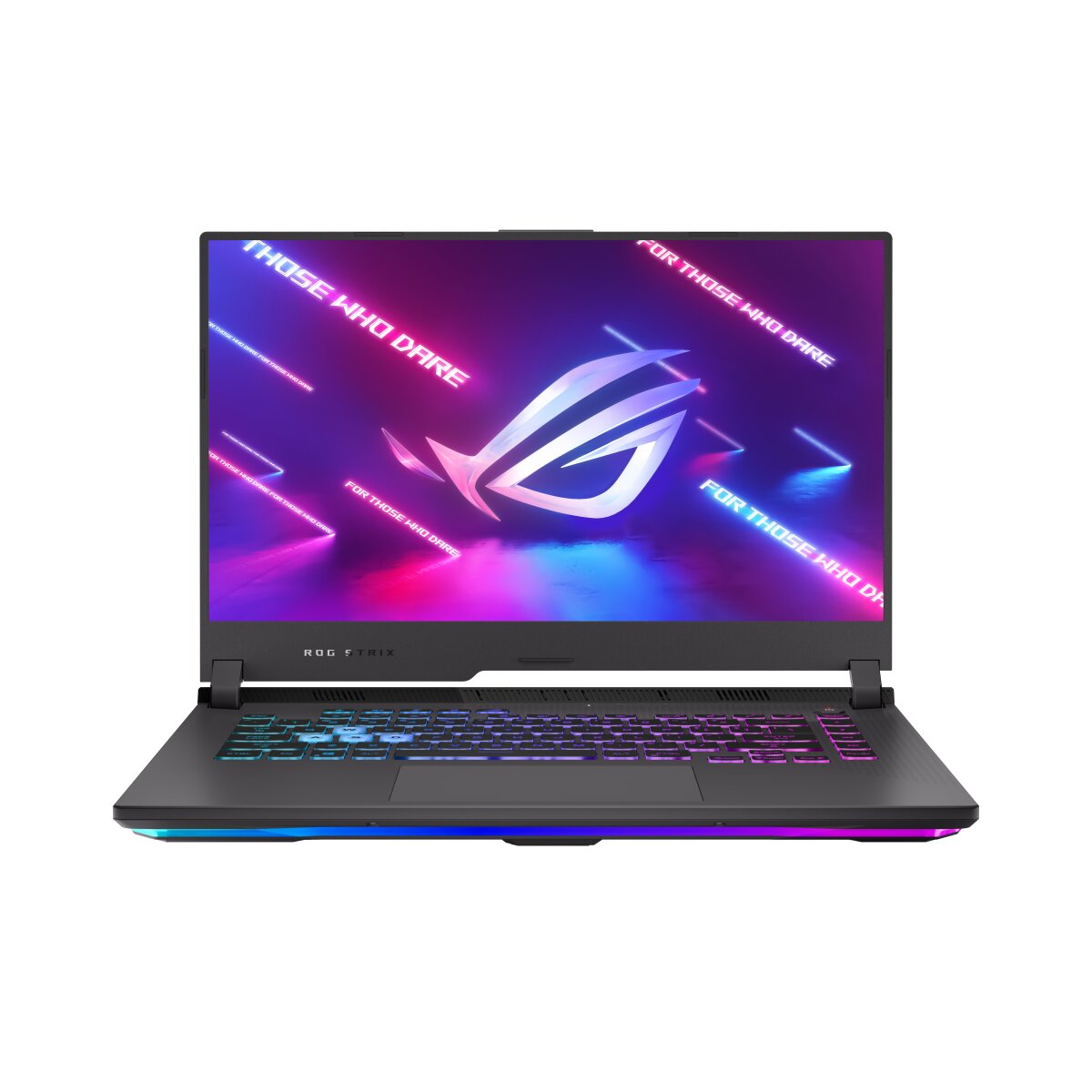


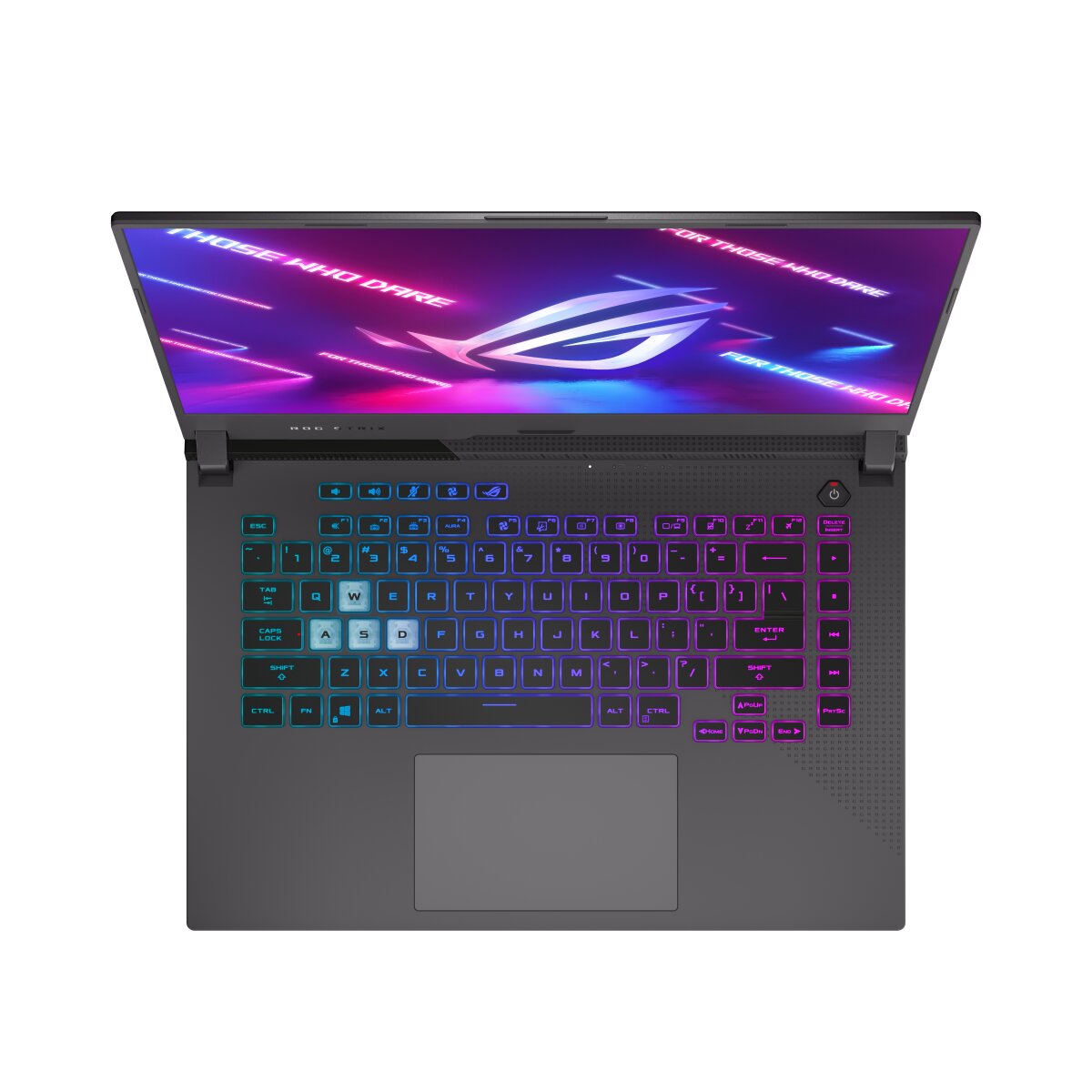
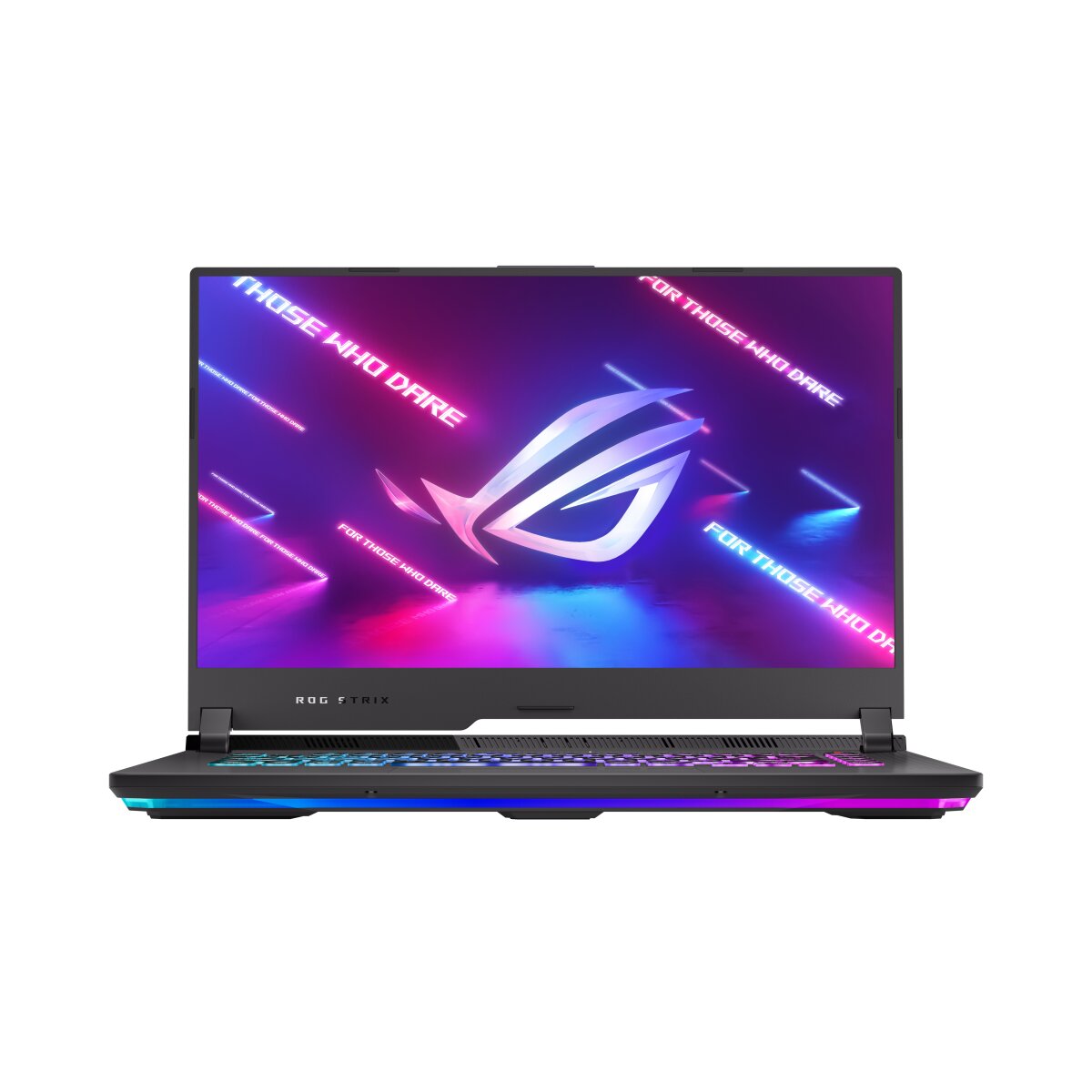
ASUS ROG Strix G15 G513IE-HF056 laptop supports DDR4-SDRAM memory upgrade through two SO-DIMM slots. Maximum compatible RAM capacity reaches 32 GB total. Memory operates at 3200 MHz frequency. Specifications indicate SO-DIMM form factor compatibility for upgrade installations. RAM upgrade slots accommodate standard laptop memory modules for enhanced system performance and multitasking capabilities on this gaming laptop model.
Memory Upgrade Specifications
| Specification | Value |
|---|---|
| Memory slots | 2x SO-DIMM |
| Form factor | SO-DIMM |
| Memory type | DDR4-SDRAM |
| Frequency | 3200 MHz |
| Maximum RAM | 32 GB |
| Voltage | 1.2V |
| Number of pins | 260-pin |
| Interface | PC4 |
| PC Speed Rating | PC4-3200 (PC4-25600) |
| Bandwidth | 25.6 GB/s |
| Laptop Release date | 25 October 2021 |
Additional Notes
- The ASUS ROG G513IE-HF056 accepts only SO-DIMM modules, which excludes standard desktop DIMM memory despite both using DDR4 technology.
- The 32 GB ceiling requires purchasing modules in a 2x16 GB configuration, as single 32 GB SO-DIMM DDR4 modules exceed the platform's addressing capability.
- Mixing different capacity modules between the 2 slots will function but forces all memory to operate in single-channel mode for the mismatched portion, reducing effective bandwidth.
- The 3200 MHz specification represents the supported JEDEC standard speed; modules rated at higher frequencies will downclock to this limit without manual BIOS intervention.
- Both memory slots share bandwidth with the integrated graphics portion of the AMD Ryzen processor, creating contention during GPU-intensive workloads.
- DDR4-3200 CL22 represents typical compatibility for this platform, while CL20 or lower latency variants may improve frame pacing in CPU-limited gaming scenarios.
- Voltage requirements default to 1.2V for JEDEC-compliant modules; higher-voltage XMP profiles may not activate correctly on this mobile platform.
- The SO-DIMM slot retention mechanism differs from desktop DIMM latches, requiring outward pressure on side clips rather than downward insertion force during installation.
- Accessing the memory slots on this chassis typically requires complete bottom panel removal, voiding certain regional warranty protections depending on local consumer law.
- Dual-rank memory modules provide slightly higher bandwidth than single-rank equivalents at identical frequencies, though compatibility varies by specific BIOS revision.
- The controller supports ECC memory detection but not ECC functionality, meaning registered or buffered SO-DIMMs will either fail to boot or operate without error correction.