ASUS ROG G513IE-HN004 RAM upgrade specifications
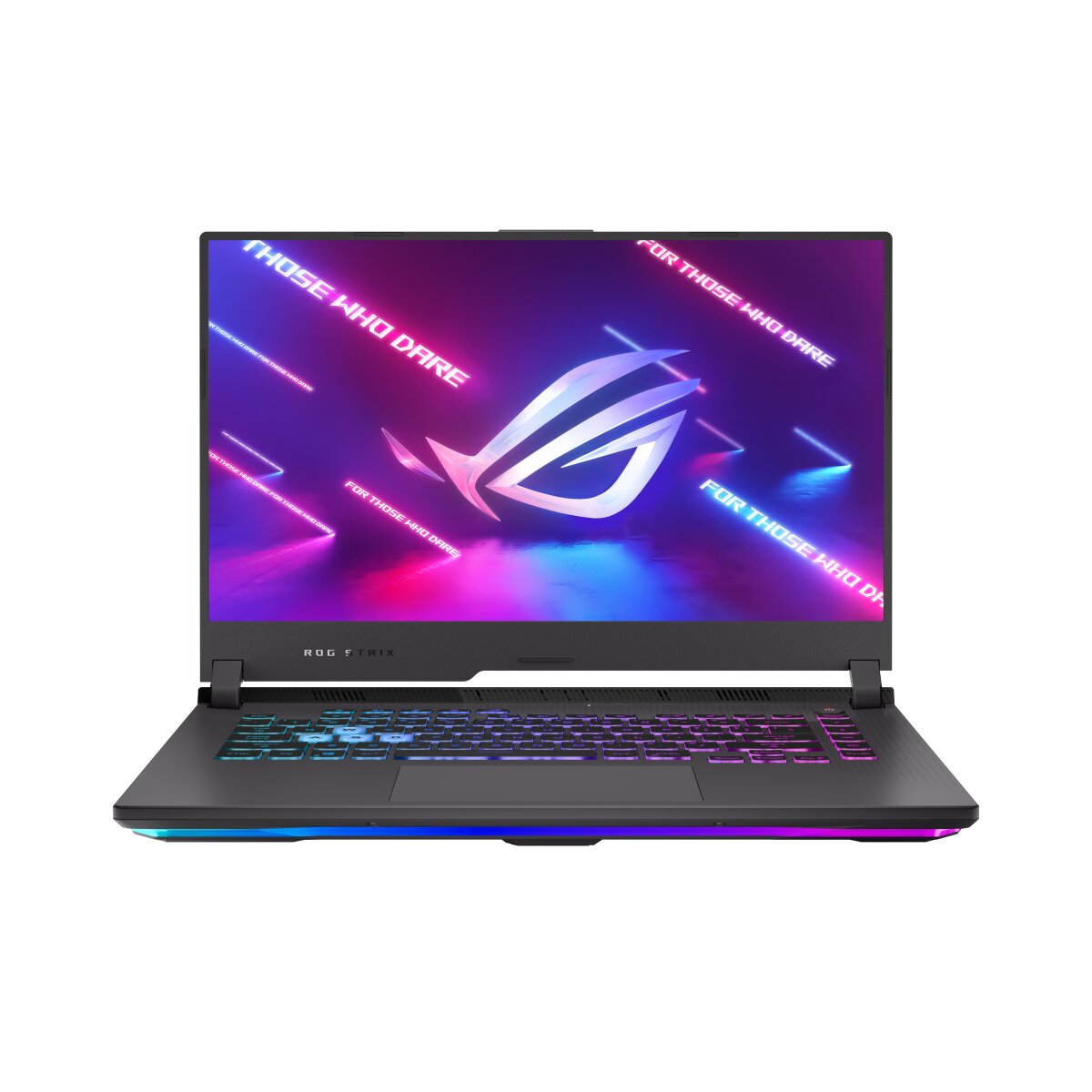


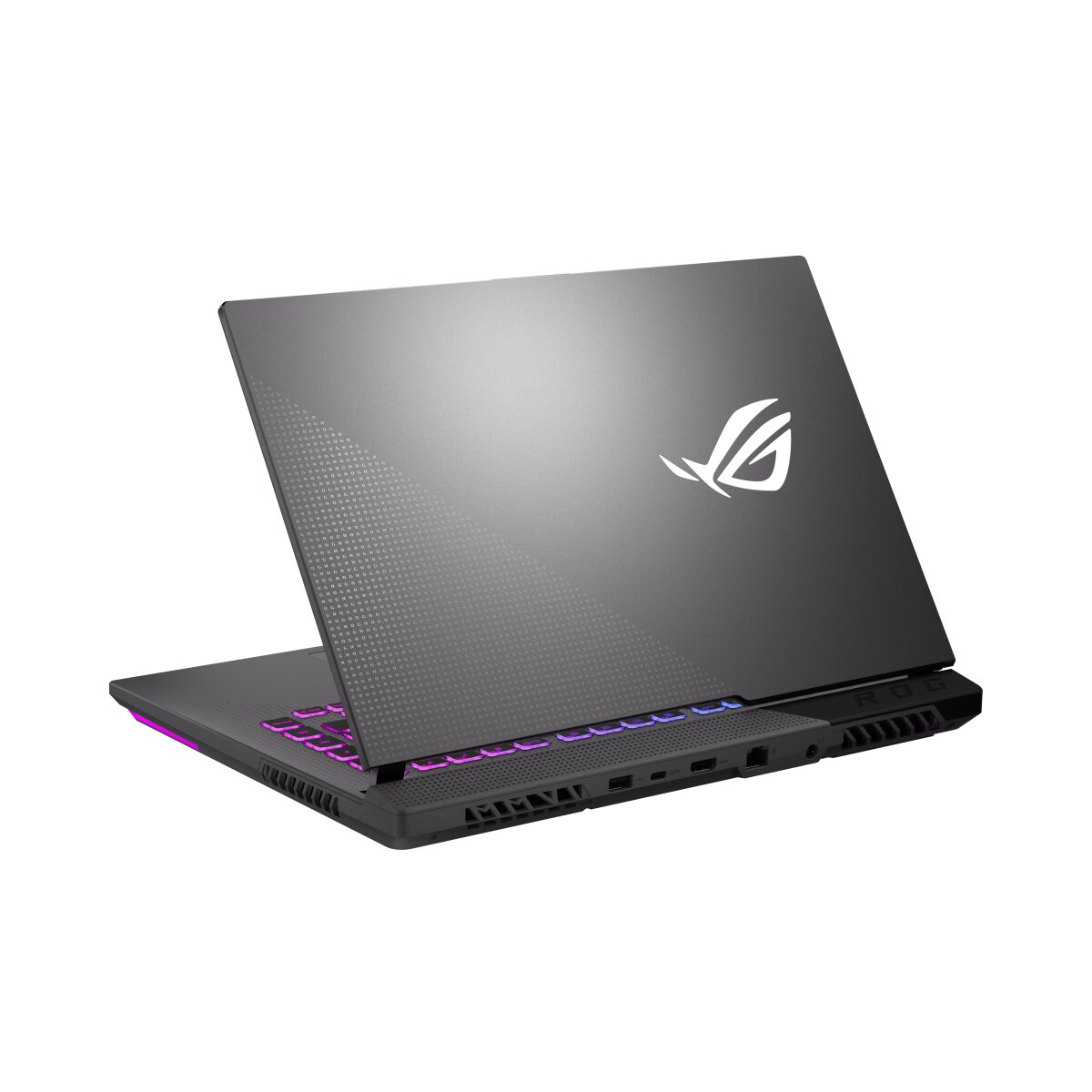
ASUS ROG Strix G15 G513IE-HN004 laptop features two SO-DIMM slots supporting DDR4-SDRAM memory at 3200 MHz frequency. The upgrade specifications indicate maximum RAM capacity of 32 GB total memory. Compatible memory modules must match the SO-DIMM form factor and DDR4-SDRAM standard. Users upgrading memory should ensure specifications align with existing installed modules for optimal performance and compatibility.
Memory Upgrade Specifications
| Specification | Value |
|---|---|
| Memory slots | 2x SO-DIMM |
| Form factor | SO-DIMM |
| Memory type | DDR4-SDRAM |
| Frequency | 3200 MHz |
| Maximum RAM | 32 GB |
| Voltage | 1.2V |
| Number of pins | 260-pin |
| Interface | PC4 |
| PC Speed Rating | PC4-3200 (PC4-25600) |
| Bandwidth | 25.6 GB/s |
| Laptop Release date | 26 October 2022 |
Additional Notes
- The SO-DIMM slots accept standard 260-pin modules, incompatible with desktop DIMM or older 204-pin DDR3 formats regardless of capacity matching.
- The 32 GB ceiling reflects chipset or BIOS addressability limits, requiring 2x16 GB modules rather than potential future 2x32 GB configurations even if such SO-DIMMs become available.
- Operating at 3200 MHz assumes JEDEC standard timing profiles; manual XMP activation through BIOS may be unavailable or void warranty coverage on this ASUS ROG G513IE-HN004 configuration.
- Dual-channel population with matched pairs delivers double memory bandwidth versus single-module installations, critical for integrated graphics workloads sharing system memory.
- Mixing 3200 MHz modules with lower-speed RAM forces all slots to downclock to the slowest installed frequency, negating faster module investments.
- CAS latency variations between manufacturers affect real-world responsiveness despite identical MHz ratings, though compatibility remains assured within DDR4-3200 specification.
- Non-ECC unbuffered modules maintain compatibility; server-grade ECC or registered DIMMs trigger boot failures despite matching physical SO-DIMM dimensions.
- Thermal constraints in compact chassis designs may throttle sustained memory-intensive operations before reaching theoretical 3200 MHz transfer limits.
- Voltage deviation beyond DDR4 standard 1.2V specification risks immediate hardware damage or gradual degradation outside factory-approved tolerances.
- Accessing underside slots typically requires complete base panel removal, potentially disturbing thermal paste seals or ribbon cable routing during installation.