ASUS ROG G513IE-HN004T RAM upgrade specifications




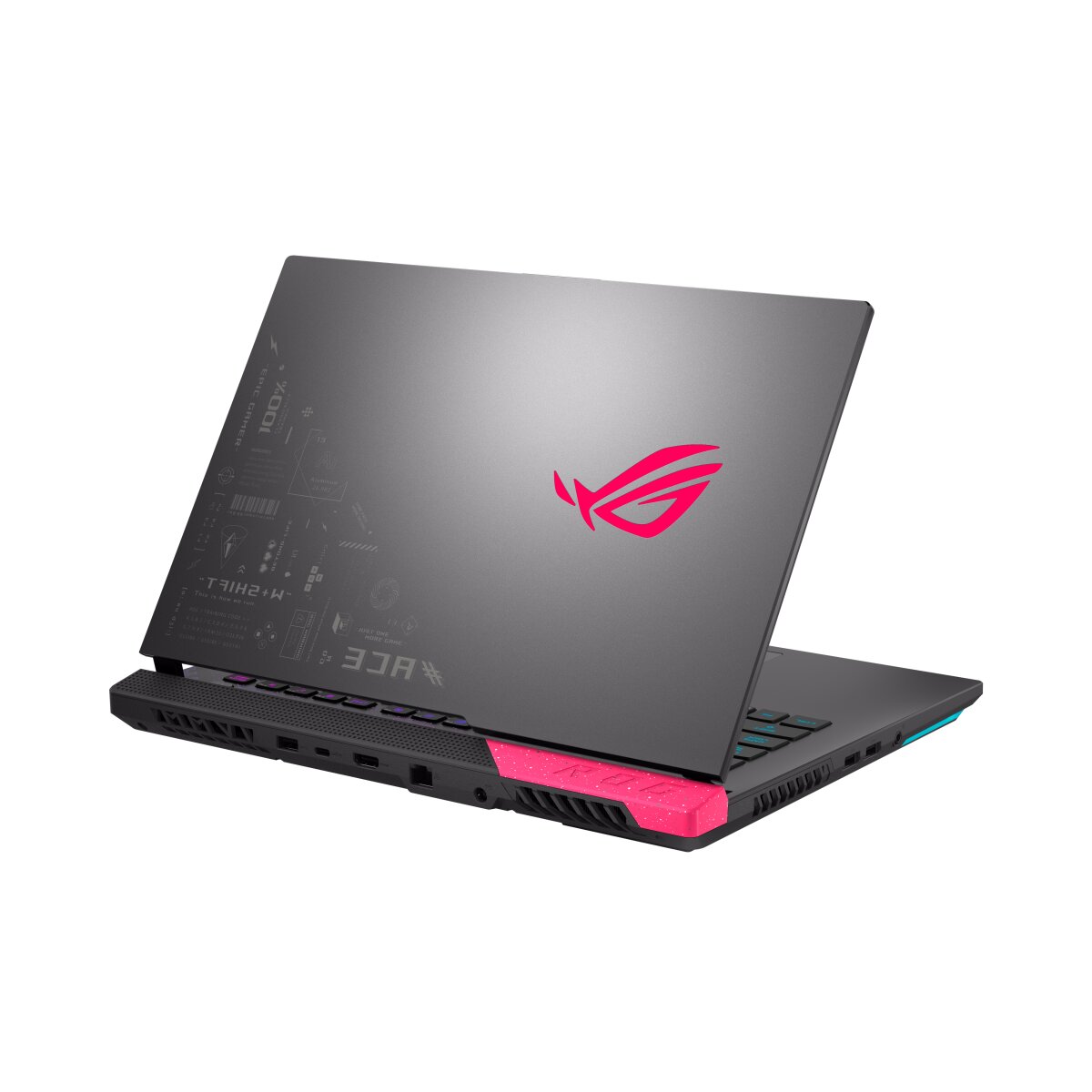
The ASUS ROG Strix G15 G513IE-HN004T features DDR4-SDRAM memory upgrade capabilities with 2x SO-DIMM slots supporting a maximum RAM capacity of 32 GB. Compatible memory operates at 3200 MHz frequency specifications. The laptop accepts SO-DIMM form factor modules for RAM upgrades. Maximum memory configuration supports 16 GB per slot, enabling full 32 GB capacity when both slots are populated. DDR4 specifications define the memory upgrade compatibility for the Strix G15 G513IE-HN004T gaming laptop model.
Memory Upgrade Specifications
| Specification | Value |
|---|---|
| Memory slots | 2x SO-DIMM |
| Form factor | SO-DIMM |
| Memory type | DDR4-SDRAM |
| Frequency | 3200 MHz |
| Maximum RAM | 32 GB |
| Voltage | 1.2V |
| Number of pins | 260-pin |
| Interface | PC4 |
| PC Speed Rating | PC4-3200 (PC4-25600) |
| Bandwidth | 25.6 GB/s |
| Laptop Release date | 13 July 2021 |
Additional Notes
- The ASUS ROG G513IE-HN004T contains 2 SO-DIMM slots, meaning both memory modules must be replaced simultaneously to achieve the 32 GB maximum; adding a single module leaves the second slot empty and prevents dual-channel operation, reducing memory bandwidth by 50%.
- DDR4-3200 modules are mature commodity components with minimal price premium over slower variants, making capacity upgrades economically viable at any tier up to the 32 GB ceiling.
- SO-DIMM form factor demands laptop-specific memory modules; standard desktop DDR4 DIMMs are physically incompatible and cannot be forced into these slots without component damage.
- Exceeding 3200 MHz rated frequency voids warranty coverage on memory-related failures; the system BIOS will either reject higher-speed modules or operate them at downclocked 3200 MHz speeds, eliminating any performance gain from premium memory.
- The 2-slot architecture creates a hard ceiling at 32 GB total capacity; no configuration path exists to expand beyond this limit through additional slot availability.
- Replacing both memory modules simultaneously eliminates compatibility risk from speed or latency mismatches between old and new modules, which occur when only one slot is upgraded.