ASUS ROG G513IE-HF055 RAM upgrade specifications
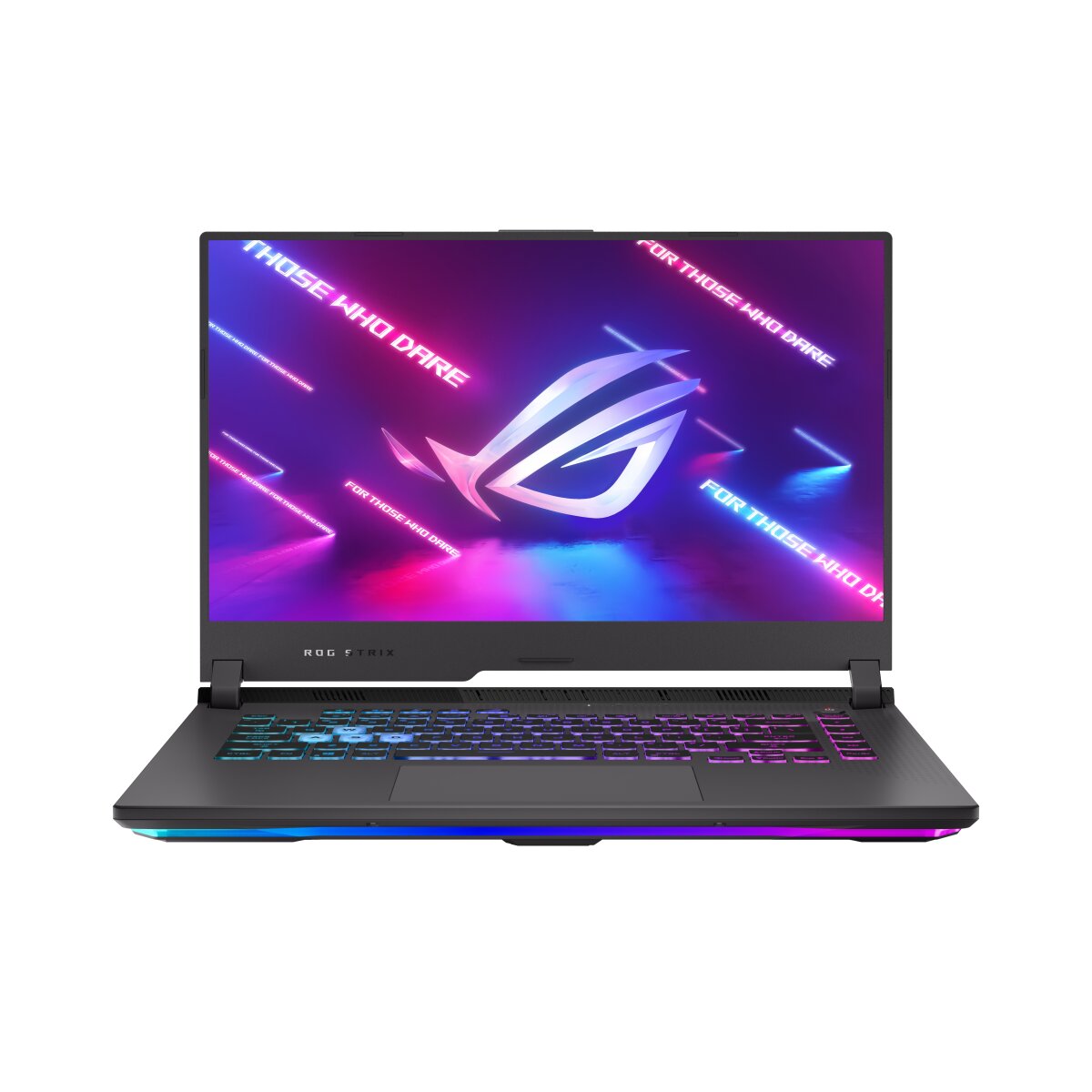


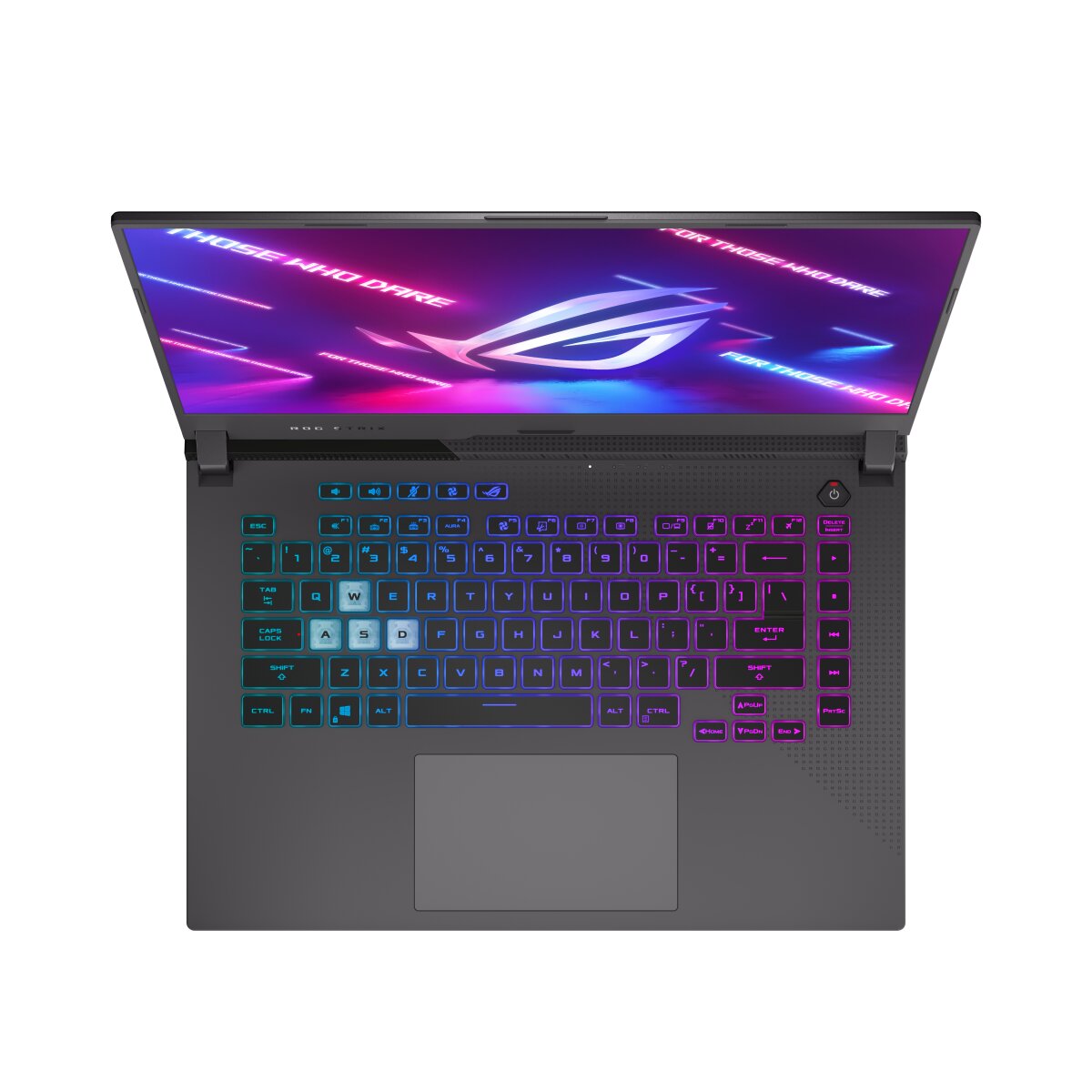

ASUS ROG Strix G15 model G513IE-HF055 supports DDR4-SDRAM memory upgrades through 2x SO-DIMM slots. Maximum RAM capacity reaches 32 GB total. Compatible memory operates at 3200 MHz frequency. The SO-DIMM form factor specifications define compatible upgrade modules for this gaming laptop. RAM upgrade options enable expansion from factory-installed configuration to maximum supported capacity within available slot specifications.
Memory Upgrade Specifications
| Specification | Value |
|---|---|
| Memory slots | 2x SO-DIMM |
| Form factor | SO-DIMM |
| Memory type | DDR4-SDRAM |
| Frequency | 3200 MHz |
| Maximum RAM | 32 GB |
| Voltage | 1.2V |
| Number of pins | 260-pin |
| Interface | PC4 |
| PC Speed Rating | PC4-3200 (PC4-25600) |
| Bandwidth | 25.6 GB/s |
| Laptop Release date | 22 October 2021 |
Additional Notes
- The ASUS ROG G513IE-HF055 memory controller imposes a 32 GB ceiling across both slots combined, limiting single-slot configurations to 16 GB modules regardless of higher-capacity module availability in the market.
- DDR4-3200 represents the officially supported frequency specification, though actual sustained transfer rates depend on CPU memory controller capabilities and thermal conditions during extended workloads.
- SO-DIMM form factor requirements exclude standard desktop DIMM modules due to physical incompatibility, with SO-DIMM modules measuring 67.6 mm versus desktop modules at 133.35 mm in length.
- Dual-channel architecture activation requires identical module specifications in both slots, as asymmetric configurations default to single-channel operation with measurable performance degradation in memory-intensive applications.
- The 2 SO-DIMM slot configuration permits incremental upgrade paths without immediate full replacement, though populating both slots optimizes memory interleaving for bandwidth-sensitive tasks.
- DDR4 voltage specifications standardize at 1.2V for compatibility, while non-standard low-voltage or overclocked modules may trigger POST failures or stability issues outside manufacturer-validated parameters.
- Access to SO-DIMM slots typically requires bottom panel removal, which may affect warranty status depending on regional service policies and seal integrity preservation requirements.
- Mixing module capacities between slots remains technically functional but forces the system into flex mode operation, where only matching capacity portions run in dual-channel while excess capacity operates in single-channel.
- CAS latency timings interact with the 3200 MHz frequency specification, where CL22 modules introduce approximately 13.75 nanoseconds of latency versus 10 nanoseconds for CL16 modules at identical frequencies.
- JEDEC standard DDR4-3200 modules ensure plug-and-play compatibility, while XMP-profiled modules require BIOS support for advertised speeds and may default to lower JEDEC fallback frequencies.