ASUS ROG G513IC-HN039 RAM upgrade specifications
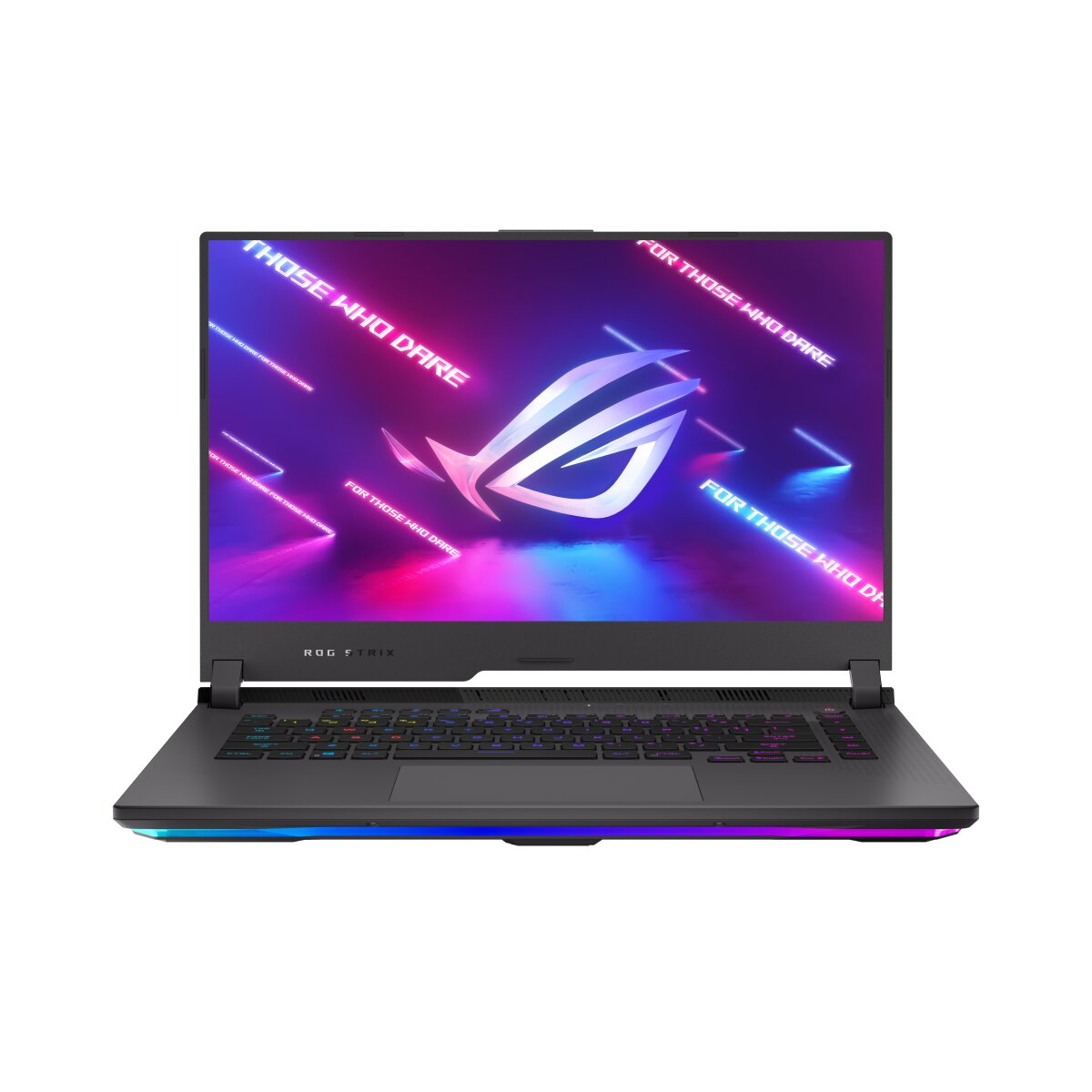




ASUS ROG Strix G15 model G513IC-HN039 features DDR4-SDRAM memory upgrade specifications. The laptop contains 2x SO-DIMM slots compatible with DDR4 modules operating at 3200 MHz frequency. Maximum supported RAM capacity reaches 32 GB total. SO-DIMM form factor specifications define compatible memory modules for upgrade installations on this gaming laptop model.
Memory Upgrade Specifications
| Specification | Value |
|---|---|
| Memory slots | 2x SO-DIMM |
| Form factor | SO-DIMM |
| Memory type | DDR4-SDRAM |
| Frequency | 3200 MHz |
| Maximum RAM | 32 GB |
| Voltage | 1.2V |
| Number of pins | 260-pin |
| Interface | PC4 |
| PC Speed Rating | PC4-3200 (PC4-25600) |
| Bandwidth | 25.6 GB/s |
| Laptop Release date | 17 December 2021 |
Additional Notes
- The 32 GB maximum capacity indicates a chipset limitation rather than a slot constraint, as 2 SO-DIMM sockets would physically accept up to 64 GB using current-generation modules.
- DDR4-3200 represents the highest JEDEC-standard frequency for this memory type, eliminating headroom for native speed improvements without enabling XMP profiles that may void system stability guarantees.
- SO-DIMM form factor compatibility restricts module selection to laptop-specific components, which typically carry 15-25% price premiums over desktop UDIMM equivalents at identical specifications.
- Dual-channel architecture through 2 populated slots enables full memory bandwidth utilization only when both modules feature matching capacity, requiring paired purchases for optimal inter-channel data throughput.
- Memory controller specifications for this ASUS ROG G513IC-HN039 configuration lock frequency at 3200 MT/s regardless of installed module ratings, rendering higher-speed purchases technically wasteful.
- Non-ECC architecture prioritizes performance over error correction, making the system unsuitable for workloads requiring data integrity validation at the memory subsystem level.
- The absence of soldered memory maintains full user-serviceability for capacity upgrades without requiring motherboard-level component replacement or factory intervention.
- Thermal constraints within laptop chassis designs necessitate module selection favoring standard voltage (1.2V) DDR4 variants over performance-oriented high-voltage alternatives that increase heat dissipation requirements.
- CAS latency specifications remain unspecified in the base configuration, leaving timing optimization dependent on module SPD programming rather than platform-enforced values.
- Single-rank versus dual-rank module topology impacts effective bandwidth delivery, with dual-rank configurations offering 5-15% throughput advantages in memory-intensive applications despite identical frequency ratings.