ASUS ROG G513IC-HN013 RAM upgrade specifications




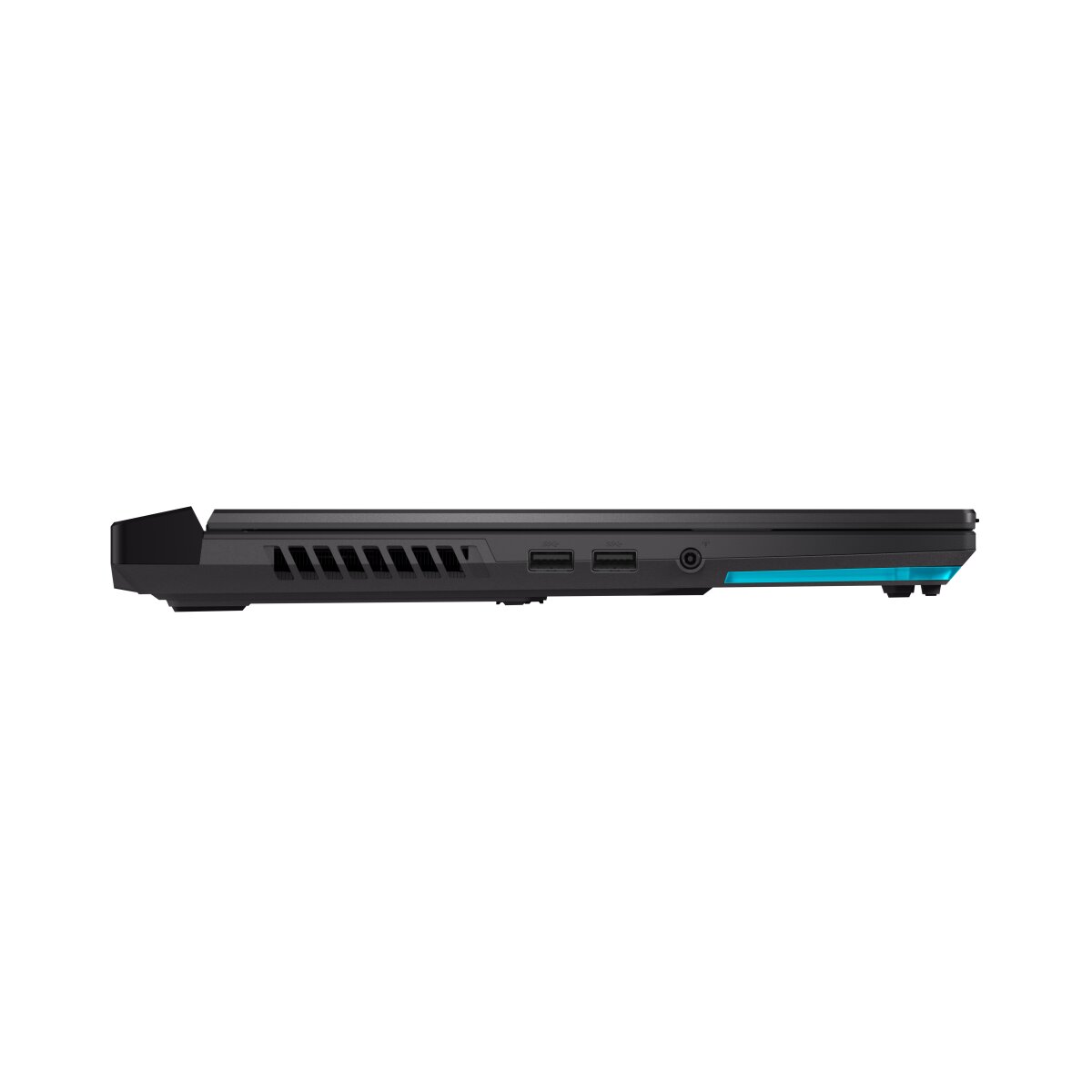
The ASUS ROG Strix G15 G513IC-HN013 gaming laptop features DDR4-SDRAM memory upgrade specifications with two SO-DIMM slots supporting a maximum RAM capacity of 32 GB. The memory operates at 3200 MHz frequency. Compatible DDR4 SO-DIMM modules can be installed in either slot to expand the system's memory capacity. Upgrade configurations allow for various capacity combinations within the 32 GB maximum specification limit.
Memory Upgrade Specifications
| Specification | Value |
|---|---|
| Memory slots | 2x SO-DIMM |
| Form factor | SO-DIMM |
| Memory type | DDR4-SDRAM |
| Frequency | 3200 MHz |
| Maximum RAM | 32 GB |
| Voltage | 1.2V |
| Number of pins | 260-pin |
| Interface | PC4 |
| PC Speed Rating | PC4-3200 (PC4-25600) |
| Bandwidth | 25.6 GB/s |
| Laptop Release date | 28 June 2021 |
Additional Notes
- The dual SO-DIMM architecture requires matching module capacities in both slots to enable dual-channel mode, which doubles memory bandwidth from 25.6 GB/s to 51.2 GB/s for the integrated graphics subsystem.
- The 32 GB ceiling constrains each slot to a maximum 16 GB module, preventing the use of newer 32 GB or 48 GB SO-DIMMs that exceed the memory controller's addressing capabilities.
- DDR4-3200 represents the native JEDEC speed supported without overclocking, though modules rated for higher frequencies will downclock to this specification when installed in the ASUS ROG G513IC-HN013.
- Mixing modules with different CAS latencies or voltage specifications (1.2V versus 1.35V) may force the system to operate all memory at the lowest common denominator, degrading access times.
- SO-DIMM slots positioned beneath the bottom panel typically require complete disassembly of the base cover, which may void manufacturer warranty if damage occurs during user installation.
- The 260-pin SO-DIMM connector standard is physically incompatible with desktop DIMM modules, necessitating laptop-specific memory purchases despite identical speed ratings.
- Single-rank versus dual-rank module configuration affects memory interleaving efficiency, with dual-rank modules providing minor performance advantages in bandwidth-intensive workloads at identical capacities.
- DDR4 SO-DIMMs lack the thermal spreaders common on desktop modules, relying instead on chassis airflow, which makes ambient cooling critical during sustained memory-intensive operations.
- The absence of ECC support in standard DDR4-SDRAM eliminates error correction capabilities, making the system unsuitable for applications requiring validated memory integrity.