ASUS ROG G513QC-HN008T RAM upgrade specifications
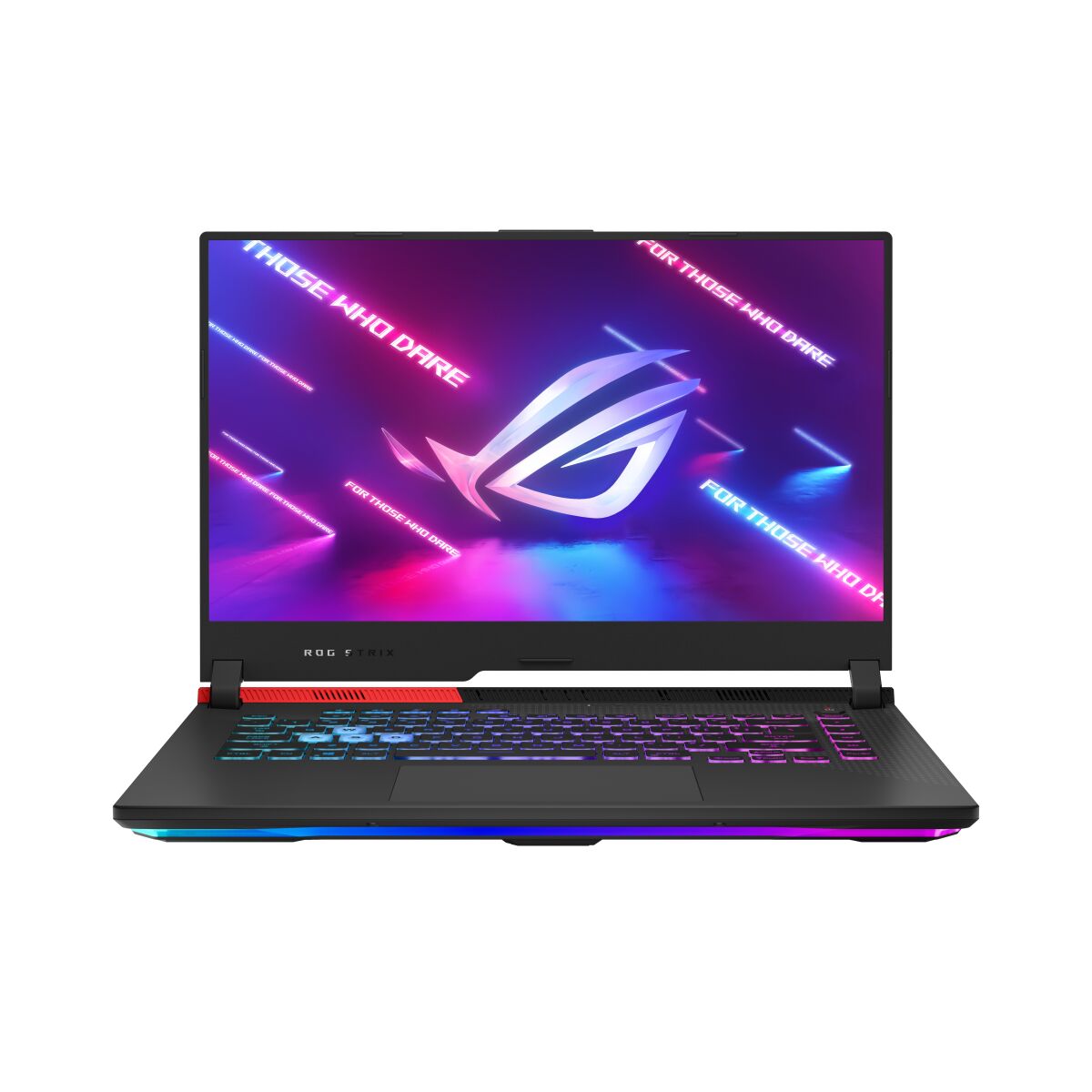



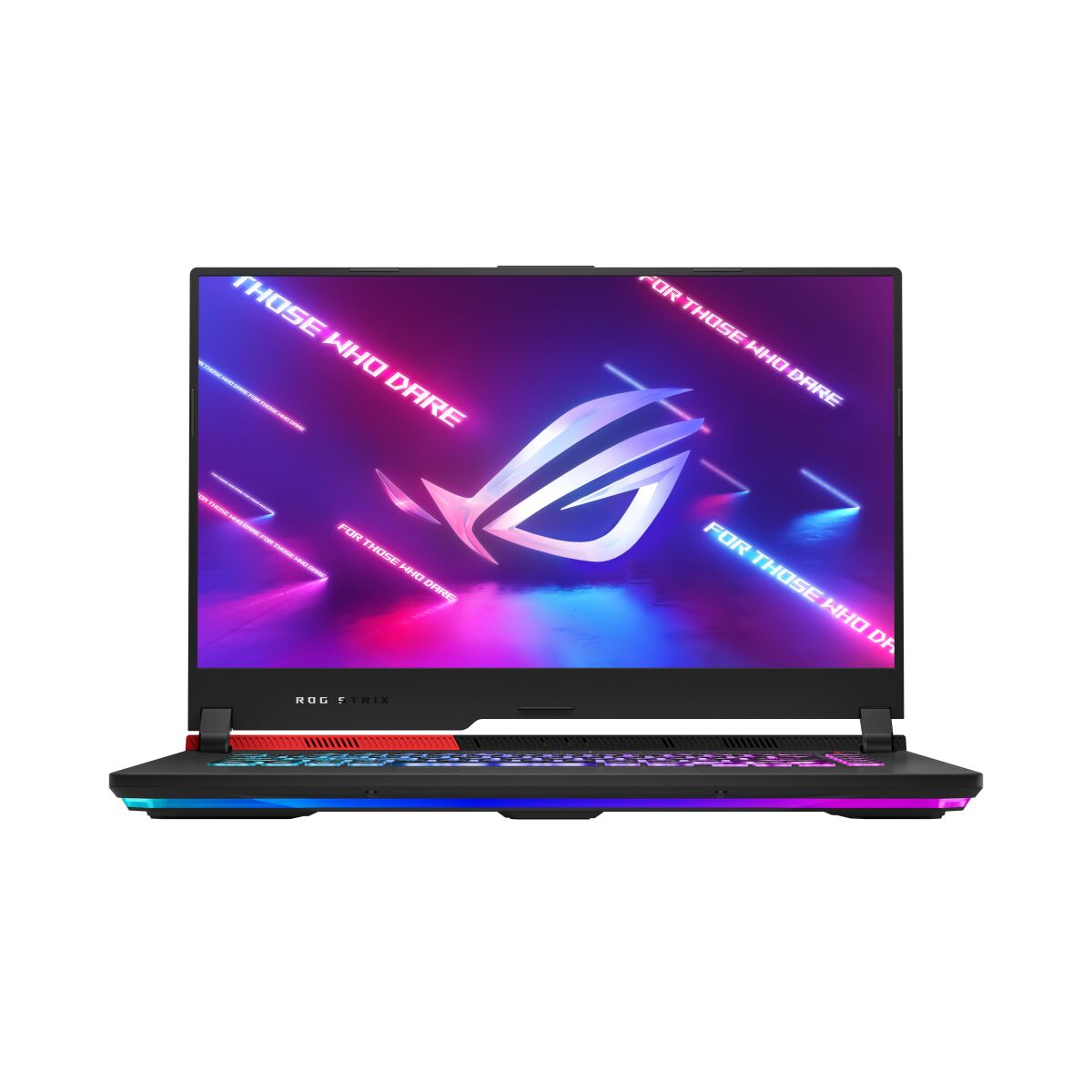
ASUS ROG Strix G15 model G513QC-HN008T memory upgrade specifications include two SO-DIMM slots supporting DDR4-SDRAM memory. Maximum RAM capacity reaches 32 GB total, with compatible memory operating at 3200 MHz frequency. This laptop memory configuration provides upgrade flexibility through dual-slot architecture for enhanced multitasking and performance capabilities.
Memory Upgrade Specifications
| Specification | Value |
|---|---|
| Memory slots | 2x SO-DIMM |
| Form factor | SO-DIMM |
| Memory type | DDR4-SDRAM |
| Frequency | 3200 MHz |
| Maximum RAM | 32 GB |
| Voltage | 1.2V |
| Number of pins | 260-pin |
| Interface | PC4 |
| PC Speed Rating | PC4-3200 (PC4-25600) |
| Bandwidth | 25.6 GB/s |
| Laptop Release date | 25 May 2021 |
Additional Notes
- The ASUS ROG G513QC-HN008T contains 2 SO-DIMM slots, meaning both slots must be populated to achieve the 32 GB maximum capacity; a single module installation will leave half the memory bandwidth unused.
- DDR4-3200 MHz modules are widely available at consumer pricing, but sourcing matched pairs with identical latency timings reduces potential compatibility issues and ensures symmetric dual-channel operation.
- SO-DIMM form factor modules generate measurably higher operating temperatures than standard DIMM equivalents in laptop thermal environments; thermal headroom may constrain stable frequency overclocking if attempted.
- Populating both slots from empty configuration adds approximately 8-12 watts to total system power draw; battery runtime will decrease proportionally under mixed workloads.
- Third-party DDR4-3200 modules rated above 1.35 volts may trigger BIOS warnings or require manual voltage configuration, though the memory controller typically defaults to JEDEC-safe 1.2 volt operation.
- Existing memory will require full removal to access the second slot; no hot-swap capability exists for sequential upgrades.
- Factory warranty coverage remains intact during RAM upgrades when performed correctly, as SO-DIMM replacement falls within standard user-serviceable operations for this platform generation.