ASUS ROG G513QC-HN005T-BE RAM upgrade specifications
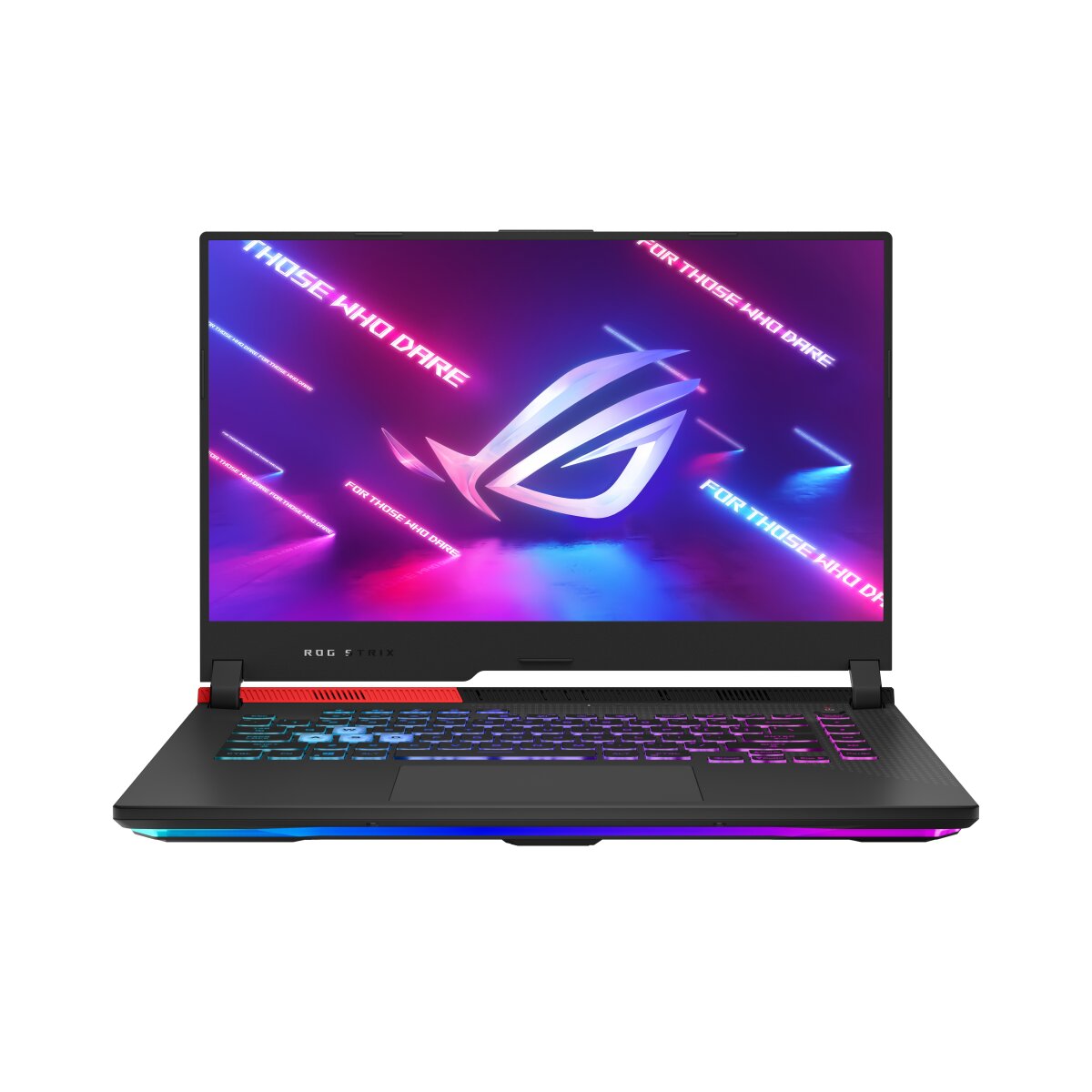
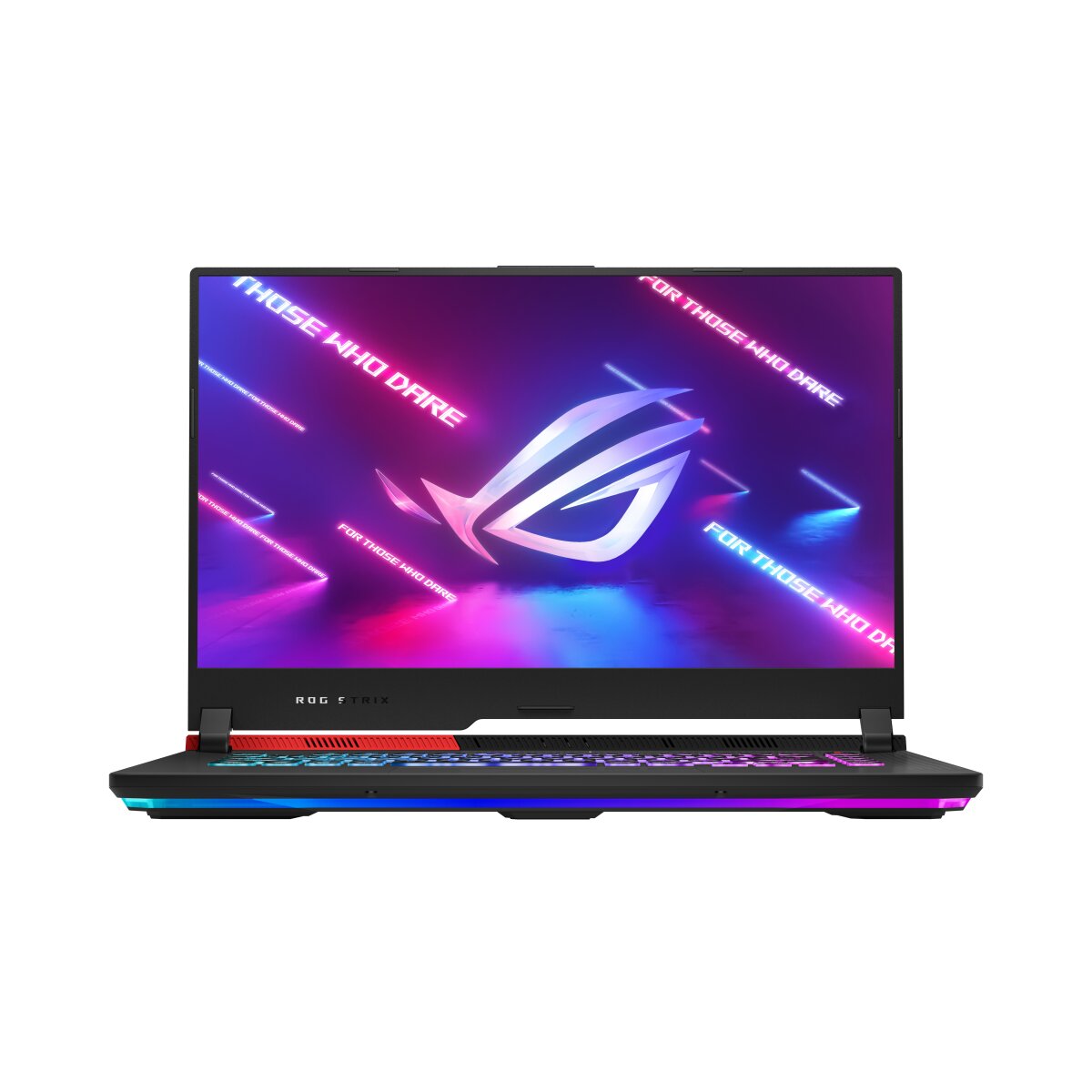
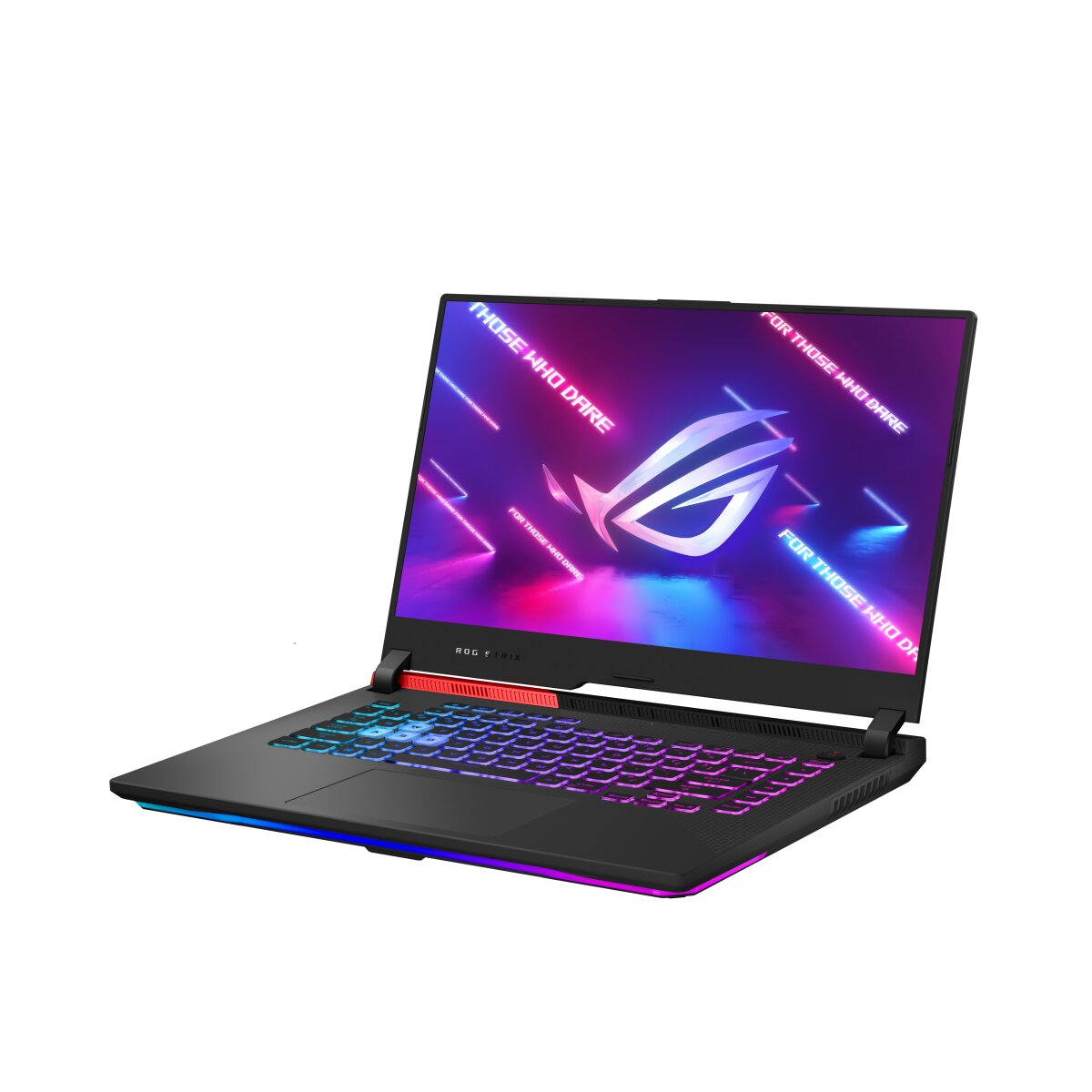
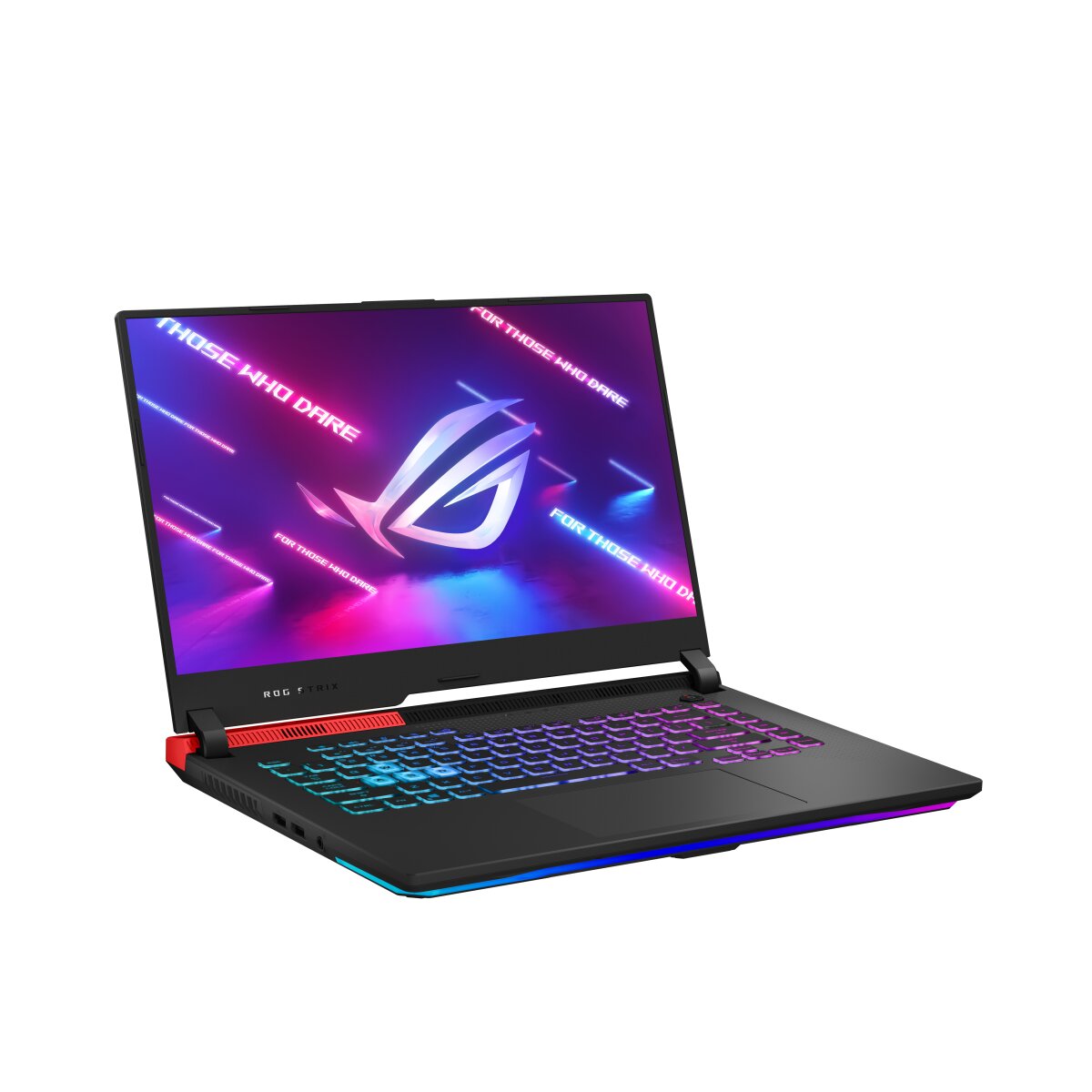
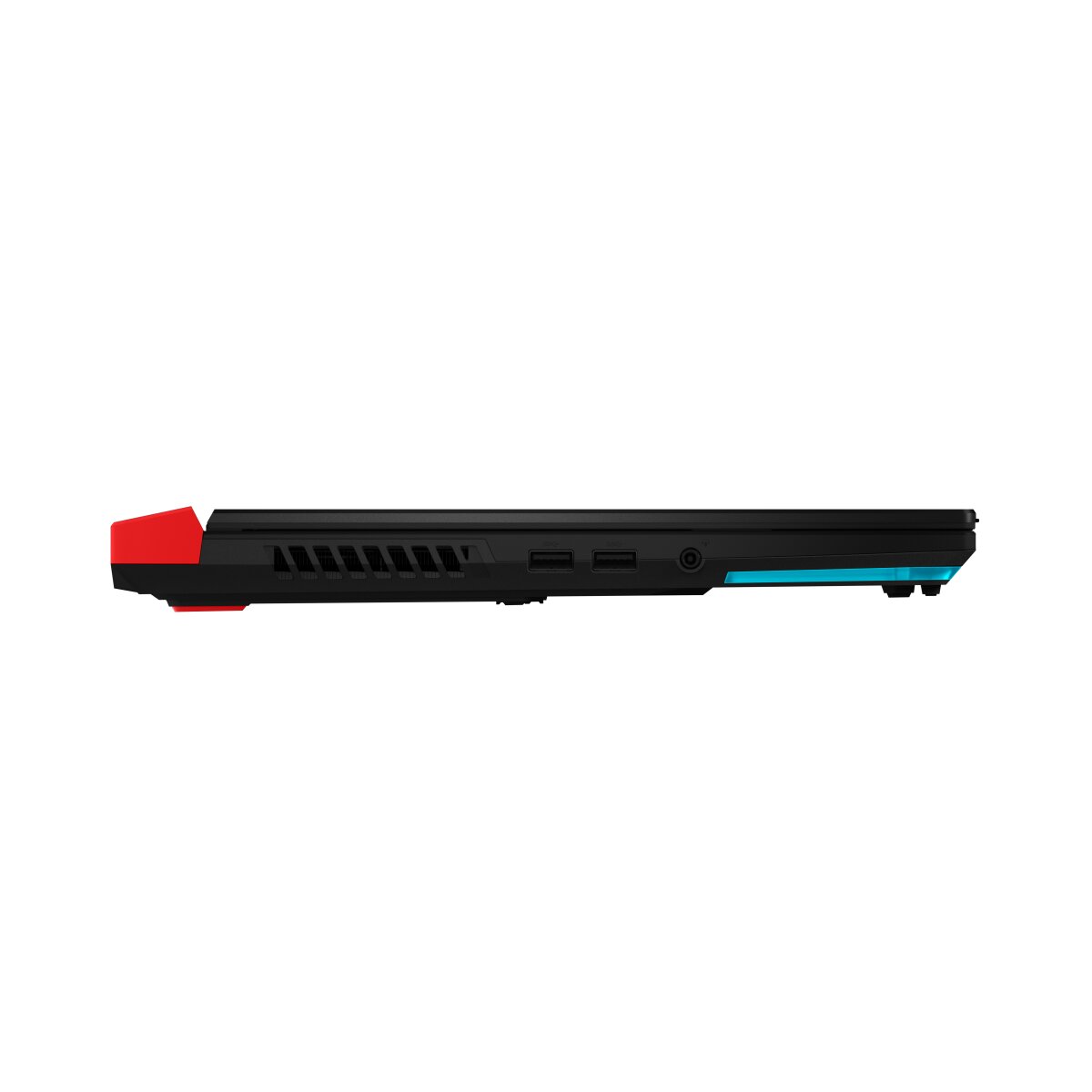
The ASUS ROG Strix G15 G513QC-HN005T-BE features DDR4-SDRAM memory upgrade capabilities with two SO-DIMM slots supporting maximum RAM capacity of 32 GB. The compatible memory specifications include DDR4 modules operating at 3200 MHz frequency. The laptop's memory upgrade slots accommodate SO-DIMM form factor modules. This gaming laptop's memory specifications allow for RAM upgrades to enhance system performance through compatible DDR4-SDRAM modules.
Memory Upgrade Specifications
| Specification | Value |
|---|---|
| Memory slots | 2x SO-DIMM |
| Form factor | SO-DIMM |
| Memory type | DDR4-SDRAM |
| Frequency | 3200 MHz |
| Maximum RAM | 32 GB |
| Voltage | 1.2V |
| Number of pins | 260-pin |
| Interface | PC4 |
| PC Speed Rating | PC4-3200 (PC4-25600) |
| Bandwidth | 25.6 GB/s |
| Laptop Release date | 13 July 2021 |
Additional Notes
- The ASUS ROG G513QC-HN005T-BE contains 2 SO-DIMM slots with a 32 GB ceiling, meaning each individual module cannot exceed 16 GB to reach maximum capacity.
- DDR4-3200 memory operates at a fixed frequency; upgrading with faster DDR4 modules (3600 MHz or higher) will downclock to 3200 MHz, delivering no performance gain and incurring unnecessary expense.
- SO-DIMM form factor is exclusive to laptop designs; desktop DDR4 UDIMM modules are physically incompatible and cannot be installed regardless of capacity or speed matching.
- Dual-channel operation requires paired capacity configurations; installing a single 16 GB module leaves the second slot empty, reducing memory bandwidth throughput by approximately 50 percent compared to 2x16 GB setup.
- The 32 GB ceiling on this model predates the widespread DDR4-SODIMM 32 GB module availability; manufacturer BIOS may not officially recognize or reliably support single 32 GB SO-DIMM modules despite theoretical compatibility.
- SO-DIMM modules generate measurably higher thermal density per gigabyte than standard UDIMM counterparts; extended operation above 3200 MHz frequencies in a compact laptop chassis may trigger thermal throttling or require active memory cooling solutions.