ASUS ROG G513QC-HN005T RAM upgrade specifications
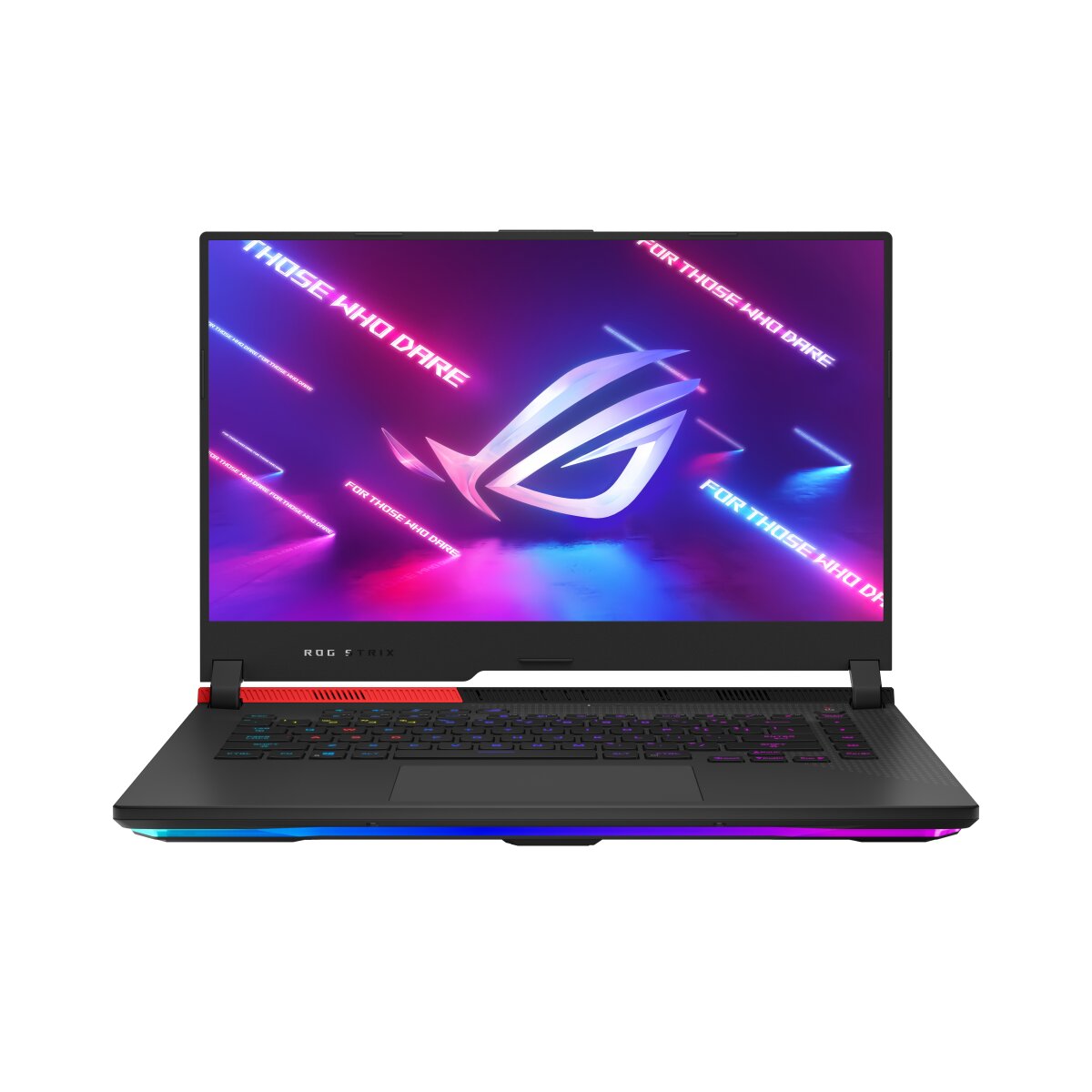




ASUS ROG Strix G15 G513QC-HN005T gaming laptop features DDR4-SDRAM memory upgrade capacity with two SO-DIMM slots for expansion. Maximum RAM upgrade reaches 32 GB total capacity. Memory specifications require DDR4 modules operating at 3200 MHz frequency. Compatible RAM upgrades utilize SO-DIMM form factor standard for laptop memory installations. Specifications support memory expansion through dual slot configuration for enhanced multitasking and performance capabilities.
Memory Upgrade Specifications
| Specification | Value |
|---|---|
| Memory slots | 2x SO-DIMM |
| Form factor | SO-DIMM |
| Memory type | DDR4-SDRAM |
| Frequency | 3200 MHz |
| Maximum RAM | 32 GB |
| Voltage | 1.2V |
| Number of pins | 260-pin |
| Interface | PC4 |
| PC Speed Rating | PC4-3200 (PC4-25600) |
| Bandwidth | 25.6 GB/s |
| Laptop Release date | 17 September 2021 |
Additional Notes
- The ASUS ROG G513QC-HN005T supports DDR4 modules running at 3200 MHz, meaning slower RAM will be downclocked and faster modules cannot exceed this speed limit due to platform constraints.
- SO-DIMM form factor restricts compatibility to laptop-specific memory modules, as standard desktop DIMM modules are physically incompatible with the slot design.
- The 32 GB maximum capacity indicates a per-slot limit of 16 GB, preventing the installation of higher-density 24 GB or 32 GB modules even if physically compatible.
- Dual-channel operation requires matched module pairs for optimal memory bandwidth, as mismatched capacities or speeds will force the system to operate in single-channel mode or at the lower speed.
- Accessing both SO-DIMM slots typically requires bottom panel removal, which may void warranty seals depending on regional support policies.
- DDR4 voltage specifications limit compatible modules to 1.2V standard variants, as higher-voltage XMP/overclocked modules may cause stability issues or fail to boot.
- The 3200 MHz frequency represents JEDEC standard operation rather than overclocked speeds, ensuring broad compatibility with third-party modules.
- Memory upgrades beyond 32 GB total capacity will either fail to POST or only recognize the maximum supported amount, rendering additional capacity inaccessible.
- Single-rank versus dual-rank module configuration affects latency characteristics at identical speeds, with dual-rank typically providing slight performance advantages in bandwidth-sensitive workloads.