ASUS ROG G513QC-HF132T RAM upgrade specifications
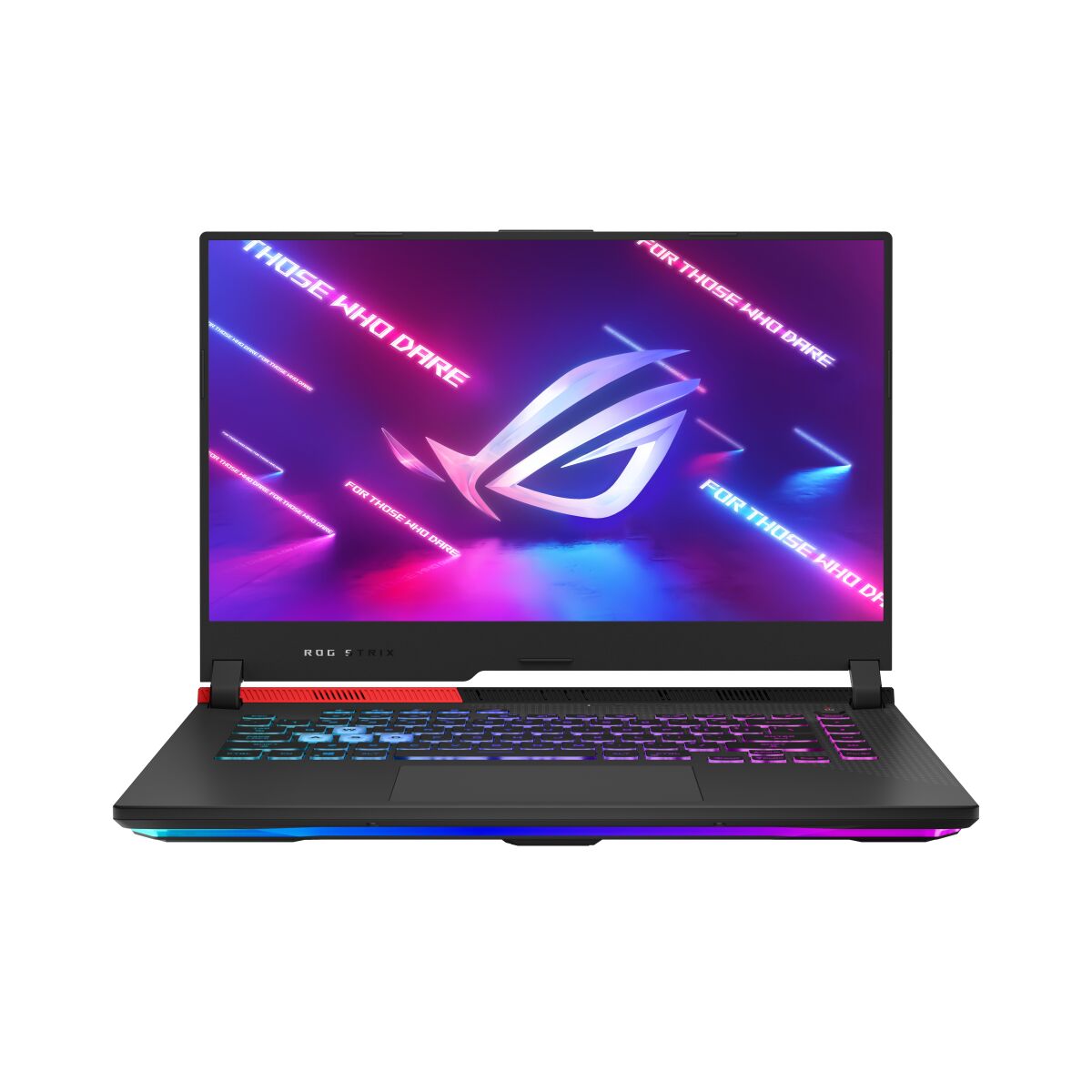

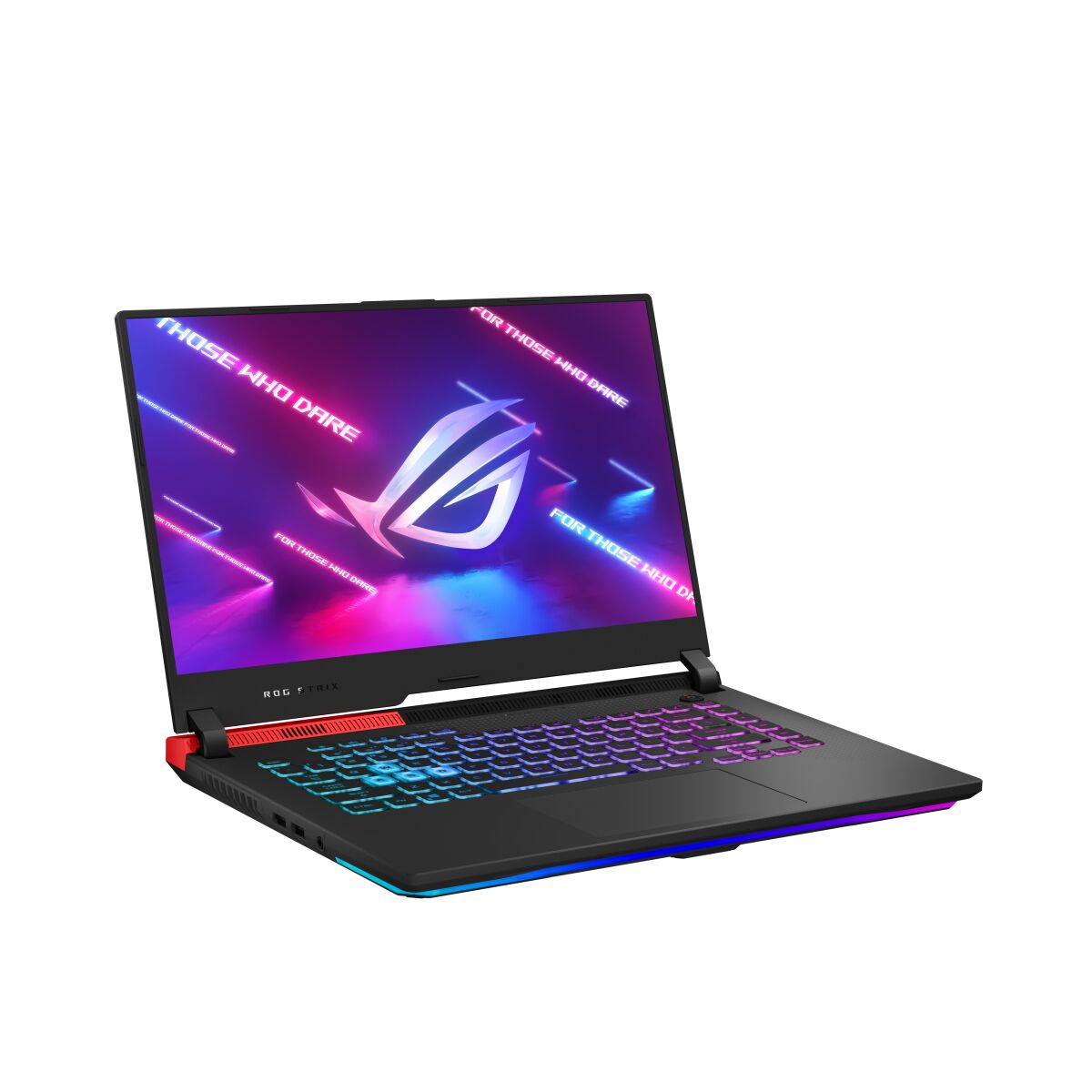
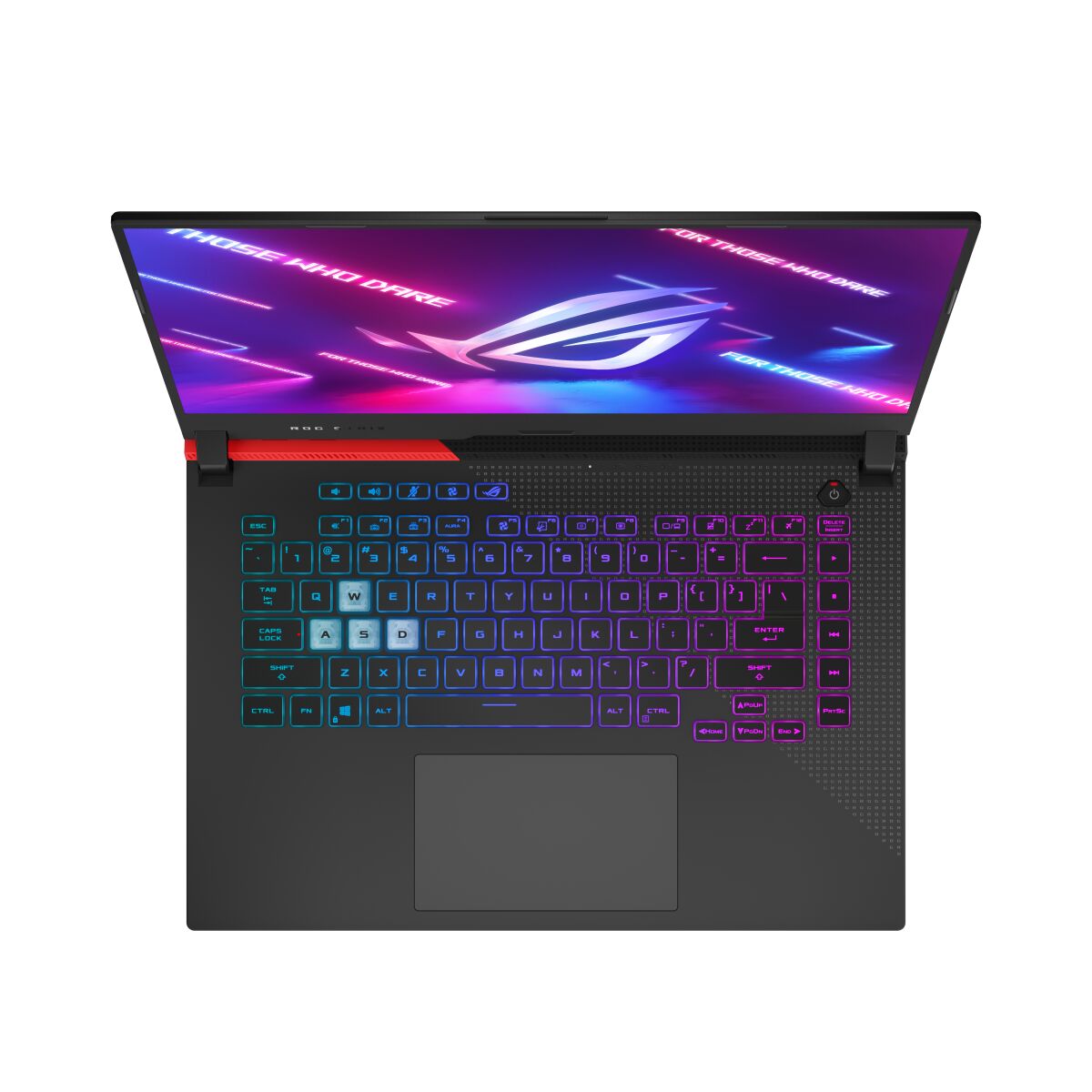
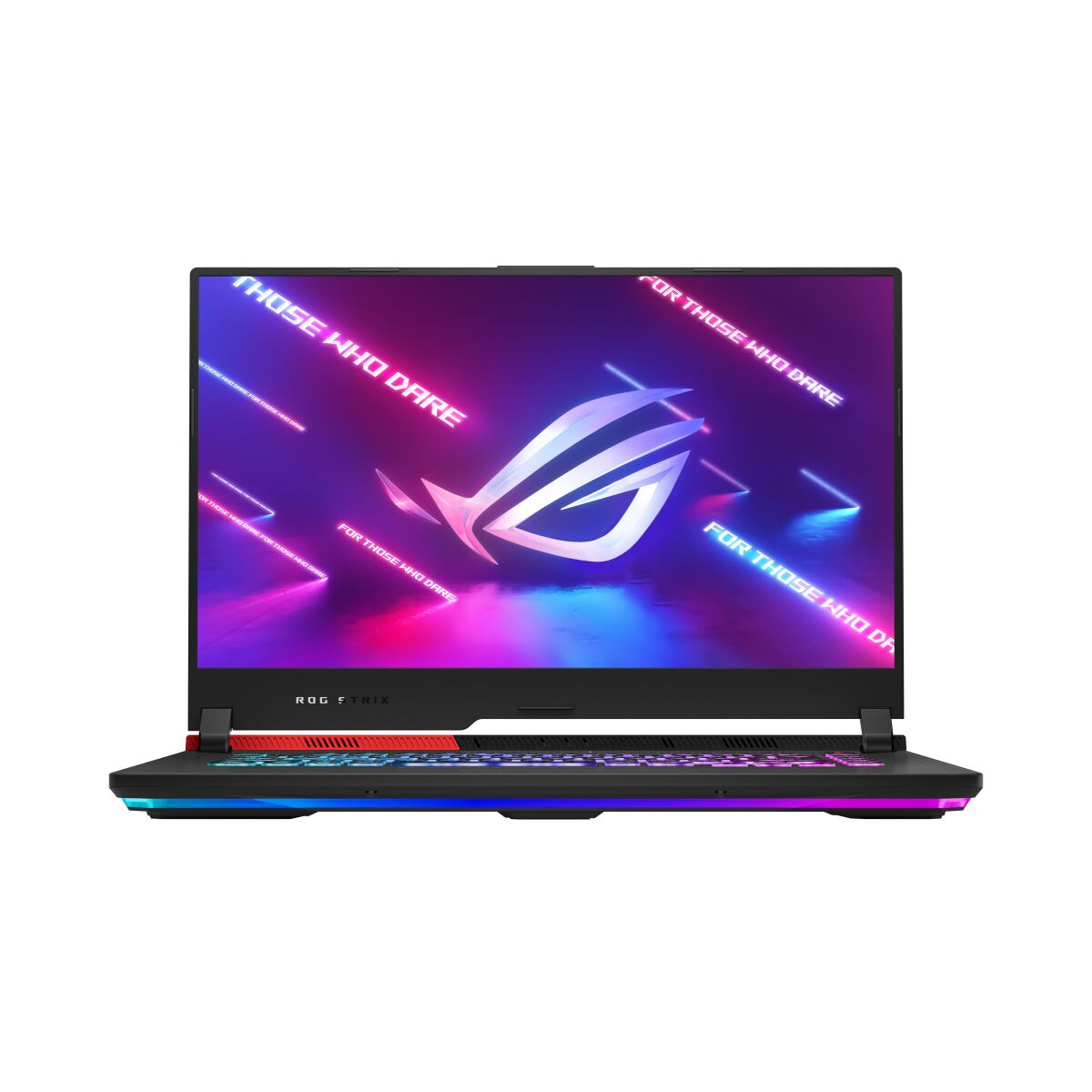
The ASUS ROG Strix G15 G513QC-HF132T laptop features DDR4-SDRAM memory upgrade capabilities. The system includes 2x SO-DIMM slots supporting maximum RAM capacity of 32 GB. Compatible memory modules operate at 3200 MHz frequency. Specifications indicate SO-DIMM form factor for memory installation. Upgrade options allow for expansion within the maximum capacity constraints of the G513QC-HF132T model.
Memory Upgrade Specifications
| Specification | Value |
|---|---|
| Memory slots | 2x SO-DIMM |
| Form factor | SO-DIMM |
| Memory type | DDR4-SDRAM |
| Frequency | 3200 MHz |
| Maximum RAM | 32 GB |
| Voltage | 1.2V |
| Number of pins | 260-pin |
| Interface | PC4 |
| PC Speed Rating | PC4-3200 (PC4-25600) |
| Bandwidth | 25.6 GB/s |
| Laptop Release date | 07 February 2022 |
Additional Notes
- The ASUS ROG G513QC-HF132T motherboard architecture limits total system memory to 32 GB, preventing future expansion beyond this threshold regardless of module availability.
- DDR4-SDRAM operates at 1.2 volts standard, ensuring compatibility with DDR4 modules rated at both 1.2V and lower-voltage variants without voltage regulation conflicts.
- The 3200 MHz frequency represents the maximum validated speed for this configuration, meaning modules rated at higher frequencies will downclock to this baseline.
- Dual-channel architecture requires matched pairs for optimal memory bandwidth, as mismatched modules force single-channel operation with approximately 50% bandwidth reduction.
- SO-DIMM physical dimensions mandate laptop-specific modules, as standard DIMM desktop memory remains mechanically incompatible despite electrical similarity.
- Population of both slots with 16 GB modules achieves the 32 GB ceiling, eliminating future capacity upgrades without replacing existing modules.
- Memory timing variations between manufacturers may cause stability issues in mixed-brand configurations, though JEDEC standard timings provide baseline compatibility.
- The 3200 MHz specification indicates DDR4-3200 or PC4-25600 module requirements, with lower-speed modules functional but underutilizing bandwidth potential.
- Warranty preservation typically permits user-accessible memory upgrades, though verification of specific regional warranty terms prevents inadvertent coverage voiding.
- Rank configuration affects compatibility, as mixing single-rank and dual-rank modules can trigger POST failures or force conservative timing adjustments.
- Heat spreader presence on aftermarket modules may create clearance conflicts with keyboard assemblies or thermal solutions in compact laptop chassis designs.