ASUS ROG G513QM-HF246 RAM upgrade specifications
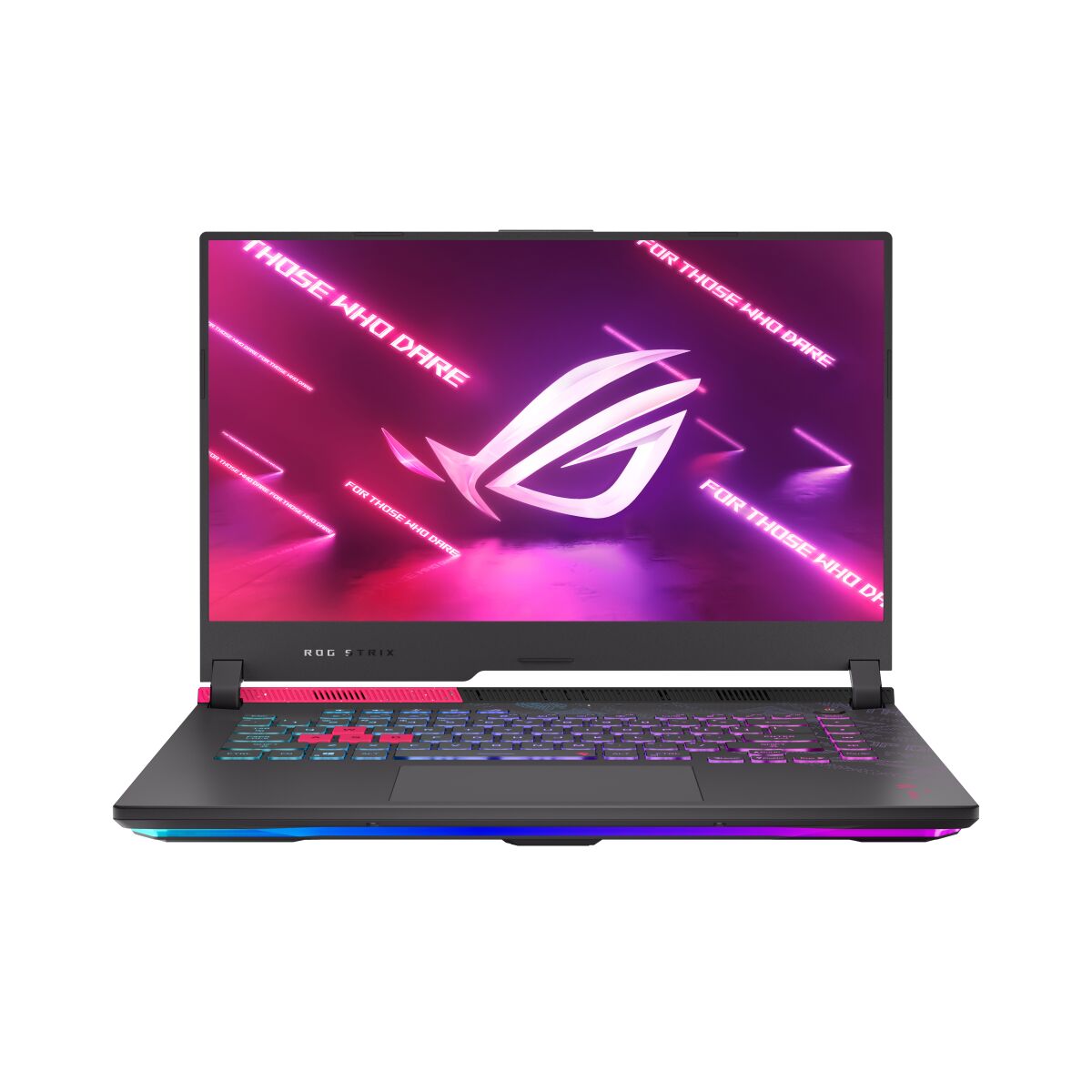
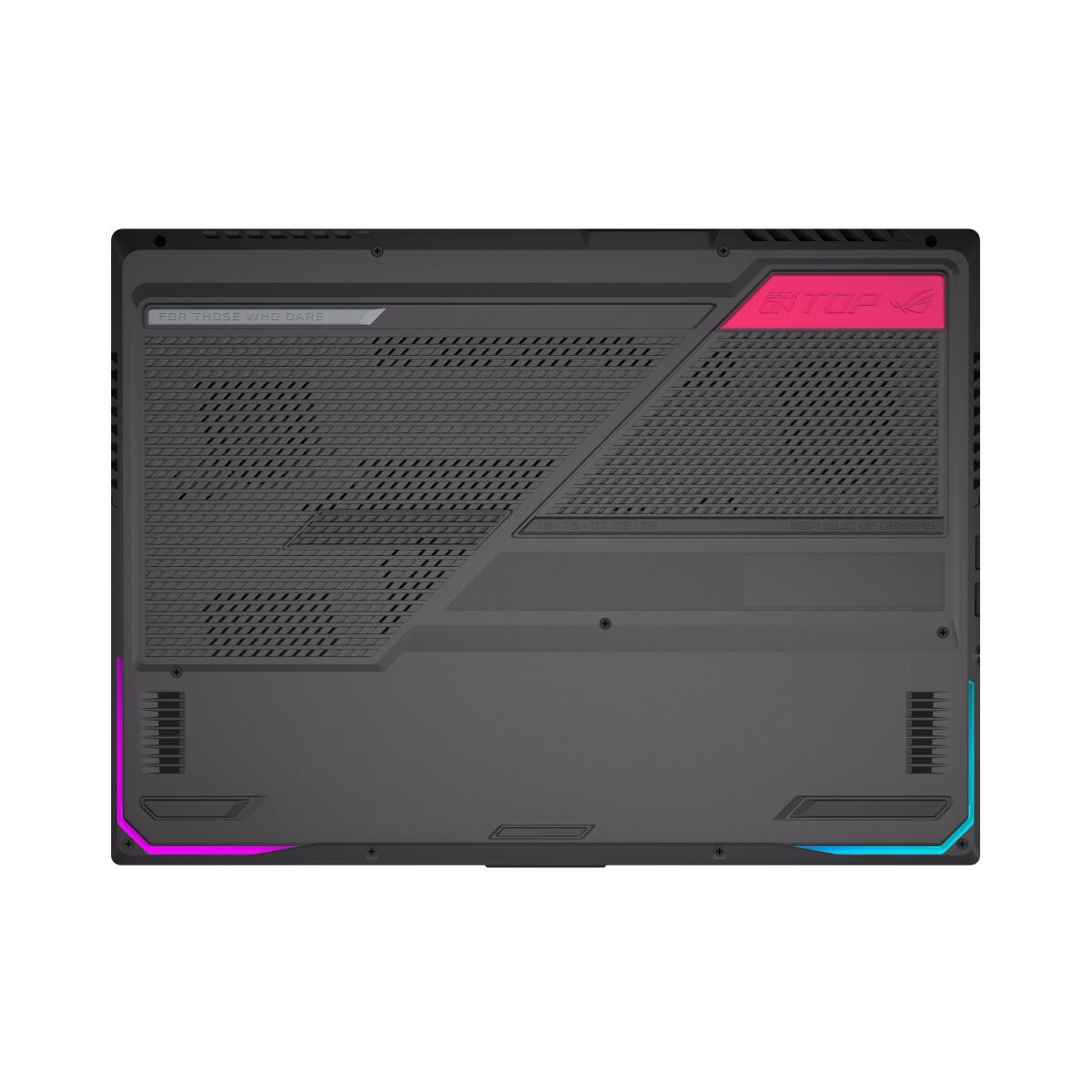
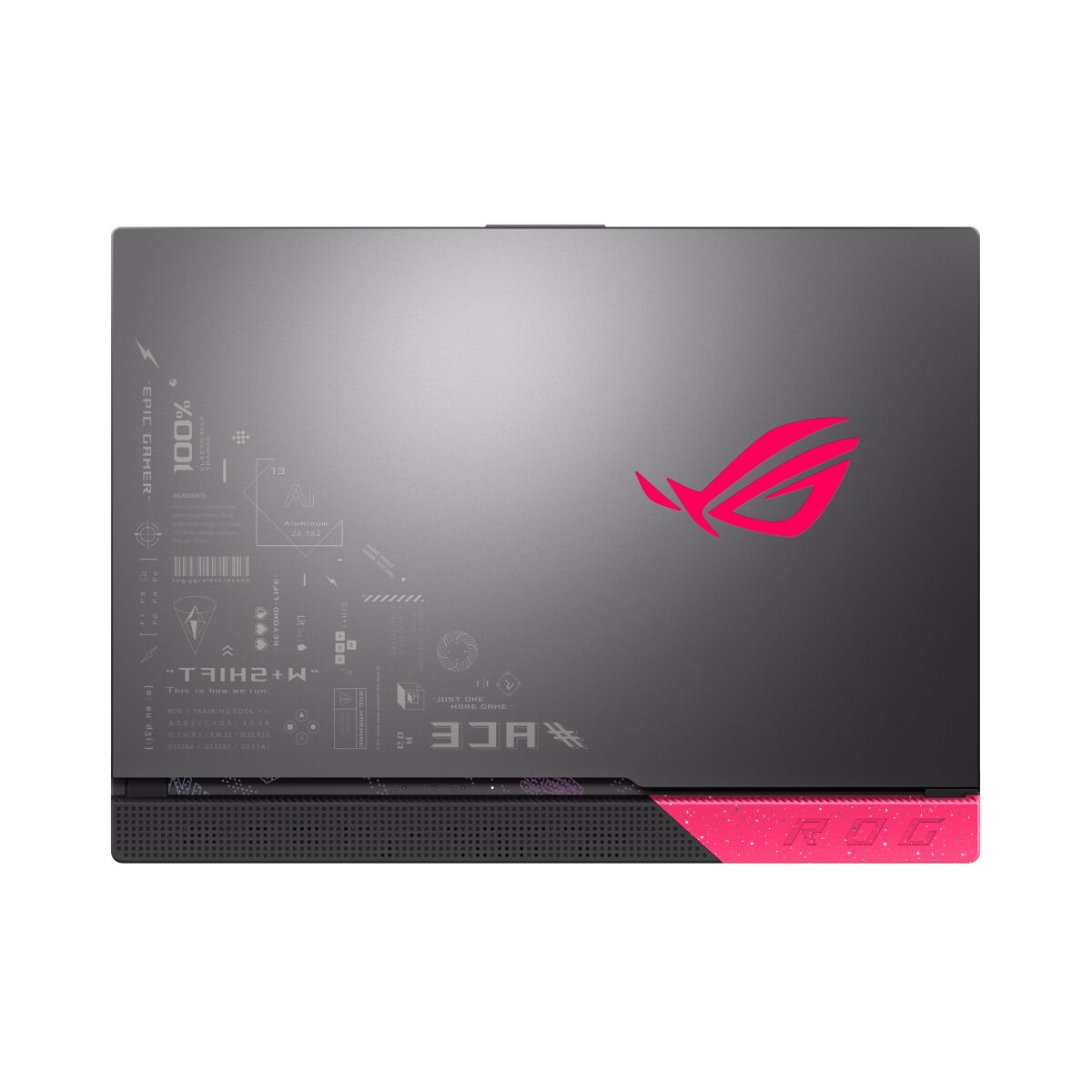
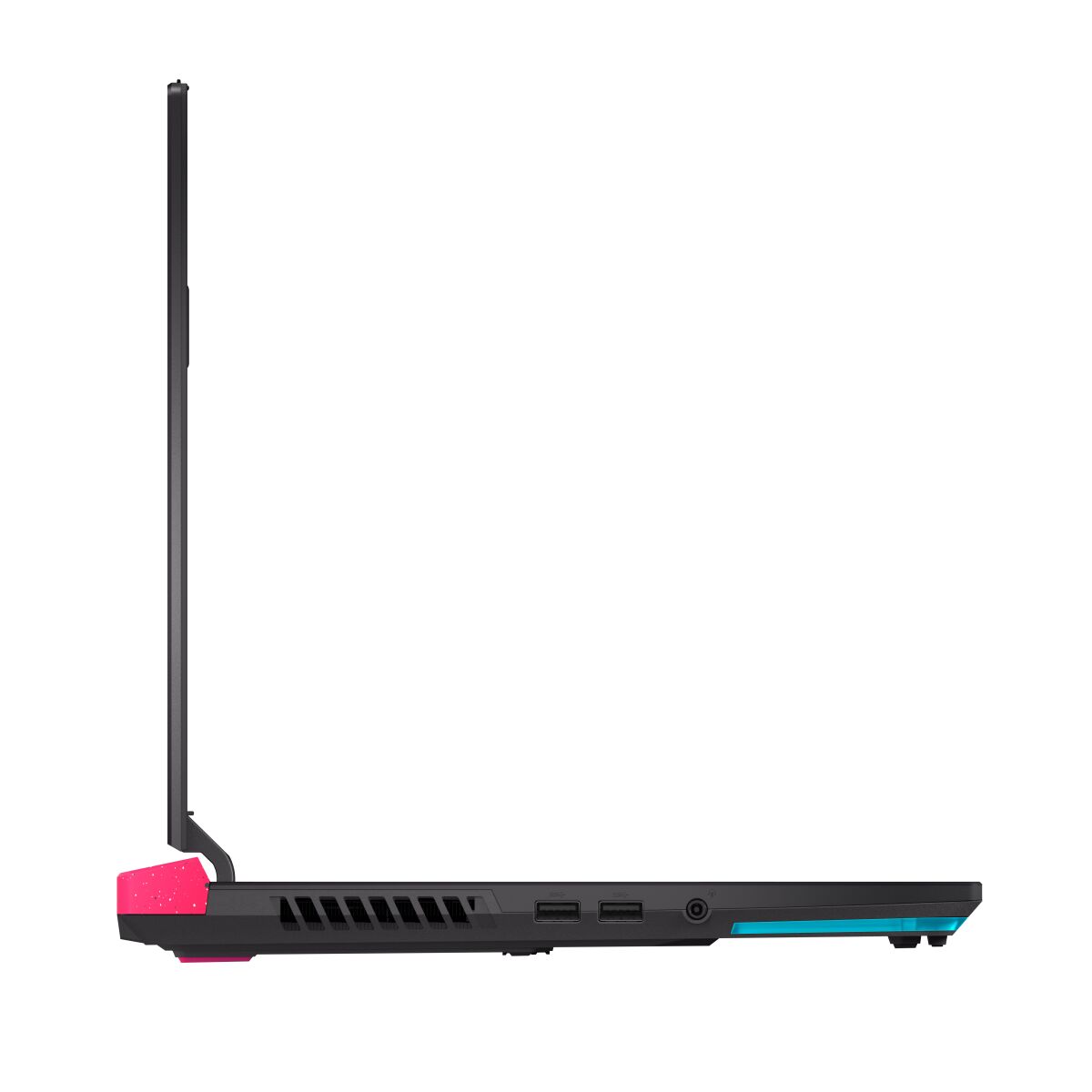
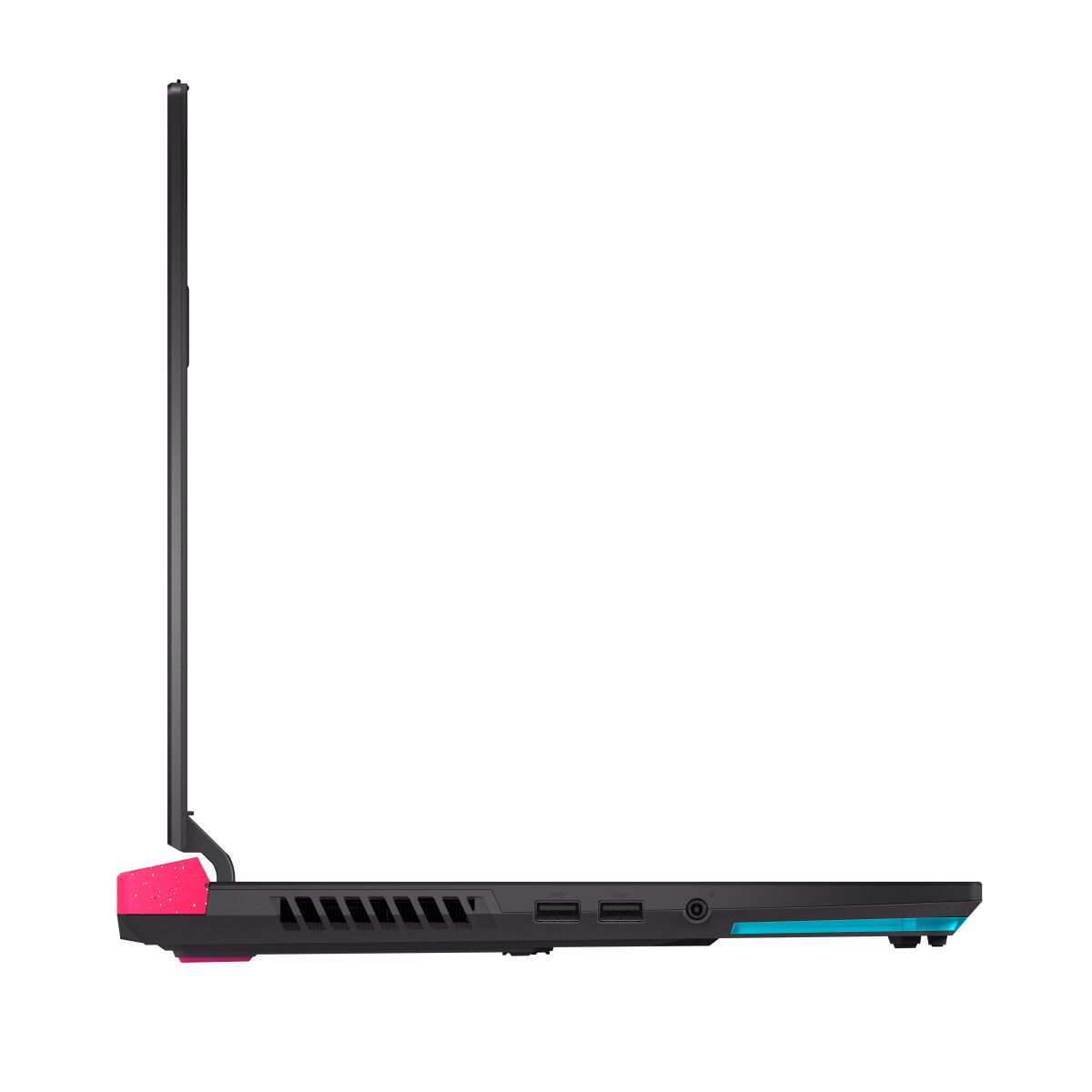
The ASUS ROG Strix G15 G513QM-HF246 features DDR4-SDRAM memory upgrade capabilities with two SO-DIMM slots supporting maximum capacity of 32 GB total. Compatible memory operates at 3200 MHz frequency specifications. The laptop accommodates SO-DIMM form factor RAM modules for upgrade configurations. These specifications define the maximum memory upgrade path for the G513QM-HF246 model.
Memory Upgrade Specifications
| Specification | Value |
|---|---|
| Memory slots | 2x SO-DIMM |
| Form factor | SO-DIMM |
| Memory type | DDR4-SDRAM |
| Frequency | 3200 MHz |
| Maximum RAM | 32 GB |
| Voltage | 1.2V |
| Number of pins | 260-pin |
| Interface | PC4 |
| PC Speed Rating | PC4-3200 (PC4-25600) |
| Bandwidth | 25.6 GB/s |
| Laptop Release date | 26 January 2021 |
Additional Notes
- The ASUS ROG G513QM-HF246 supports dual-channel memory architecture, enabling full bandwidth utilization only when both SO-DIMM slots contain matched capacity modules. Single-slot population reduces effective memory throughput by 50 percent.
- DDR4-3200 operation depends on BIOS configuration and chipset support validation. Non-JEDEC frequency profiles may require manual timing adjustment to achieve rated speeds; systems shipped with lower default frequencies necessitate BIOS updates or manual overclocking to reach 3200 MHz stability.
- The 32 GB capacity ceiling constrains long-term multitasking scenarios involving parallel virtual machines, large dataset processing, or content creation workloads. Upgrading beyond 2 modules is physically impossible due to the 2-slot limitation.
- SO-DIMM form factor restricts component selection to laptop-specific modules. Consumer-grade desktop DDR4 DIMMs are physically incompatible and will not seat. Sourcing must specify SO-DIMM variants explicitly to avoid purchasing errors.
- Warranty implications vary by manufacturer policy. OEM memory replacement typically remains covered under standard terms, while mixed-speed or mismatched-capacity configurations may void coverage if the system experiences stability issues. Retailers often require proof of compatibility before accepting returns on memory modules.
- Upgrade installations do not require specialized tools beyond electrostatic discharge precautions. Latency between populated slots introduces asymmetric performance if capacities remain unmatched (e.g., 8 GB plus 16 GB configuration), though the system remains stable.