ASUS ROG G513QM-HF070T-BE RAM upgrade specifications
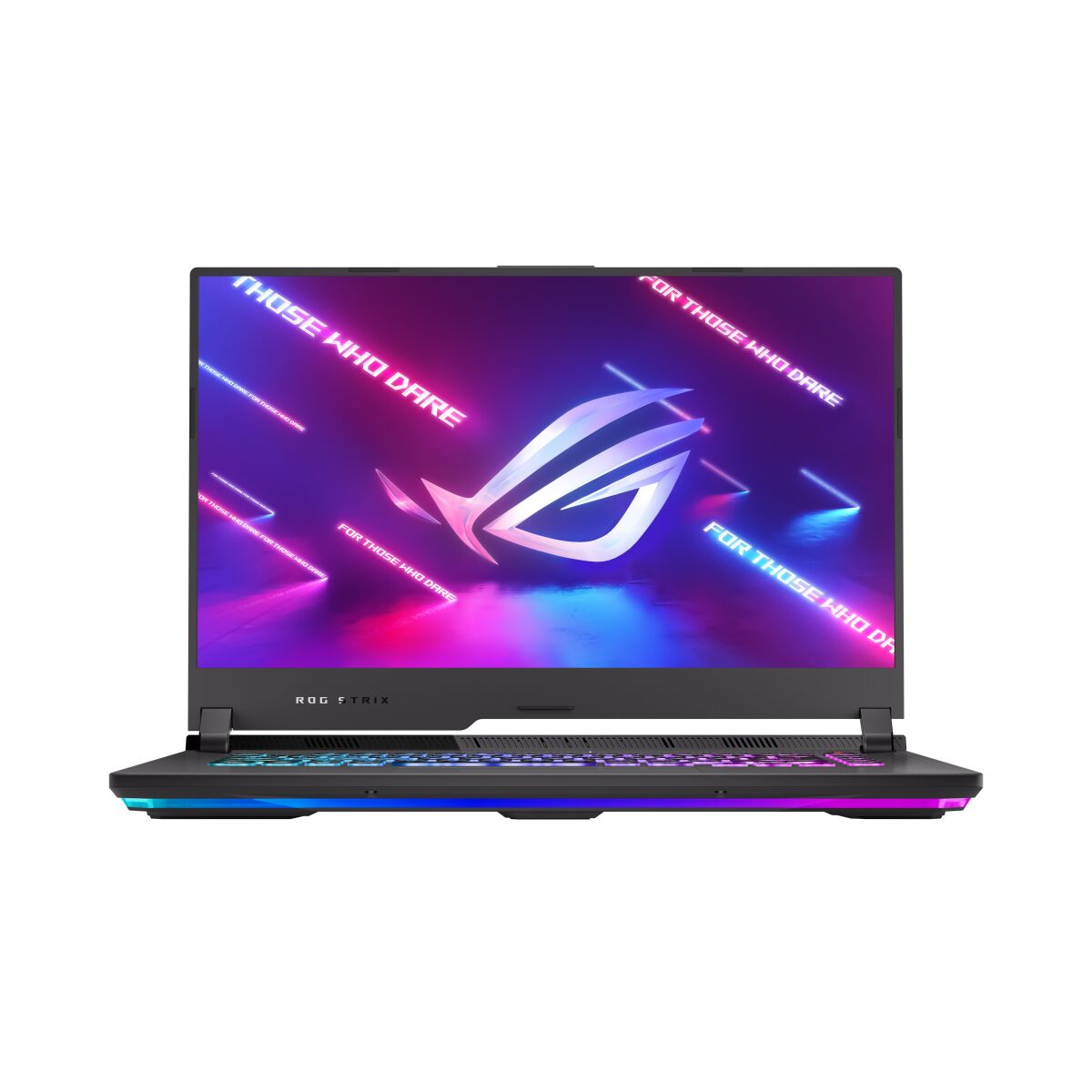
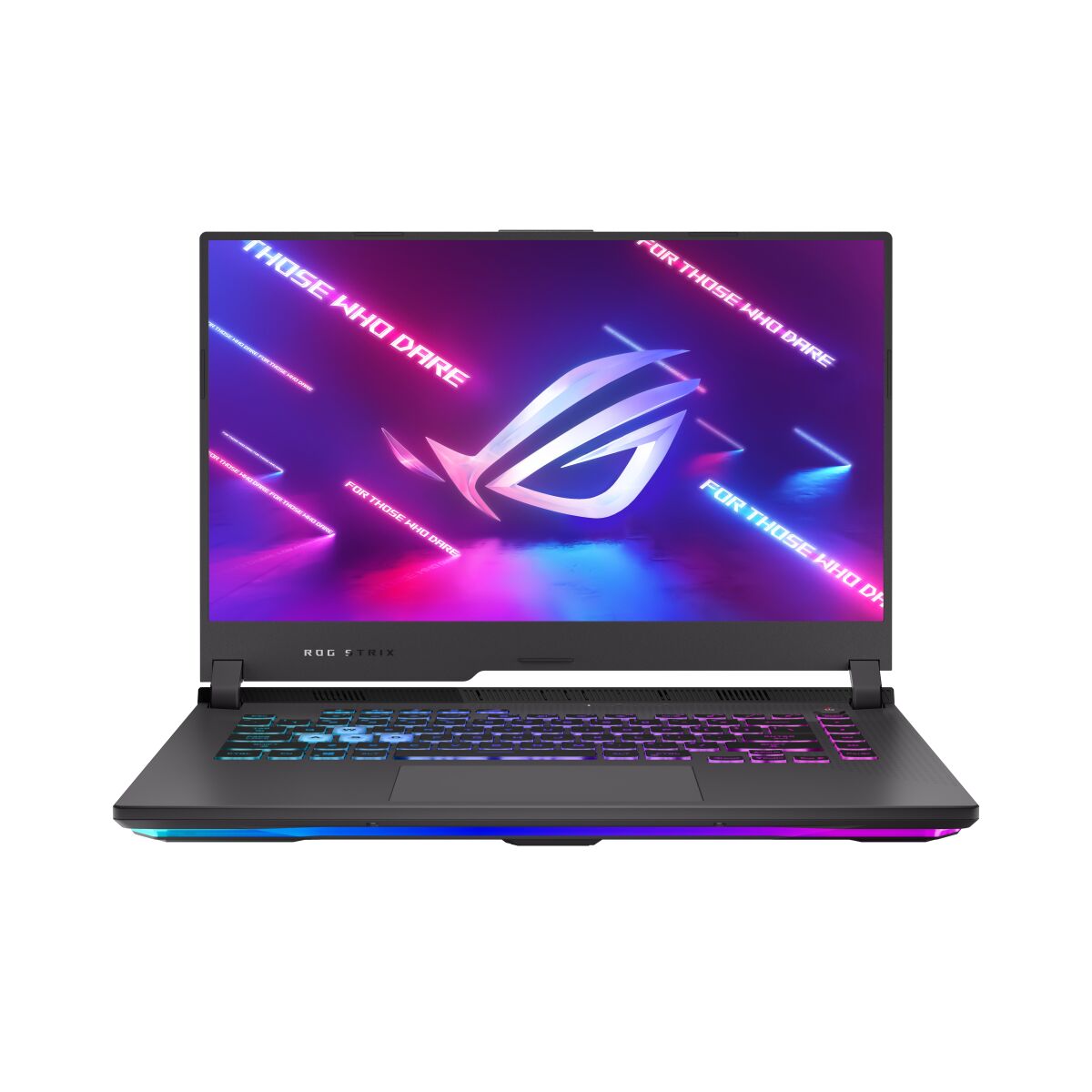
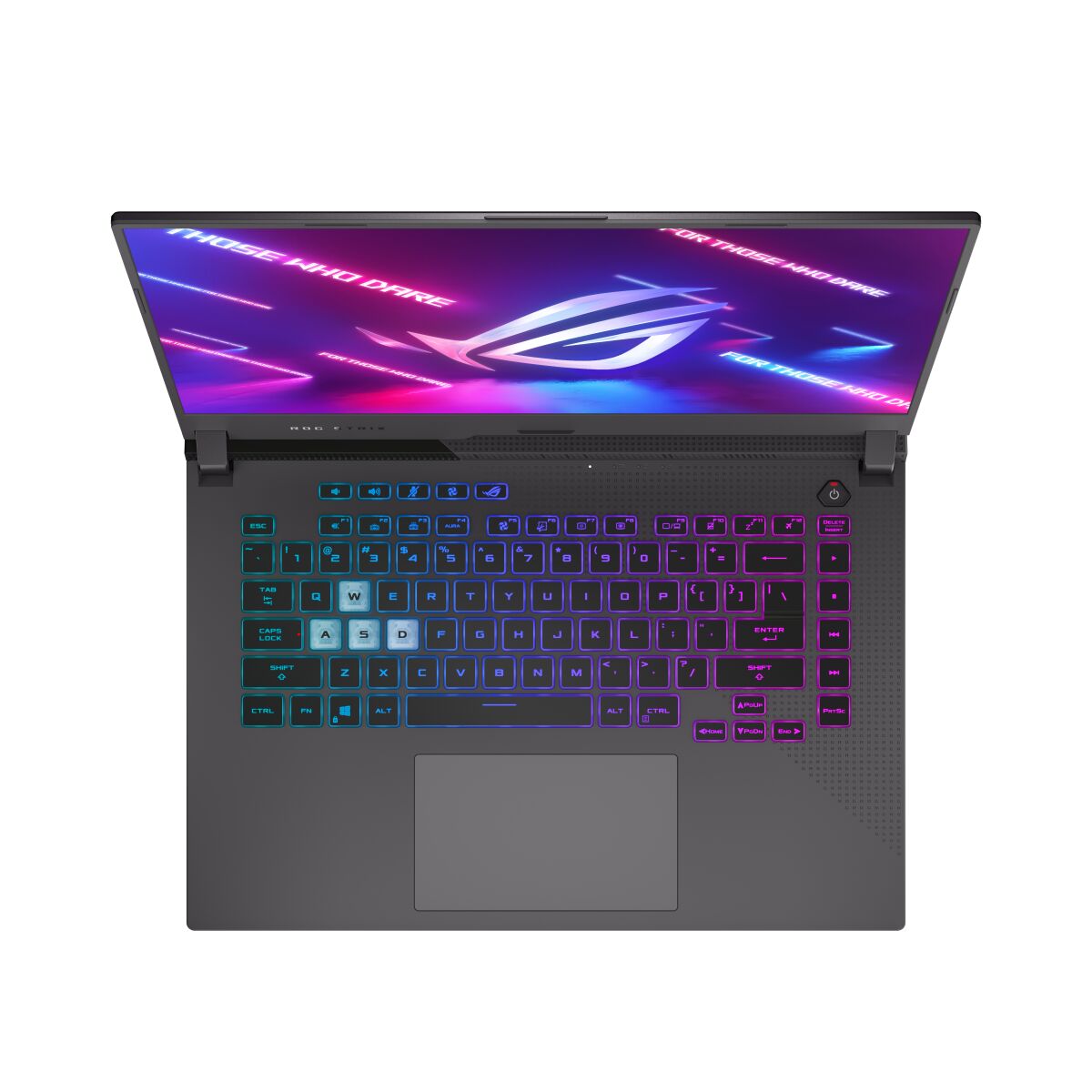
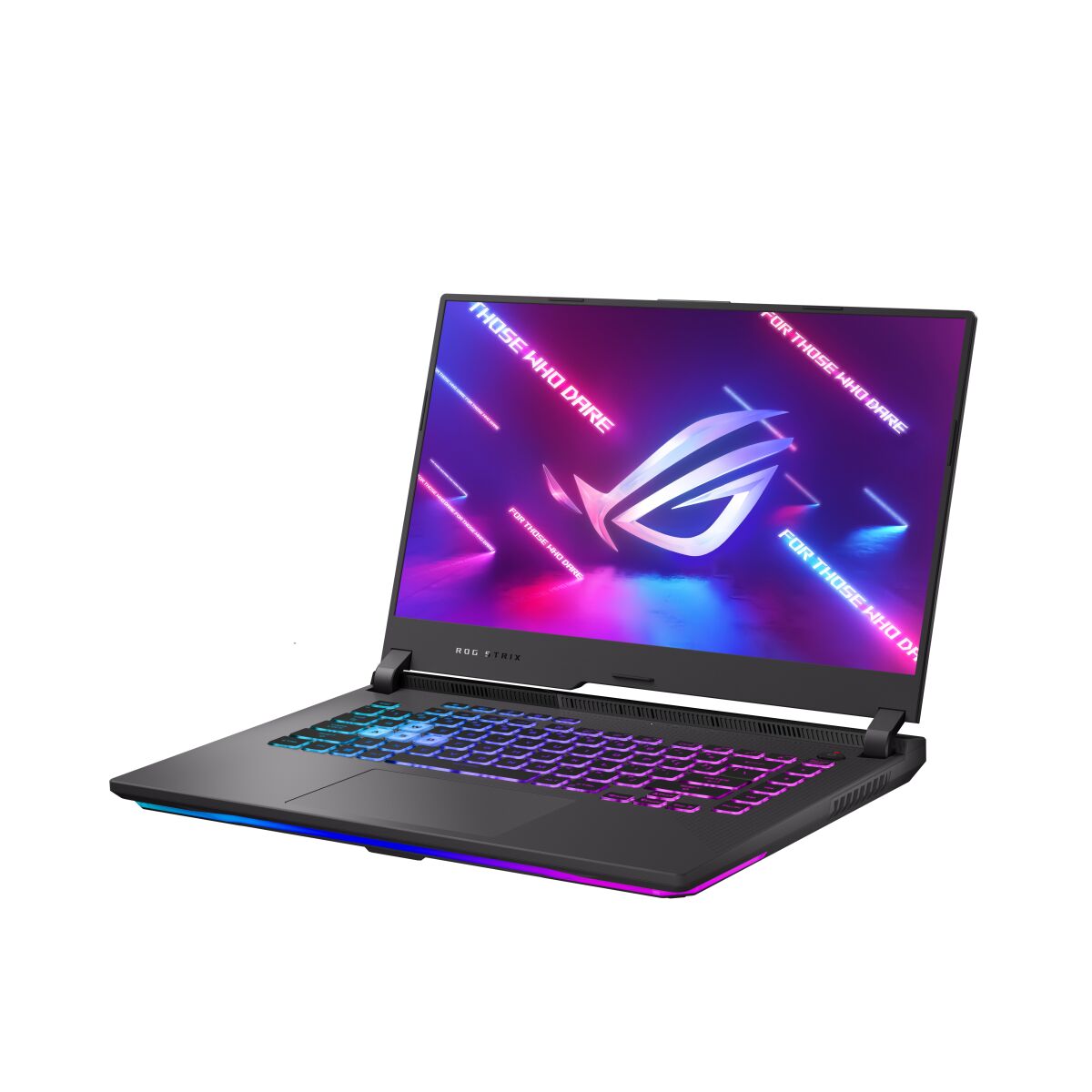
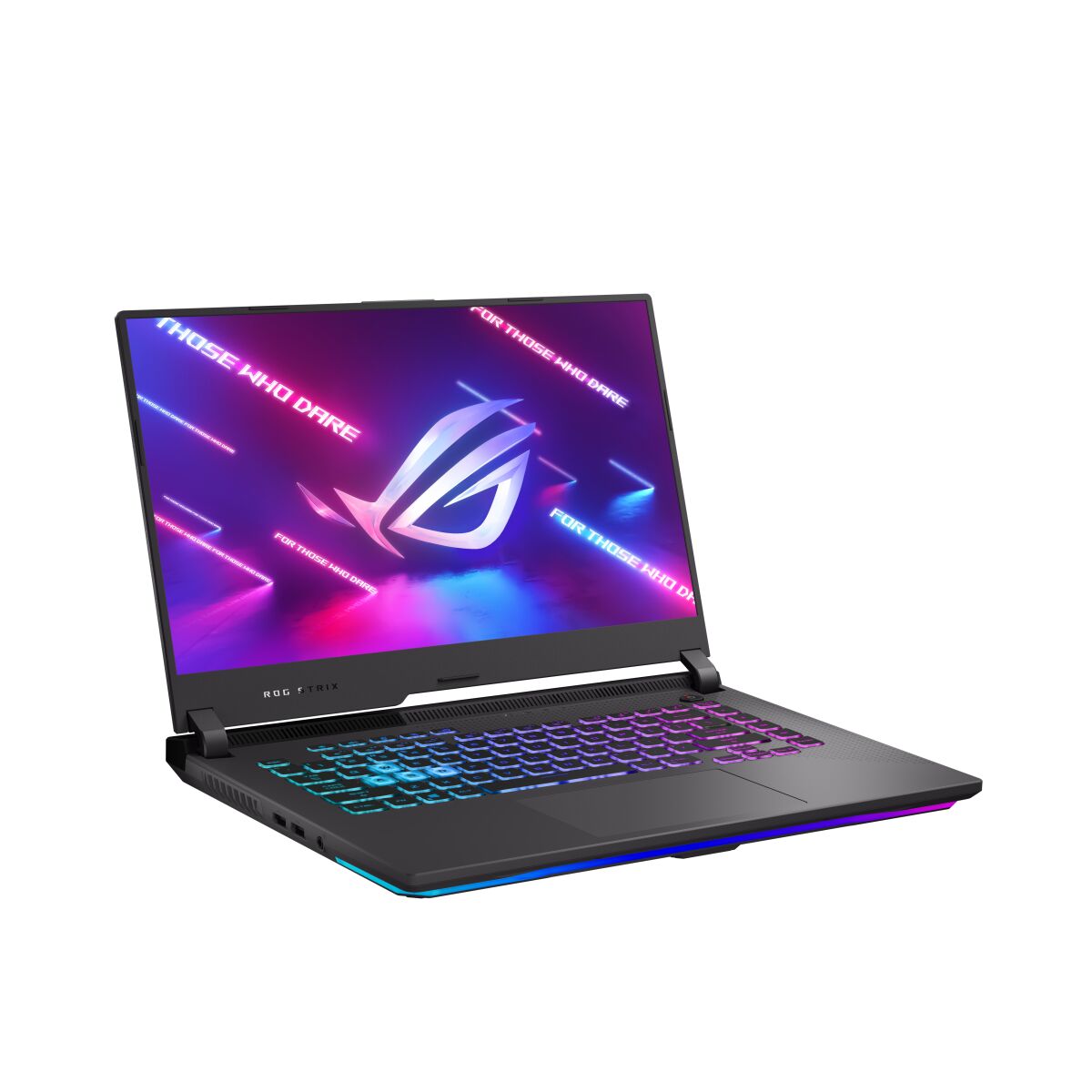
ASUS ROG Strix G15 model G513QM-HF070T-BE features DDR4-SDRAM memory upgrade specifications with two SO-DIMM slots supporting maximum RAM capacity of 32 GB. Compatible memory operates at 3200 MHz frequency. Upgrade slots accommodate SO-DIMM form factor modules. Maximum total memory capacity reaches 32 GB through dual slot configuration. Specifications indicate DDR4 technology compatibility for this gaming laptop model.
Memory Upgrade Specifications
| Specification | Value |
|---|---|
| Memory slots | 2x SO-DIMM |
| Form factor | SO-DIMM |
| Memory type | DDR4-SDRAM |
| Frequency | 3200 MHz |
| Maximum RAM | 32 GB |
| Voltage | 1.2V |
| Number of pins | 260-pin |
| Interface | PC4 |
| PC Speed Rating | PC4-3200 (PC4-25600) |
| Bandwidth | 25.6 GB/s |
| Laptop Release date | 17 May 2021 |
Additional Notes
- The 32 GB ceiling reflects chipset or motherboard limitations rather than current module availability, as individual 32 GB SO-DIMM modules exist but cannot be utilized in this ASUS ROG G513QM-HF070T-BE configuration.
- DDR4-3200 represents the maximum official speed supported, meaning DDR4-3600 or faster modules will downclock to 3200 MHz without providing performance benefits.
- Dual SO-DIMM slots with no soldered memory enable complete replacement of factory modules, preserving warranty coverage when using compatible specifications.
- Dual-channel architecture requires matched pairs for optimal memory bandwidth, as mismatched capacities or speeds force operation at the lower specification across both slots.
- The SO-DIMM form factor necessitates laptop-specific modules approximately 67.6 mm in length, incompatible with standard desktop DIMM modules measuring 133.35 mm.
- Memory bandwidth peaks at 51.2 GB/s in dual-channel mode at 3200 MHz, which may bottleneck GPU performance in VRAM-intensive workloads when paired with high-end discrete graphics.
- Single-rank versus dual-rank module topology affects latency and bandwidth characteristics, though both remain compatible within the 3200 MHz specification.
- Non-ECC unbuffered modules are required, as ECC or registered memory types trigger incompatibility despite matching speed and capacity specifications.
- CAS latency variations between CL22 and CL16 modules at 3200 MHz produce measurable differences in memory-sensitive applications, though both function within specification.
- Operating voltage must remain at the JEDEC standard 1.2V for DDR4, as XMP profiles requiring 1.35V or higher may not activate in laptop firmware implementations.