ASUS ROG G513QM-HF047T RAM upgrade specifications
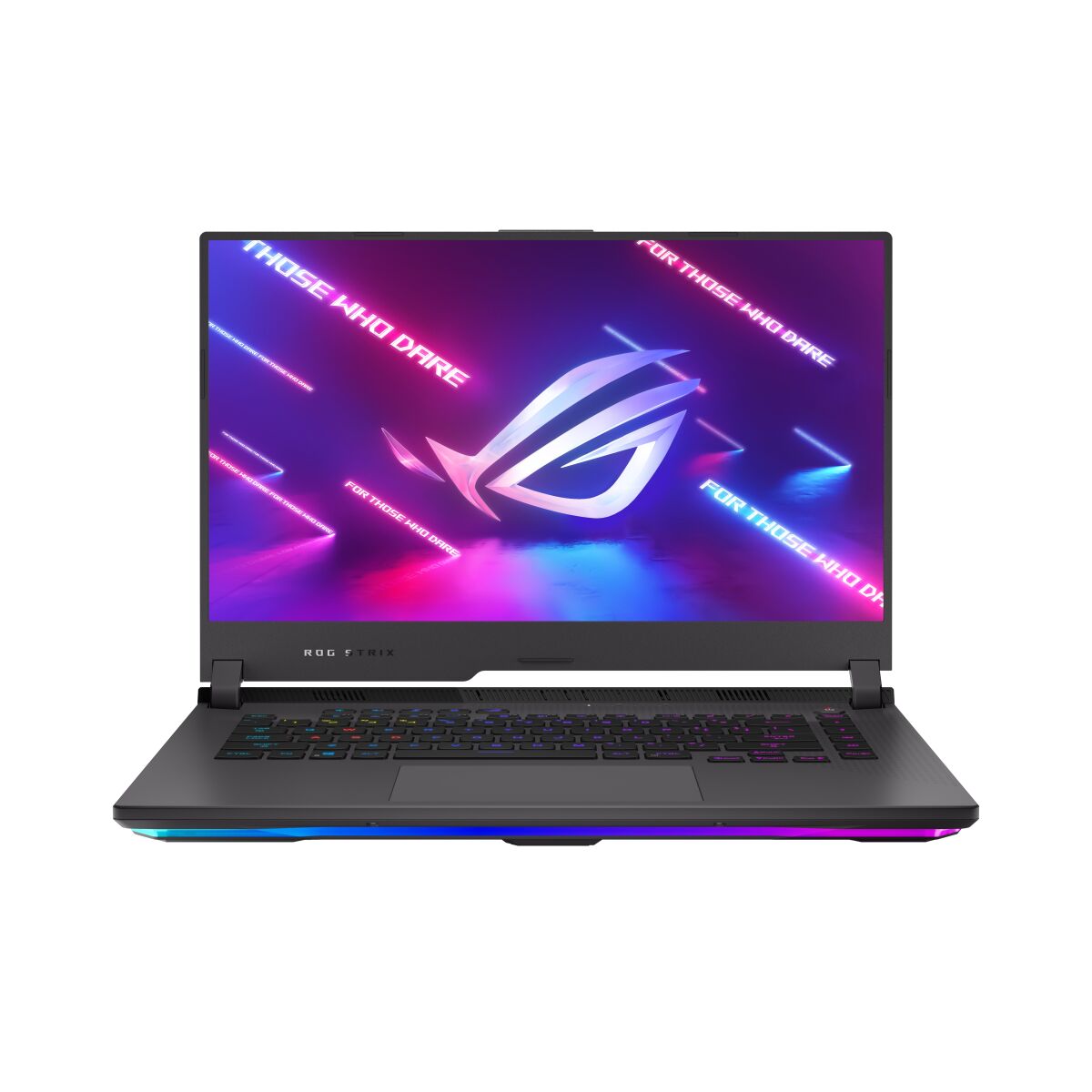


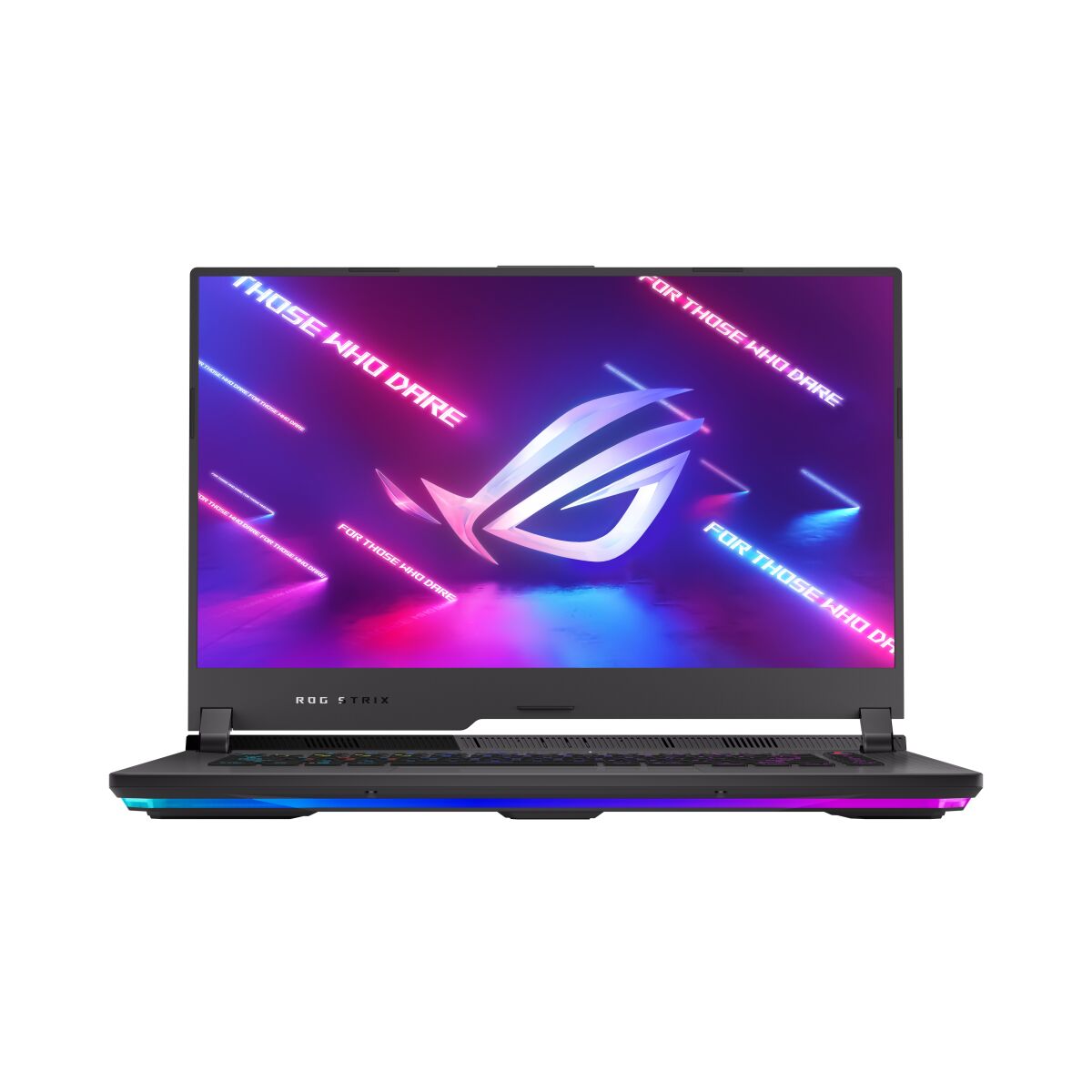

ASUS ROG Strix G15 G513QM-HF047T RAM upgrade specifications include DDR4-SDRAM memory compatible with 2x SO-DIMM slots. Maximum RAM capacity supported reaches 32 GB total. Memory operates at 3200 MHz frequency. Specifications indicate upgrade potential through dual slot configuration, allowing users to expand memory capacity up to the maximum supported threshold. SO-DIMM form factor specifications confirm compatibility with standard laptop memory modules for this gaming model.
Memory Upgrade Specifications
| Specification | Value |
|---|---|
| Memory slots | 2x SO-DIMM |
| Form factor | SO-DIMM |
| Memory type | DDR4-SDRAM |
| Frequency | 3200 MHz |
| Maximum RAM | 32 GB |
| Voltage | 1.2V |
| Number of pins | 260-pin |
| Interface | PC4 |
| PC Speed Rating | PC4-3200 (PC4-25600) |
| Bandwidth | 25.6 GB/s |
| Laptop Release date | 28 February 2021 |
Additional Notes
- The ASUS ROG G513QM-HF047T supports up to 32 GB total memory capacity, which translates to a maximum of 16 GB per module when both SO-DIMM slots are populated.
- DDR4-3200 operates at a higher voltage (1.2V) compared to DDR3 modules, making older DDR3 SO-DIMMs physically incompatible despite similar form factors.
- The 3200 MHz specification indicates PC4-25600 module compatibility, which provides 25.6 GB/s theoretical bandwidth per channel.
- Dual-channel configuration requires matched pairs of identical modules to avoid potential performance degradation or single-channel fallback operation.
- SO-DIMM installation typically requires bottom panel removal, which may involve breaking manufacturer seals that could affect warranty coverage depending on regional service policies.
- The 32 GB ceiling suggests AMD Ryzen platform limitations, as the underlying memory controller architecture restricts maximum addressable capacity per slot.
- Mixing modules with different speeds will force all modules to operate at the lowest common frequency, potentially underutilizing faster memory.
- Single-rank versus dual-rank module topology affects memory interleaving performance, though both remain compatible within the 32 GB limit.
- Non-ECC unbuffered modules are required for this consumer platform, as registered or error-correcting memory will not initialize during POST.
- CAS latency variations between modules with identical 3200 MHz speeds can introduce stability issues during demanding workloads despite meeting base frequency requirements.