ASUS ROG G513QM-HF432T RAM upgrade specifications
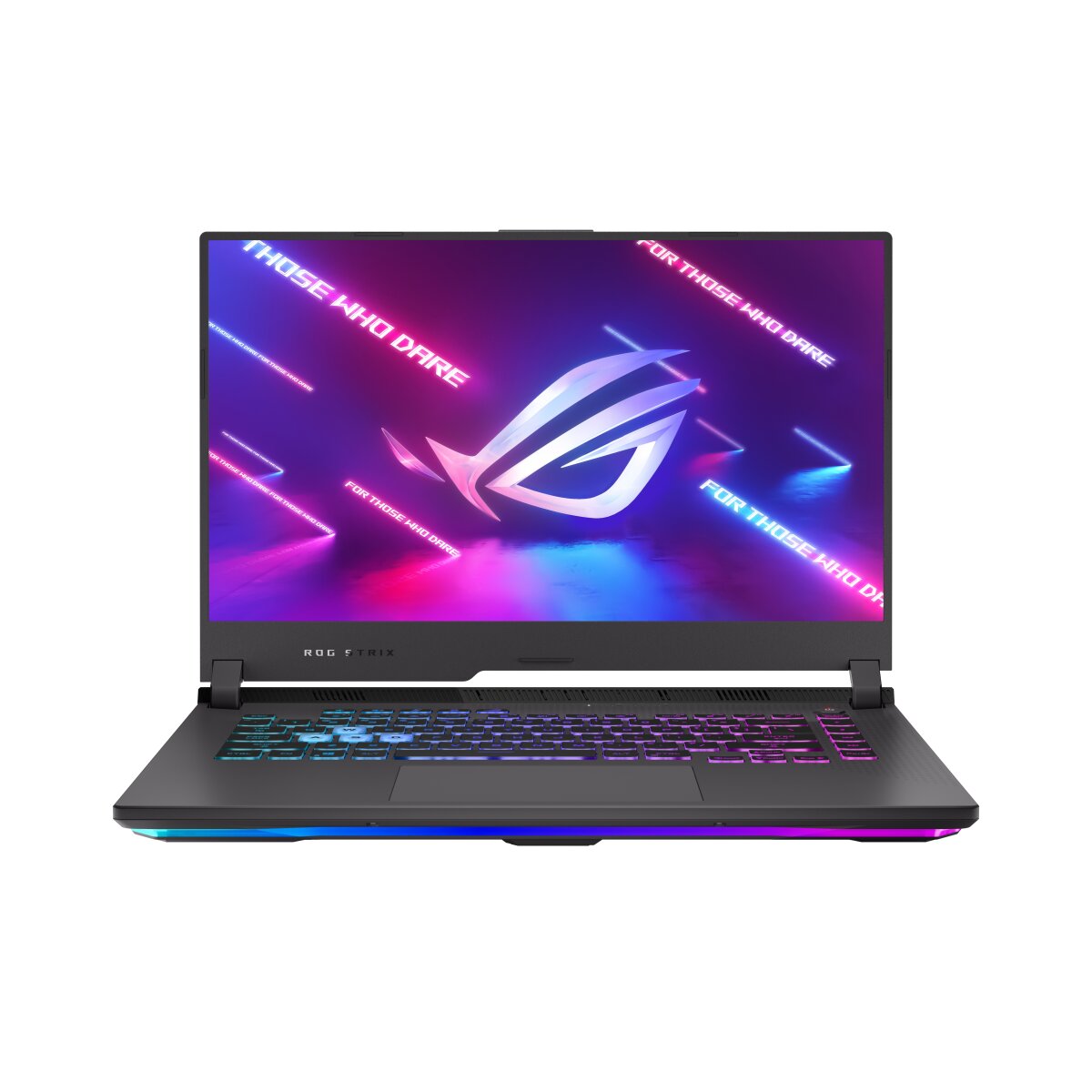

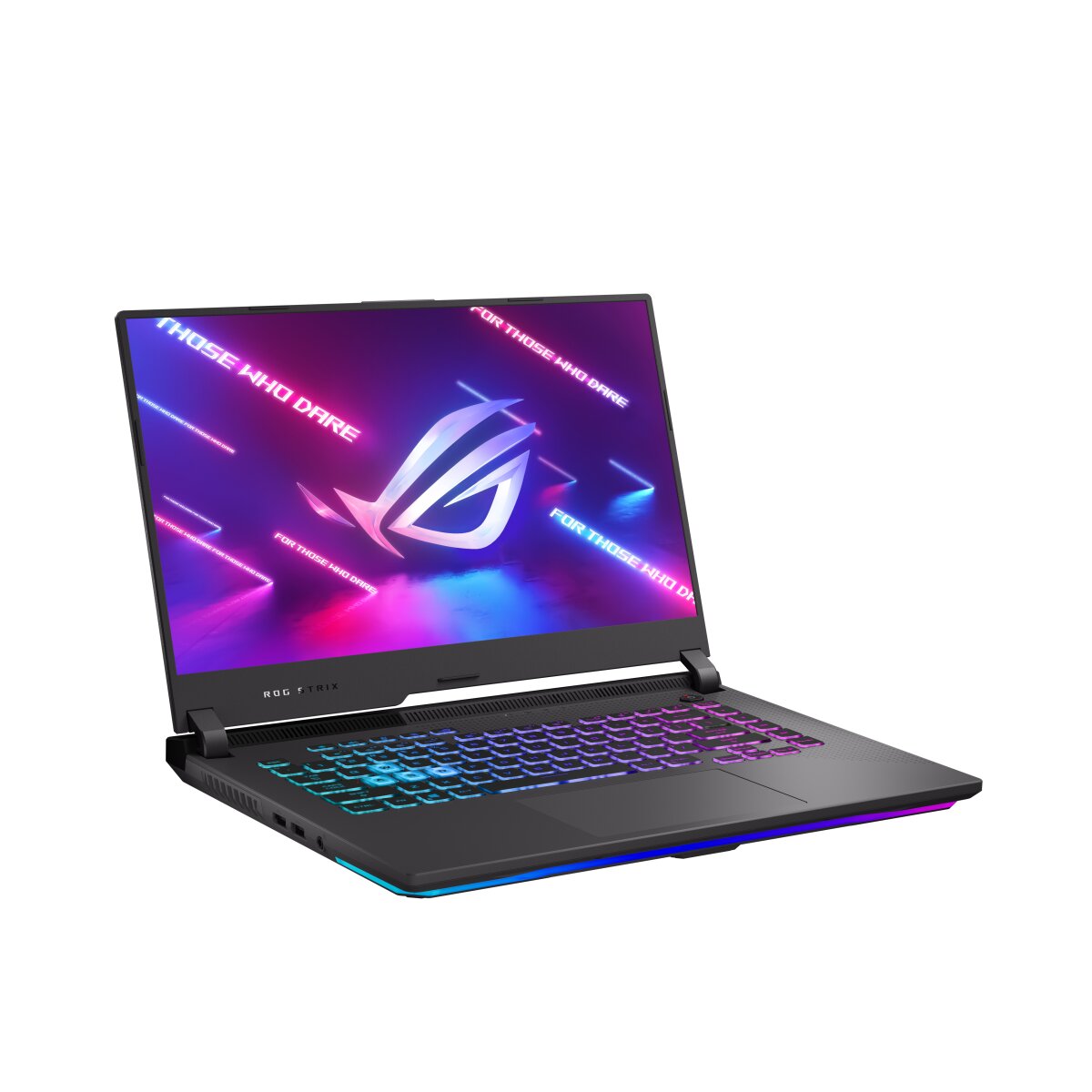
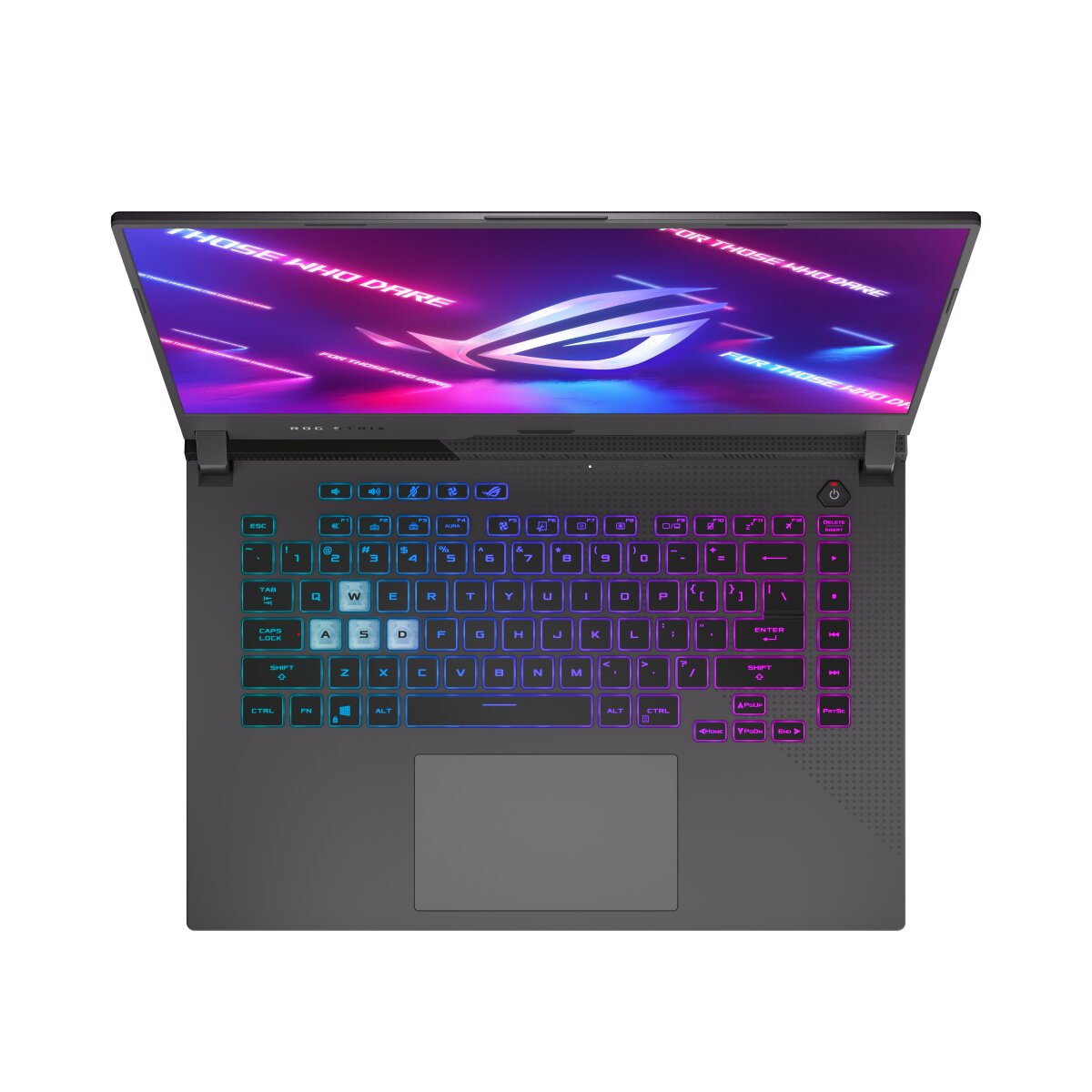
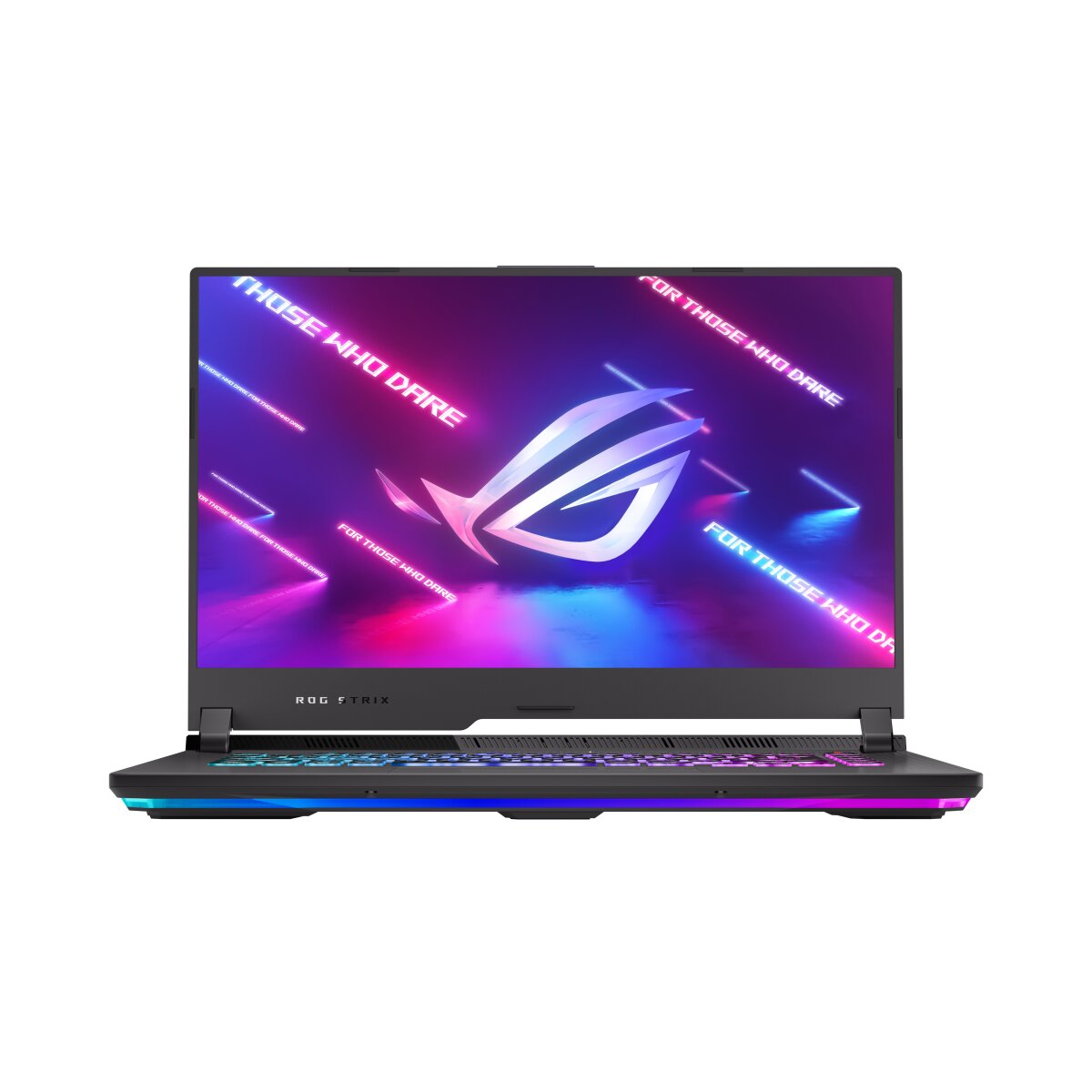
ASUS ROG Strix G15 G513QM-HF432T laptop memory upgrade specifications include two SO-DIMM slots supporting DDR4-SDRAM memory modules. Maximum RAM capacity reaches 32 GB total, with compatible modules operating at 3200 MHz frequency. Upgrade configurations allow installation of paired memory modules in available slots to achieve maximum specifications. Memory upgrades utilize SO-DIMM form factor components, standard for portable computing devices in the ROG Strix G15 series.
Memory Upgrade Specifications
| Specification | Value |
|---|---|
| Memory slots | 2x SO-DIMM |
| Form factor | SO-DIMM |
| Memory type | DDR4-SDRAM |
| Frequency | 3200 MHz |
| Maximum RAM | 32 GB |
| Voltage | 1.2V |
| Number of pins | 260-pin |
| Interface | PC4 |
| PC Speed Rating | PC4-3200 (PC4-25600) |
| Bandwidth | 25.6 GB/s |
| Laptop Release date | 13 June 2021 |
Additional Notes
- The ASUS ROG G513QM-HF432T operates with a dual-channel memory configuration, meaning both SO-DIMM slots must be populated to achieve maximum bandwidth throughput. Populating only 1 slot forces single-channel operation, reducing memory bandwidth by approximately 50 percent and degrading gaming and content creation performance.
- DDR4-3200 specification indicates the system supports JEDEC standard speeds; faster third-party modules (DDR4-3600, DDR4-4000) may be mechanically compatible but will downclock to 3200 MHz due to memory controller limitations, offering no performance benefit and creating unnecessary expense.
- The 32 GB ceiling represents the maximum addressable capacity; upgrading beyond this threshold requires complete replacement of existing modules rather than additive expansion, as the chipset cannot recognize additional density.
- SO-DIMM form factor restricts upgrades to laptop-specific modules; desktop DDR4 UDIMM sticks are physically incompatible and cannot be force-fitted without permanent hardware damage.
- Memory frequency stability depends on BIOS settings and integrated memory controller tolerance; mixing modules of different manufacturers, speeds, or timing profiles within the 2-slot array increases likelihood of timing-related instability, even when both modules nominally support 3200 MHz.
- Warranty considerations apply when opening the chassis for RAM access; most manufacturers require adhesive seals on internal compartments to remain intact, so documentation of pre-upgrade system state protects warranty coverage if issues emerge post-installation.