ASUS ROG G513QR-HF003T - Ryzen 7 5800H 8-C RAM upgrade specifications
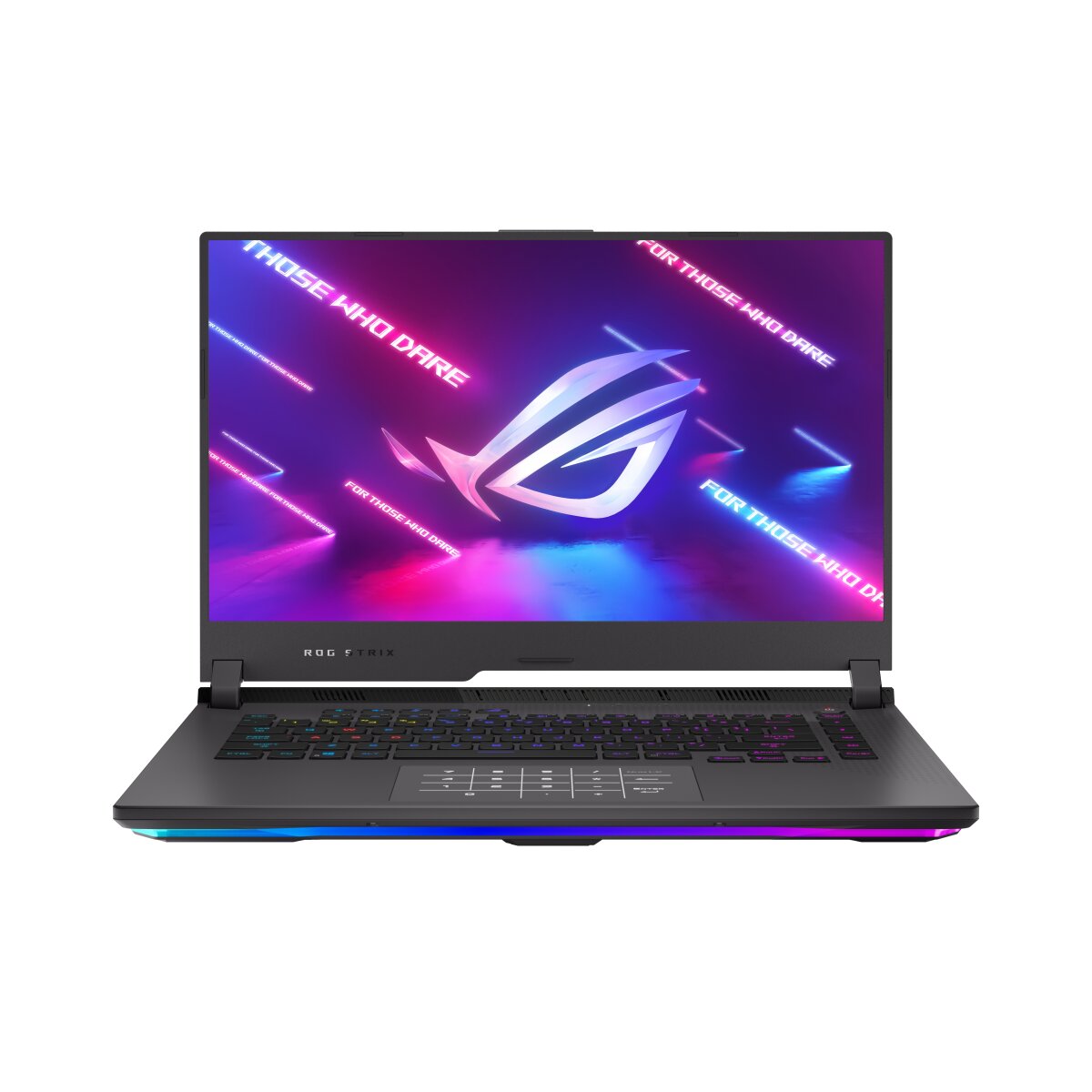




ASUS ROG Strix G15 G513QR-HF003T upgrade specifications indicate DDR4-SDRAM memory compatibility with two SO-DIMM slots supporting maximum capacity of 32 GB. The laptop features 3200 MHz frequency specifications for compatible RAM modules. Current configuration includes 8 GB memory, allowing upgrade potential through dual slot availability. DDR4 SO-DIMM format specifications define the compatible memory upgrade parameters for this Ryzen 7 5800H gaming laptop model.
Memory Upgrade Specifications
| Specification | Value |
|---|---|
| Memory slots | 2x SO-DIMM |
| Form factor | SO-DIMM |
| Memory type | DDR4-SDRAM |
| Frequency | 3200 MHz |
| Maximum RAM | 32 GB |
| Voltage | 1.2V |
| Number of pins | 260-pin |
| Interface | PC4 |
| PC Speed Rating | PC4-3200 (PC4-25600) |
| Bandwidth | 25.6 GB/s |
| Laptop Release date | 22 October 2022 |
Additional Notes
- Dual channel configuration requires two identical modules to achieve peak memory bandwidth for the Ryzen 7 5800H integrated graphics and core processing units.
- The absence of soldered memory on the ASUS G513QR-HF003T - Ryzen 7 5800H 8-C motherboard allows for the replacement of both factory modules to reach the maximum capacity limit.
- Utilizing modules with higher speeds than 3200 MHz will result in automatic downclocking to the platform ceiling dictated by the Zen 3 architecture.
- Upgrading to the 32 GB threshold provides the necessary overhead for memory intensive tasks such as 4K video editing or running multiple virtual machines simultaneously.
- Physical installation is limited to 260 pin SO-DIMM hardware, as standard desktop DIMM modules are incompatible with the chassis layout.
- Installation of non-ECC unbuffered memory is mandatory since the logic board lacks support for error correcting code functionality.
- Populating both slots with high density ranks can improve frame rate stability in modern titles compared to single channel setups.