ASUS ROG G513QR-HF007 RAM upgrade specifications
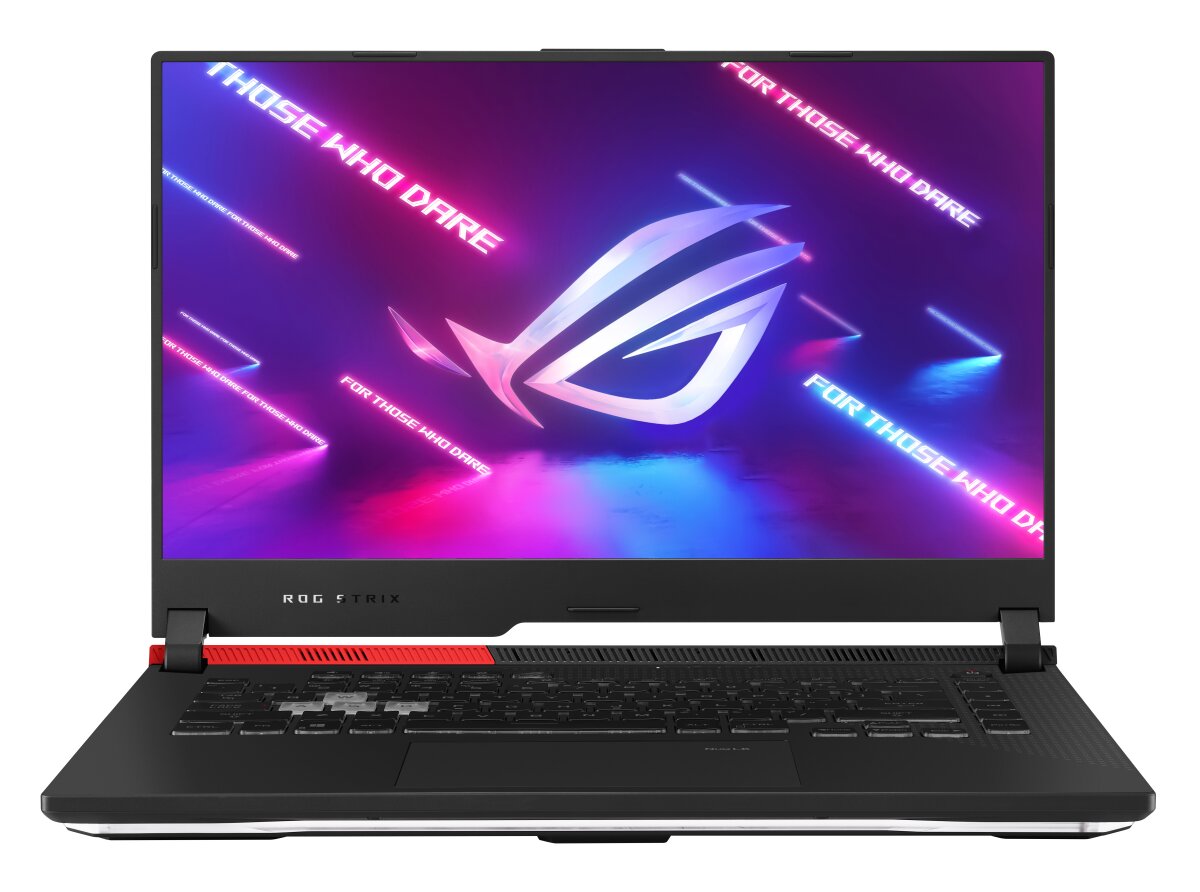
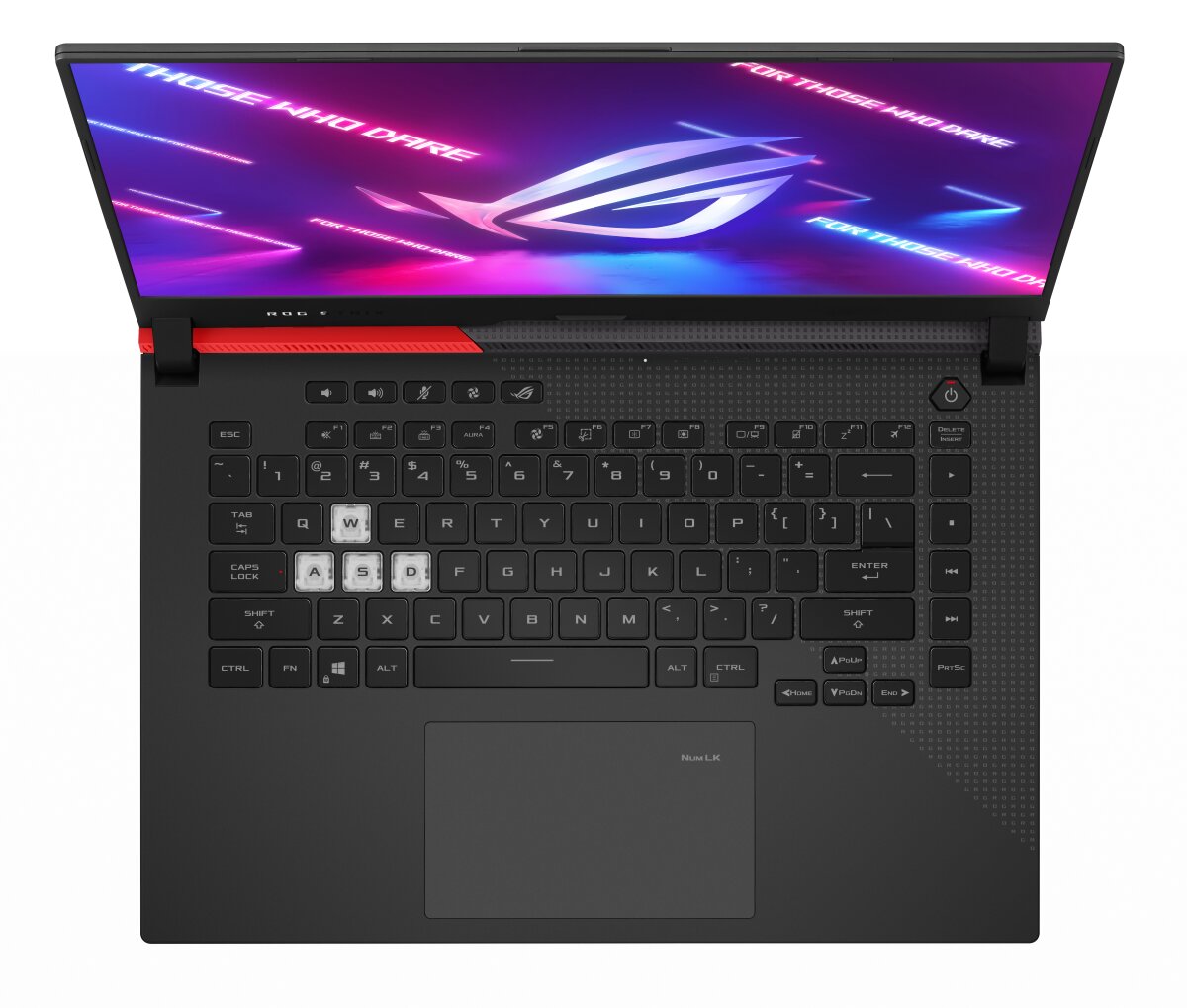
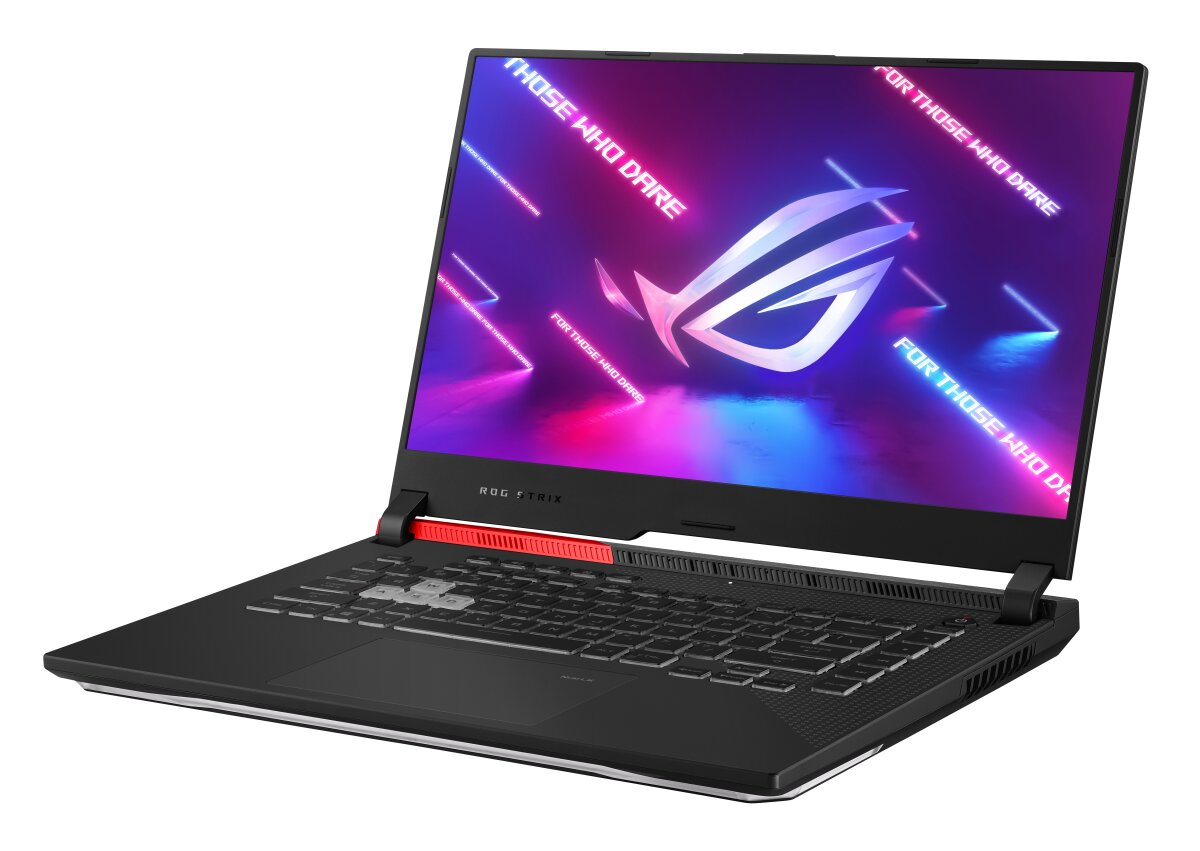
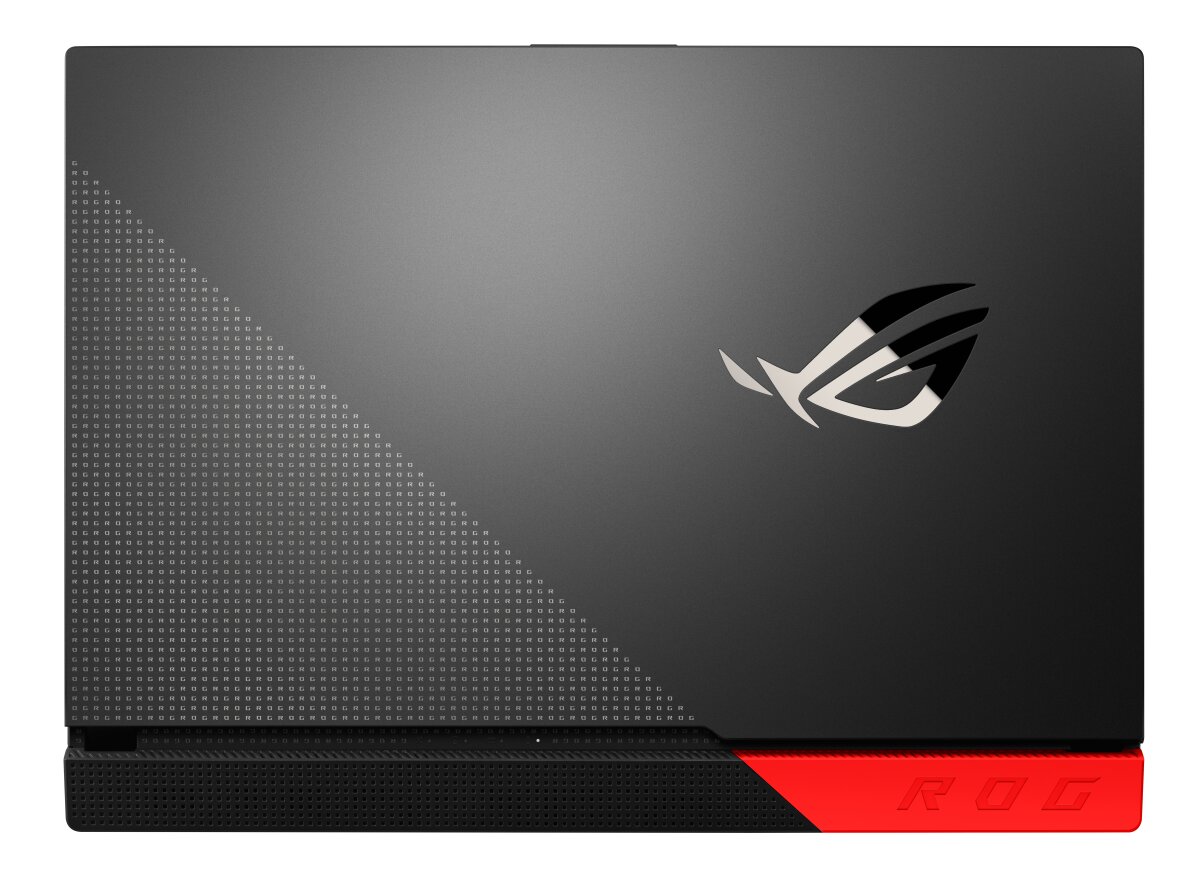
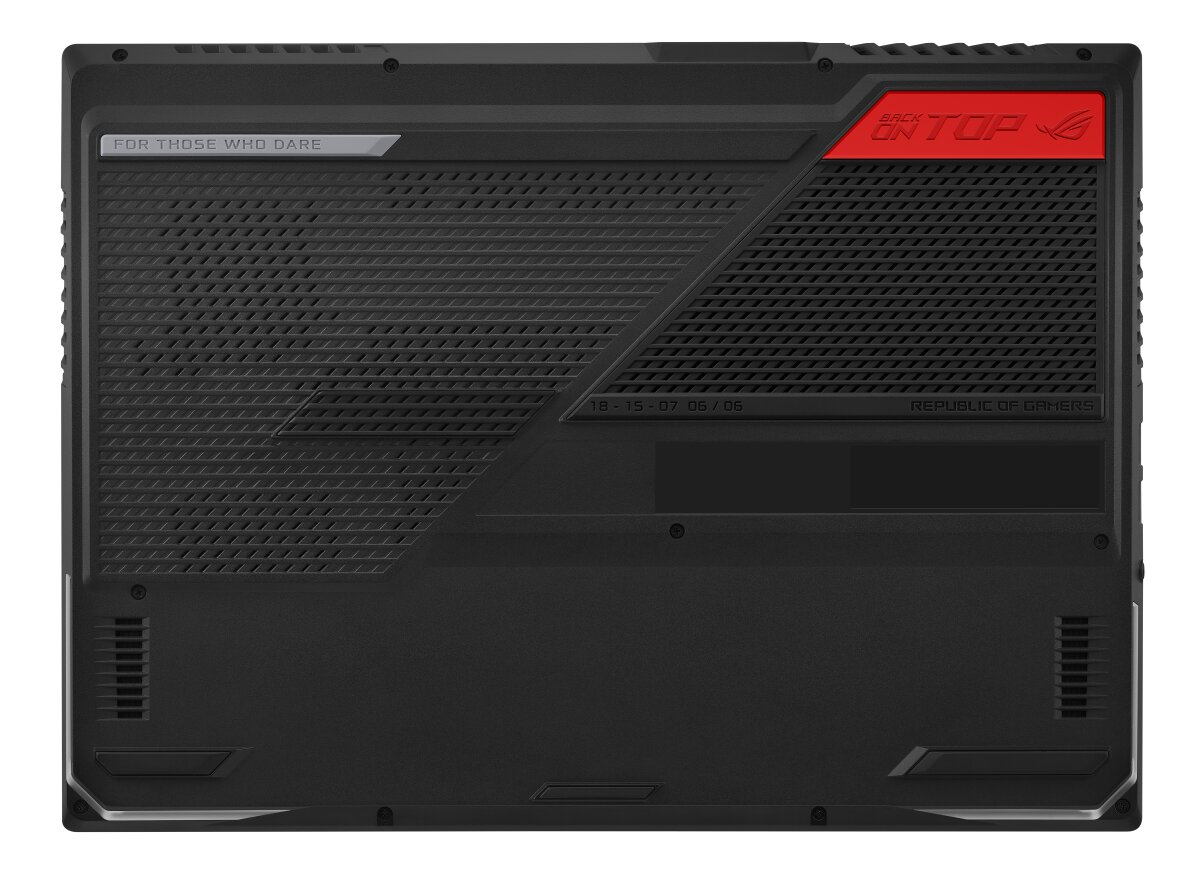
ASUS ROG Strix G15 G513QR-HF007 supports DDR4-SDRAM memory upgrades through two SO-DIMM slots. Maximum RAM capacity reaches 32 GB total. Compatible memory operates at 3200 MHz frequency. Upgrade specifications allow users to expand memory configuration by replacing or supplementing existing modules in the available SO-DIMM slots to achieve maximum supported capacity for enhanced system performance.
Memory Upgrade Specifications
| Specification | Value |
|---|---|
| Memory slots | 2x SO-DIMM |
| Form factor | SO-DIMM |
| Memory type | DDR4-SDRAM |
| Frequency | 3200 MHz |
| Maximum RAM | 32 GB |
| Voltage | 1.2V |
| Number of pins | 260-pin |
| Interface | PC4 |
| PC Speed Rating | PC4-3200 (PC4-25600) |
| Bandwidth | 25.6 GB/s |
| Laptop Release date | 14 July 2021 |
Additional Notes
- The ASUS ROG G513QR-HF007 uses DDR4 SO-DIMM modules, limiting maximum capacity to 32 GB total across 2 slots, which constrains workload scaling for memory-intensive applications such as virtual machines, 3D rendering, or large dataset processing.
- SO-DIMM form factor confirms this is a mobile platform; replacement modules must match the compact 260-pin SO-DIMM specification precisely, as full-size UDIMM sticks will not physically seat in the available slots.
- The 3200 MHz frequency specification indicates DDR4-3200 compatibility; mixing with lower-frequency modules (such as DDR4-2666 or DDR4-2400) will default all installed memory to the slowest module's speed, reducing effective bandwidth across the system.
- Dual-slot configuration with 2 DIMM positions means upgrading beyond the factory configuration requires removing at least 1 existing module; this creates a trade-off between keeping existing capacity and adding new modules, particularly if original sticks exceed 16 GB each.
- Warranty-safe upgrades are limited to DDR4 SO-DIMM sticks rated for 3200 MHz or lower with CAS latency profiles compatible with factory BIOS memory support lists; purchasing modules outside OEM qualification lists risks compatibility failures or boot failures despite correct physical specifications.
- Single-channel versus dual-channel operation depends on module population; asymmetrical capacity pairings (such as 8 GB + 16 GB) may force single-channel performance in some memory segments, degrading throughput relative to matched pairs of equal capacity.