ASUS ROG G513RC-HN242W RAM upgrade specifications




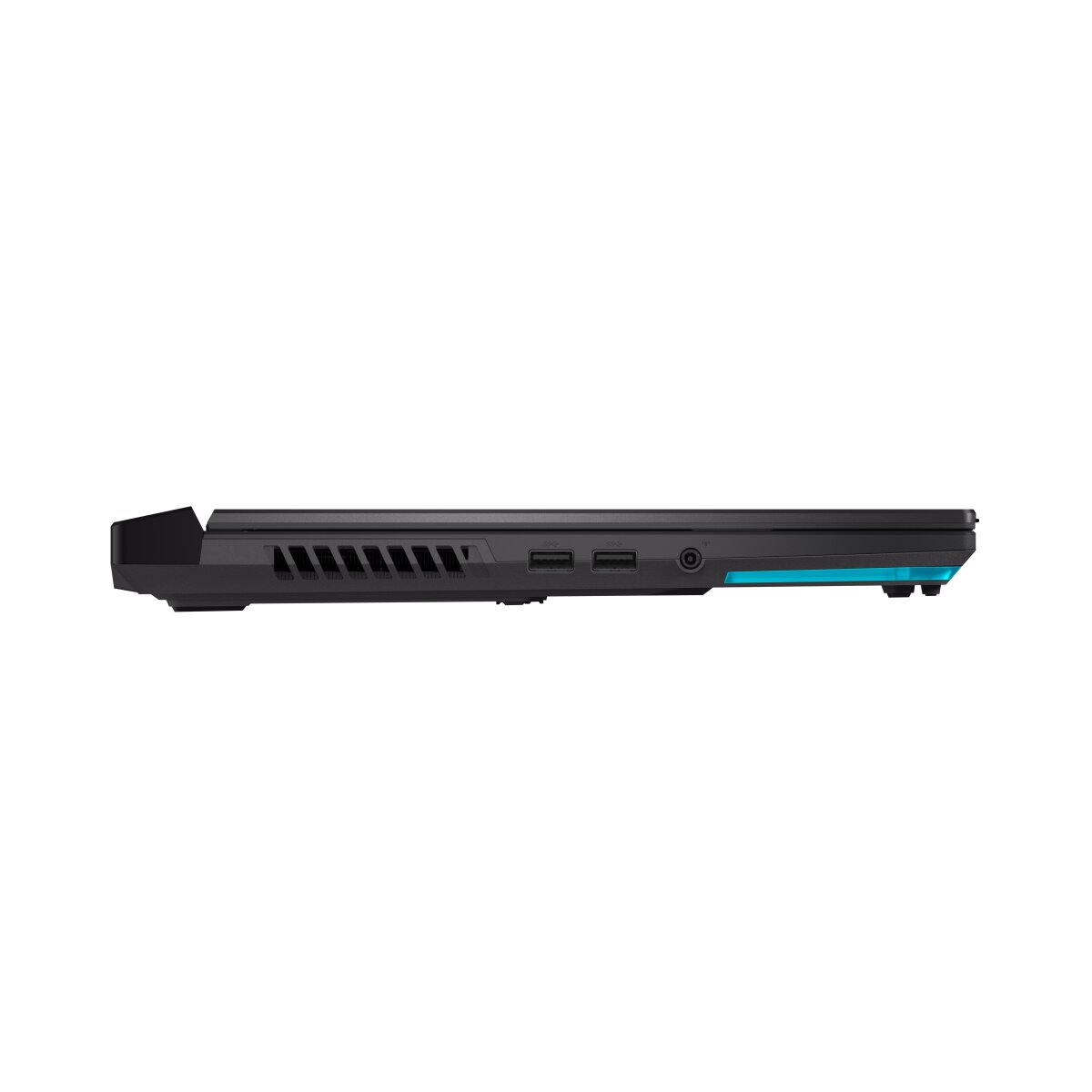
ASUS ROG Strix G15 G513RC-HN242W laptop memory upgrade specifications include two SO-DIMM slots compatible with DDR5-SDRAM modules. Maximum RAM capacity reaches 32 GB when fully upgraded. Memory operates at 4800 MHz frequency. Specifications support DDR5 technology for enhanced performance. Dual slot configuration allows for flexible memory upgrade options. Compatible memory modules must match DDR5-SDRAM specifications and SO-DIMM form factor requirements for proper installation and operation.
Memory Upgrade Specifications
| Specification | Value |
|---|---|
| Memory slots | 2x SO-DIMM |
| Form factor | SO-DIMM |
| Memory type | DDR5-SDRAM |
| Frequency | 4800 MHz |
| Maximum RAM | 32 GB |
| Voltage | 1.1V |
| Number of pins | 262-pin |
| Interface | PC5 |
| PC Speed Rating | PC5-4800 (PC5-38400) |
| Bandwidth | 38.4 GB/s |
| Laptop Release date | 04 June 2023 |
Additional Notes
- The ASUS ROG G513RC-HN242W implements a 32 GB ceiling per system rather than per slot, limiting dual-channel configurations to 2x16 GB modules despite the presence of 2 SO-DIMM sockets.
- DDR5-4800 operates at JEDEC baseline specifications, meaning higher-frequency aftermarket modules will downclock to 4800 MHz without performance gain.
- DDR5 SO-DIMM modules are physically incompatible with DDR4 sockets due to altered notch positioning, preventing accidental installation of legacy memory.
- SO-DIMM form factor restricts thermal headroom compared to desktop UDIMMs, potentially causing throttling under sustained memory-intensive workloads if inadequate chassis ventilation exists.
- Dual-channel architecture requires matched module capacities in both slots to enable interleaved memory access, otherwise defaulting to asymmetric or single-channel mode with reduced bandwidth.
- DDR5's on-die ECC operates independently of system-level ECC support, providing error correction transparency without BIOS configuration but no logging capability for diagnostics.
- Warranty preservation typically requires non-destructive memory access, though ROG series laptops generally position SO-DIMM slots under bottom panel screws rather than requiring full disassembly.
- 4800 MHz frequency implies PC5-38400 bandwidth rating at 38.4 GB/s per module, delivering 76.8 GB/s aggregate throughput when both channels operate simultaneously.
- DDR5 voltage standardization at 1.1V reduces power draw compared to DDR4's 1.2V, though SO-DIMM thermal dissipation remains constrained by compact laptop enclosures.
- Memory training sequences during POST extend boot times with DDR5 compared to DDR4 systems, particularly noticeable after CMOS resets or module replacement.