ASUS ROG G513RM-HQ080W RAM upgrade specifications
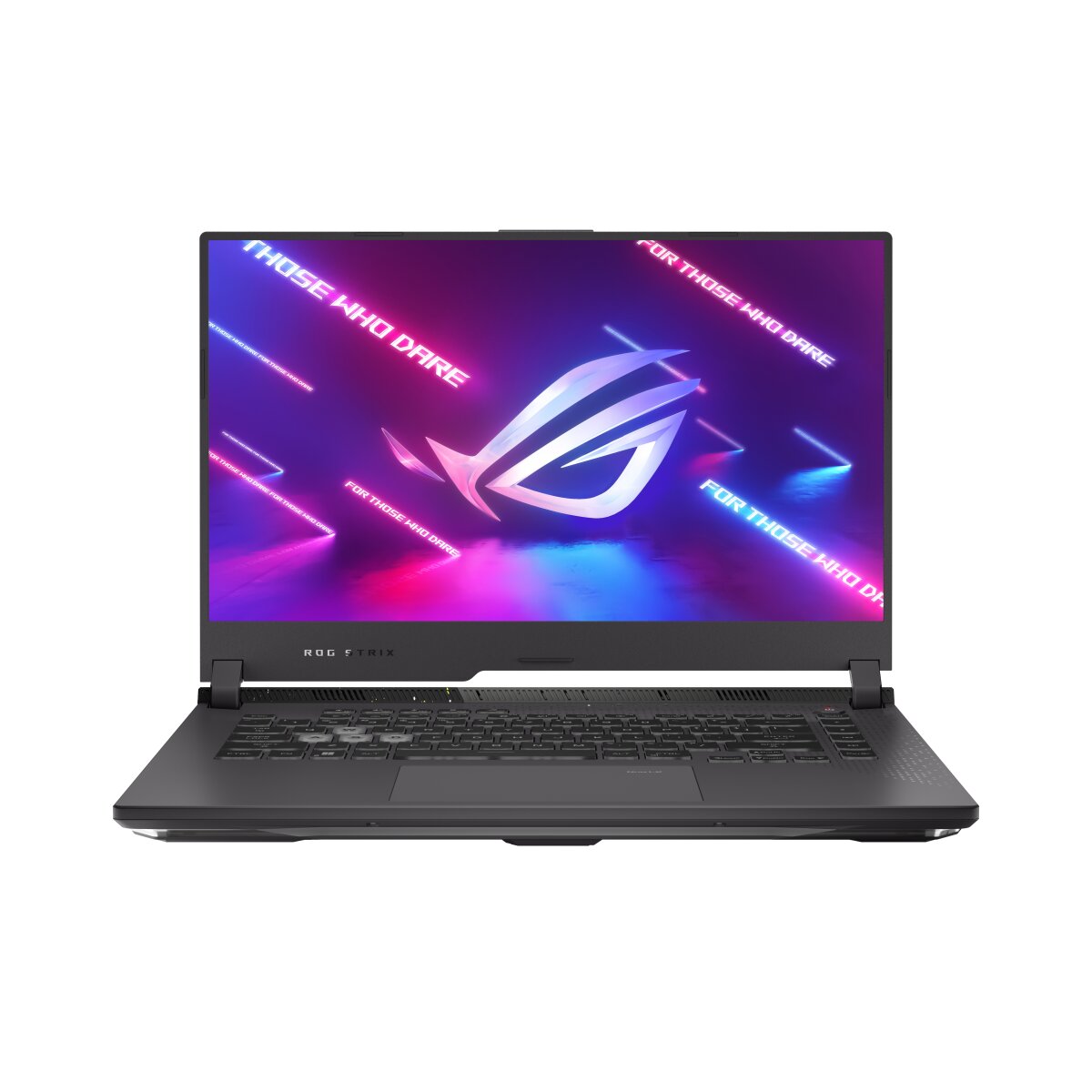

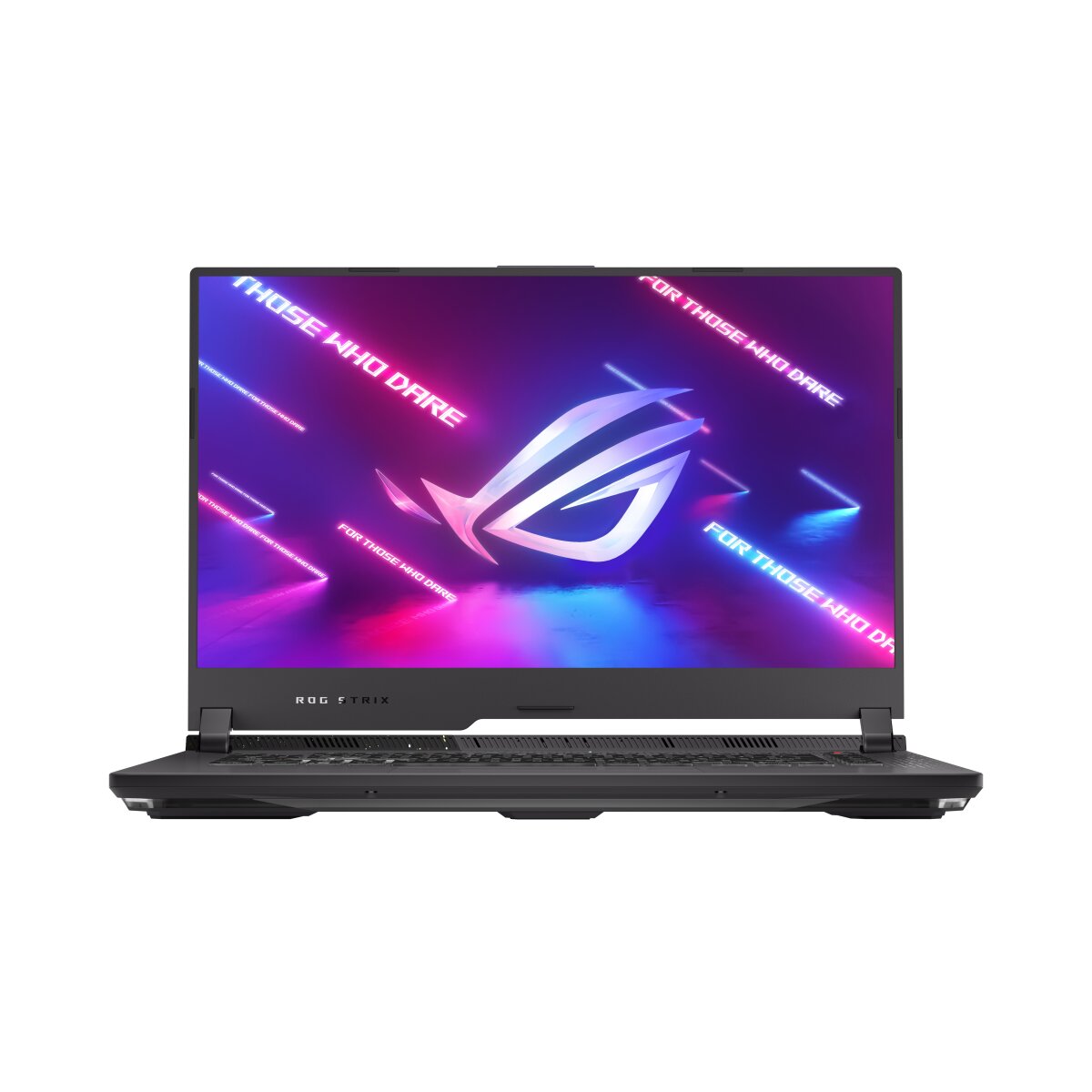


ASUS ROG Strix G15 G513RM-HQ080W laptop features DDR5-SDRAM memory upgrade specifications with 2x SO-DIMM slots supporting maximum capacity of 32 GB total RAM. Compatible upgrades utilize SO-DIMM form factor modules operating at 4800 MHz frequency. Specifications enable memory expansion for enhanced multitasking performance in gaming and professional applications.
Memory Upgrade Specifications
| Specification | Value |
|---|---|
| Memory slots | 2x SO-DIMM |
| Form factor | SO-DIMM |
| Memory type | DDR5-SDRAM |
| Frequency | 4800 MHz |
| Maximum RAM | 32 GB |
| Voltage | 1.1V |
| Number of pins | 262-pin |
| Interface | PC5 |
| PC Speed Rating | PC5-4800 (PC5-38400) |
| Bandwidth | 38.4 GB/s |
| Laptop Release date | 04 May 2023 |
Additional Notes
- The DDR5-SDRAM architecture requires module replacement rather than supplementation when upgrading from factory configuration, as mixing different capacity modules often triggers single-channel operation.
- The 4800 MHz frequency specification represents JEDEC standard baseline timing, while higher-speed modules will downclock to this threshold due to chipset limitations in the ASUS ROG G513RM-HQ080W platform.
- The 32 GB maximum capacity constraint stems from memory controller addressing limits, making 2x16 GB the only viable configuration for reaching maximum supported capacity.
- SO-DIMM voltage requirements for DDR5 operate at 1.1V standard, reducing thermal output compared to DDR4 but requiring compatible power delivery circuitry already present in the motherboard design.
- Dual-channel bandwidth peaks at 76.8 GB/s theoretical maximum when both slots operate synchronously at 4800 MHz, though real-world sustained throughput remains lower due to latency overhead and thermal throttling.
- Physical access requires bottom panel removal, where the SO-DIMM slots typically sit beneath shielded compartments that void certain regional warranty coverage if tampered with outside authorized service channels.
- CAS latency specifications become critical at 4800 MHz, where CL40 represents standard timing while tighter CL38 modules may improve frame pacing in GPU-bound scenarios without exceeding platform compatibility.
- XMP or EXPO profiles embedded in aftermarket modules will remain inactive unless BIOS updates specifically enable user-adjustable memory profiles, which ASUS typically restricts on ROG laptop platforms for stability reasons.
- The transition from DDR4 SO-DIMM keying means physical incompatibility with previous-generation modules, preventing accidental installation of unsupported memory architectures.
- Rank configuration affects stability, where dual-rank modules per slot may cause POST failures or force frequency reduction below the 4800 MHz specification when operating at maximum 32 GB capacity.