ASUS ROG G513RM-HQ151W RAM upgrade specifications
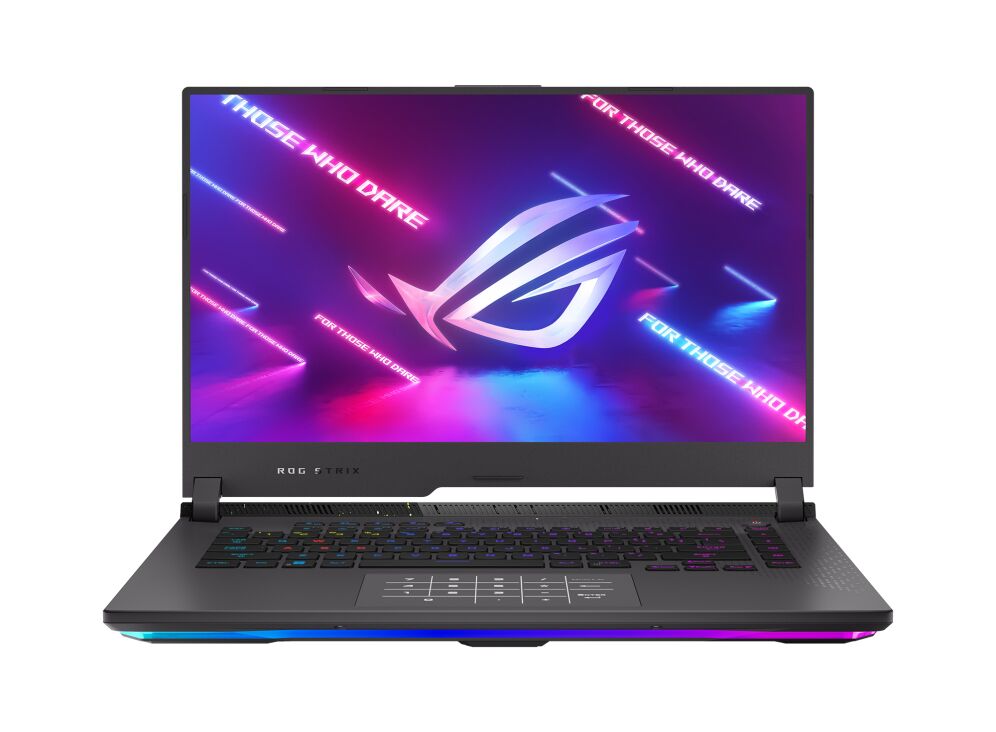
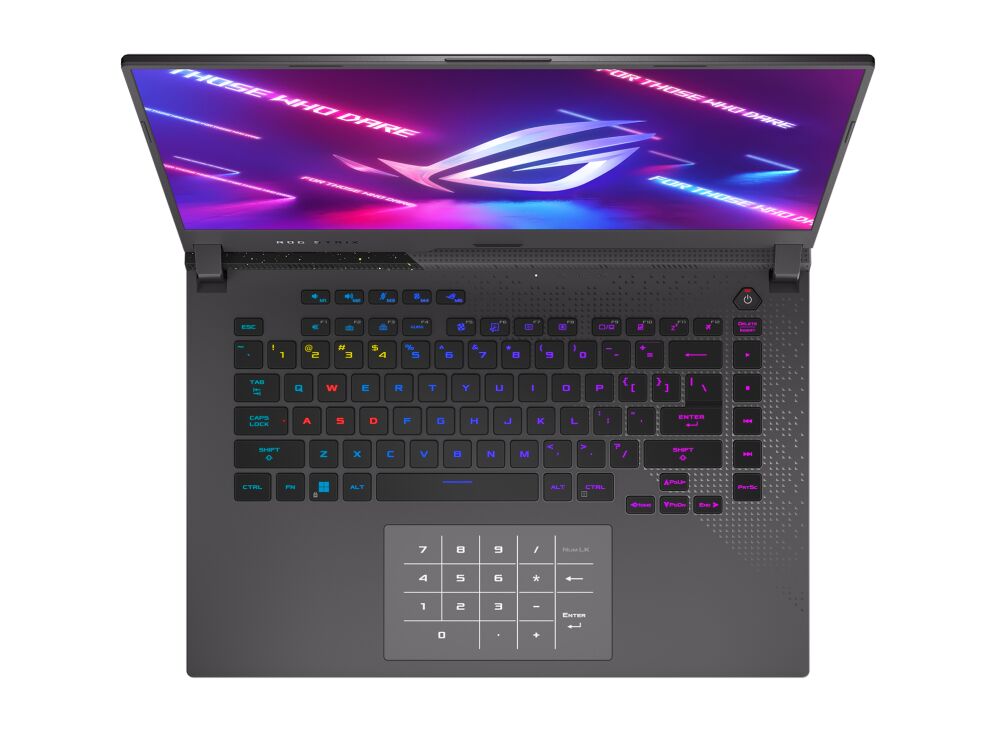
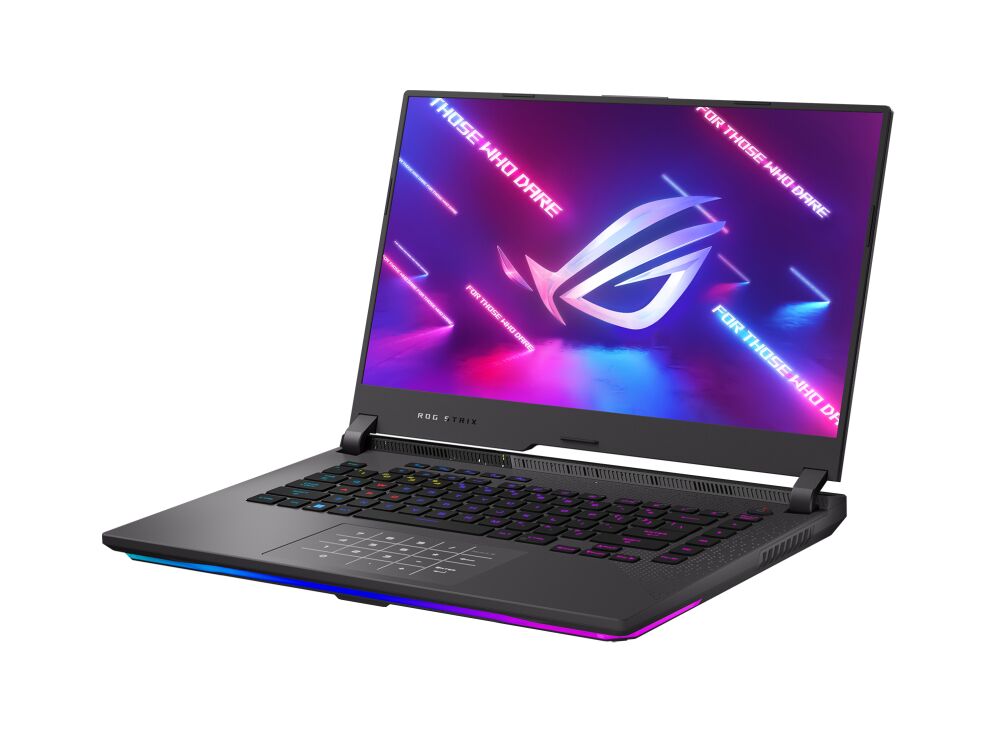
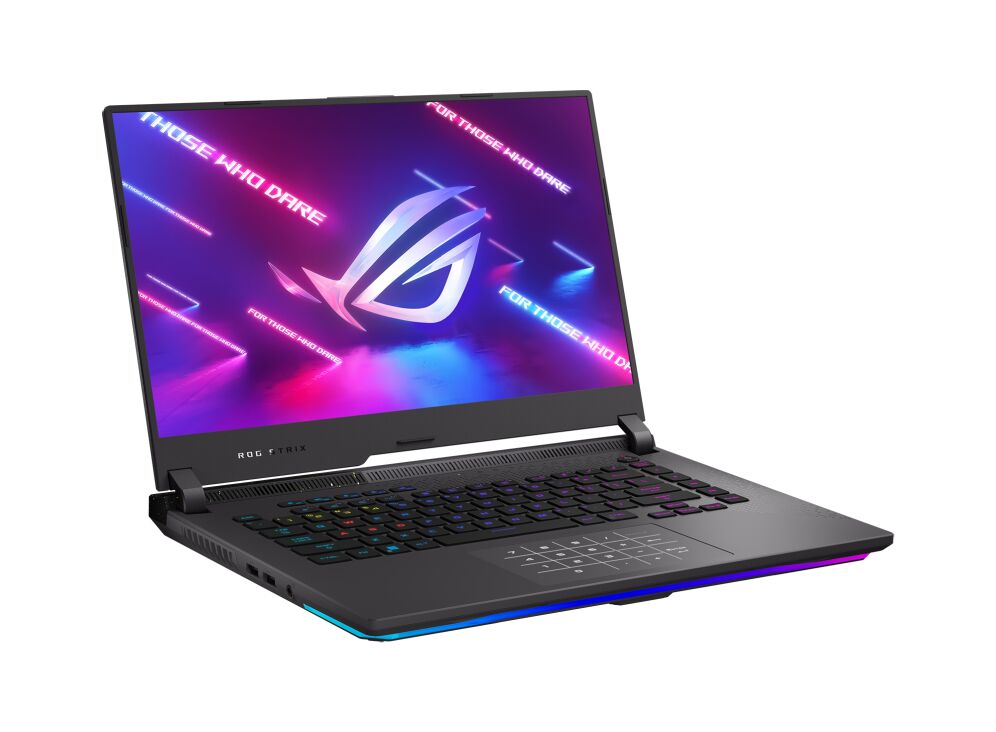
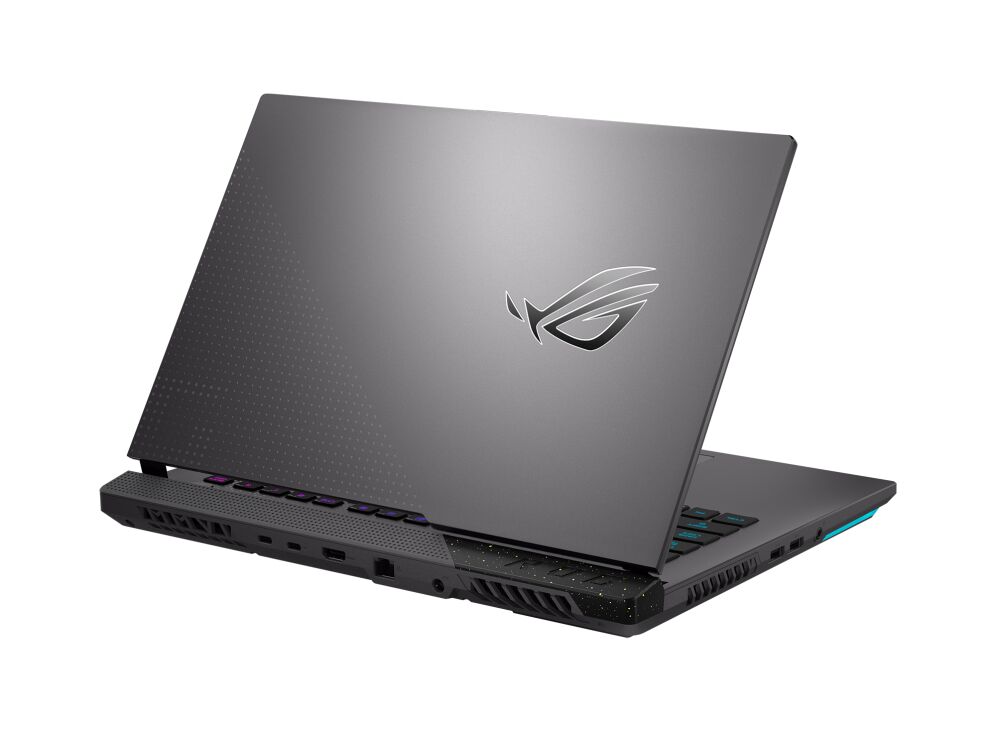
The ASUS ROG Strix G15 G513RM-HQ151W laptop features DDR5-SDRAM memory upgrade specifications with two SO-DIMM slots supporting maximum capacity of 32 GB total RAM. Compatible memory modules operate at 4800 MHz frequency. Upgrade options are available through the two SO-DIMM slots to enhance system performance, with specifications allowing configurations up to the stated maximum capacity for this gaming laptop model.
Memory Upgrade Specifications
| Specification | Value |
|---|---|
| Memory slots | 2x SO-DIMM |
| Form factor | SO-DIMM |
| Memory type | DDR5-SDRAM |
| Frequency | 4800 MHz |
| Maximum RAM | 32 GB |
| Voltage | 1.1V |
| Number of pins | 262-pin |
| Interface | PC5 |
| PC Speed Rating | PC5-4800 (PC5-38400) |
| Bandwidth | 38.4 GB/s |
| Laptop Release date | 20 January 2022 |
Additional Notes
- The ASUS ROG G513RM-HQ151W employs a dual-slot SO-DIMM architecture that permits symmetric population only; installing a single module in either slot functions identically, eliminating performance asymmetry concerns present in quad-channel configurations.
- DDR5-4800 operates at a 50% higher absolute bandwidth compared to DDR4-3200 baseline configurations, yet this bandwidth advantage materializes only when the memory controller and system chipset are engineered to sustain those clock speeds without thermal throttling under sustained workloads.
- The 32 GB ceiling represents a hard constraint imposed by the memory controller firmware; upgrading beyond this threshold requires BIOS modifications from the manufacturer and typically voids standard warranty coverage for memory-related failures.
- SO-DIMM modules occupy significantly more confined physical space than standard DIMMs, which restricts heat dissipation around the memory slots; this necessitates lower-profile aftermarket coolers or passive heatsinks that do not exceed 32 mm in height to avoid contact with the module tops during installation.
- DDR5 SO-DIMM modules manufactured at different times or by different vendors may exhibit silicon binning variations affecting stability at rated speeds; mixing older and newer stock from the same vendor within the 2-slot configuration introduces marginal compatibility risk requiring empirical validation through extended stress testing rather than specification compliance alone.
- The memory frequency specification of 4800 MHz assumes JEDEC standard timings; achieving this speed without manual voltage or timing adjustments depends entirely on the laptop's BIOS revision level, as firmware updates frequently unlock marginal overclocking headroom or correct timing calculation errors from factory defaults.