ASUS ROG G513RS-HQ022W-BE RAM upgrade specifications
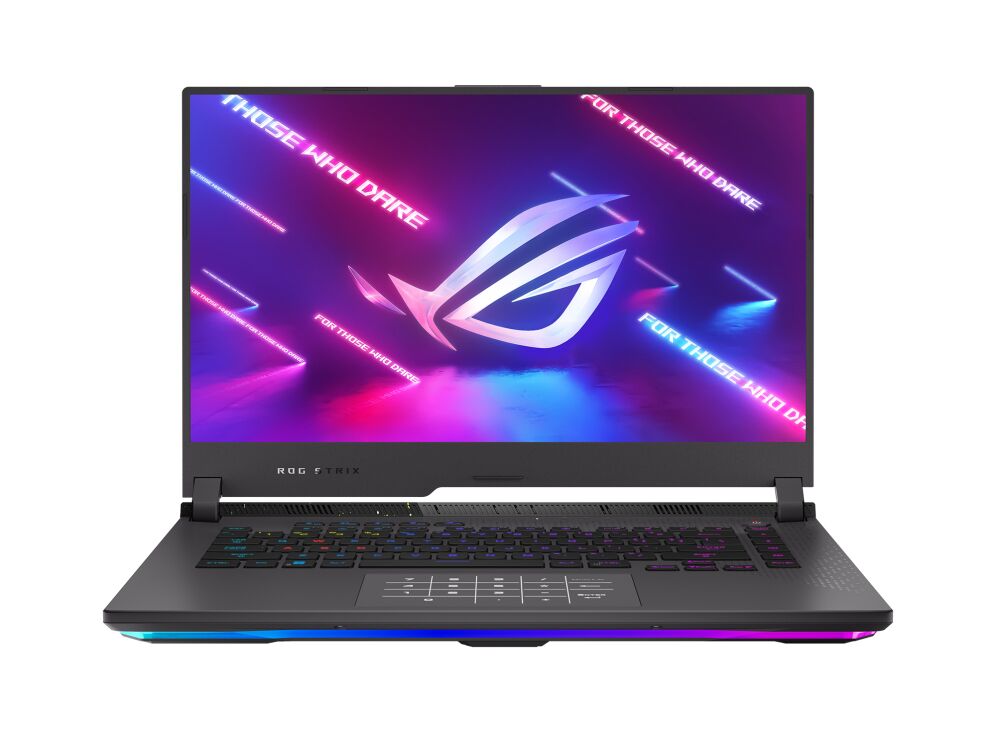
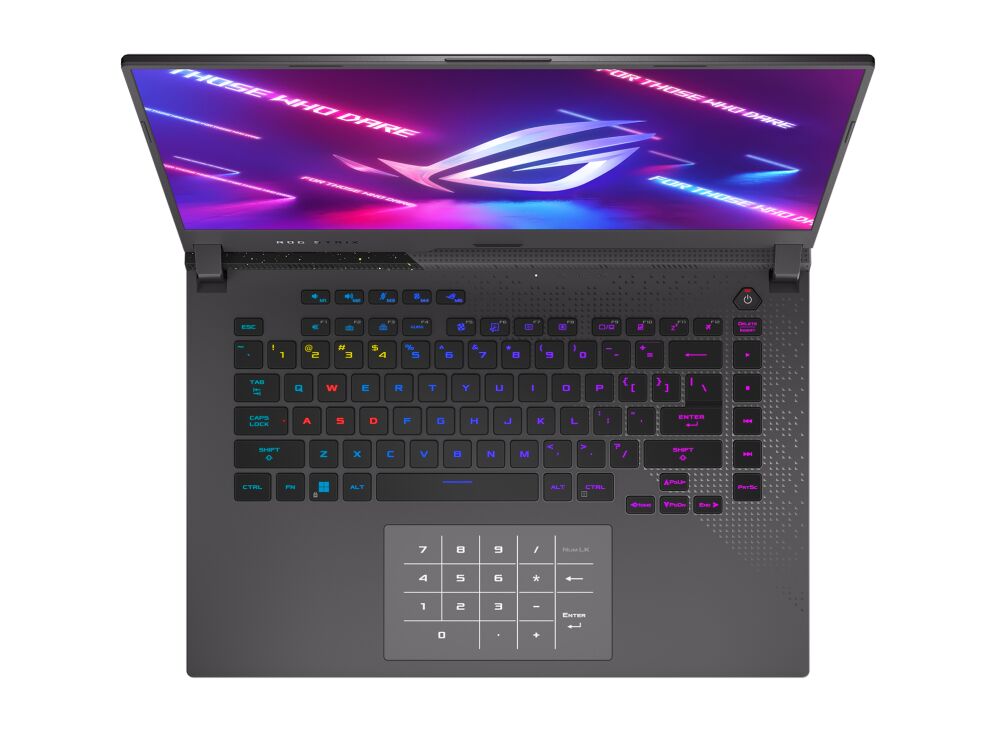
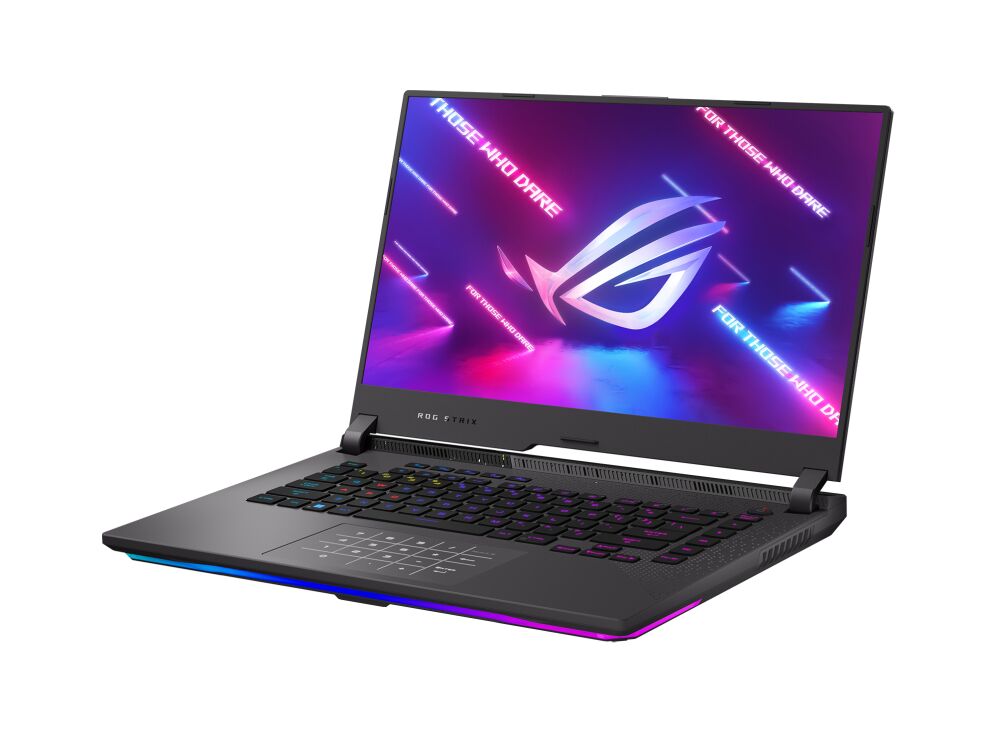
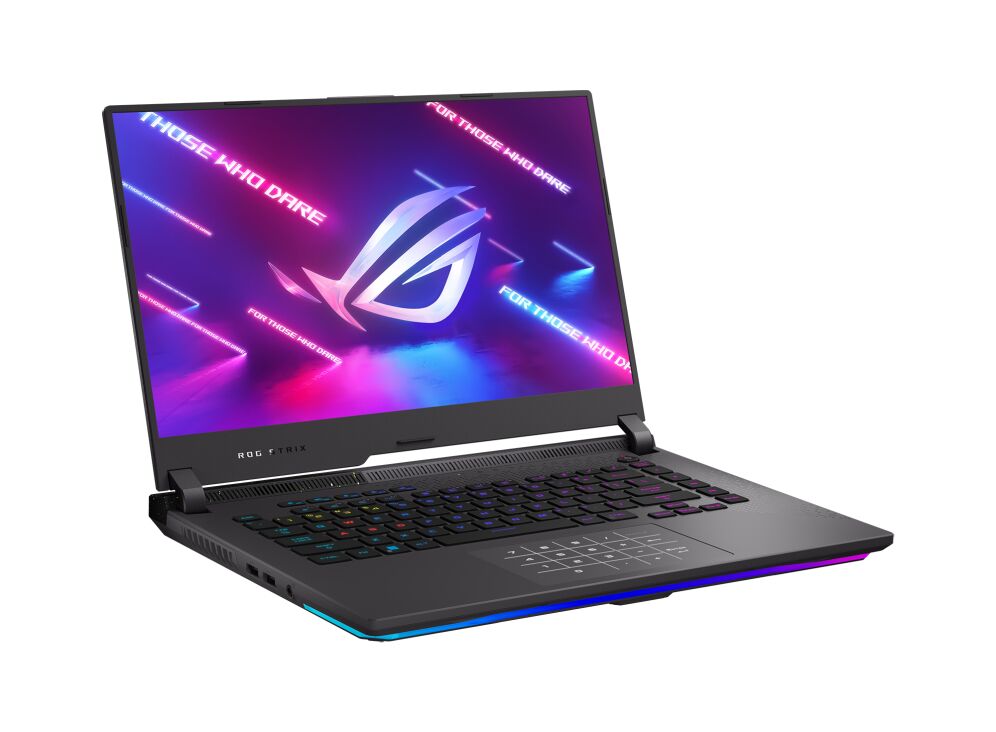
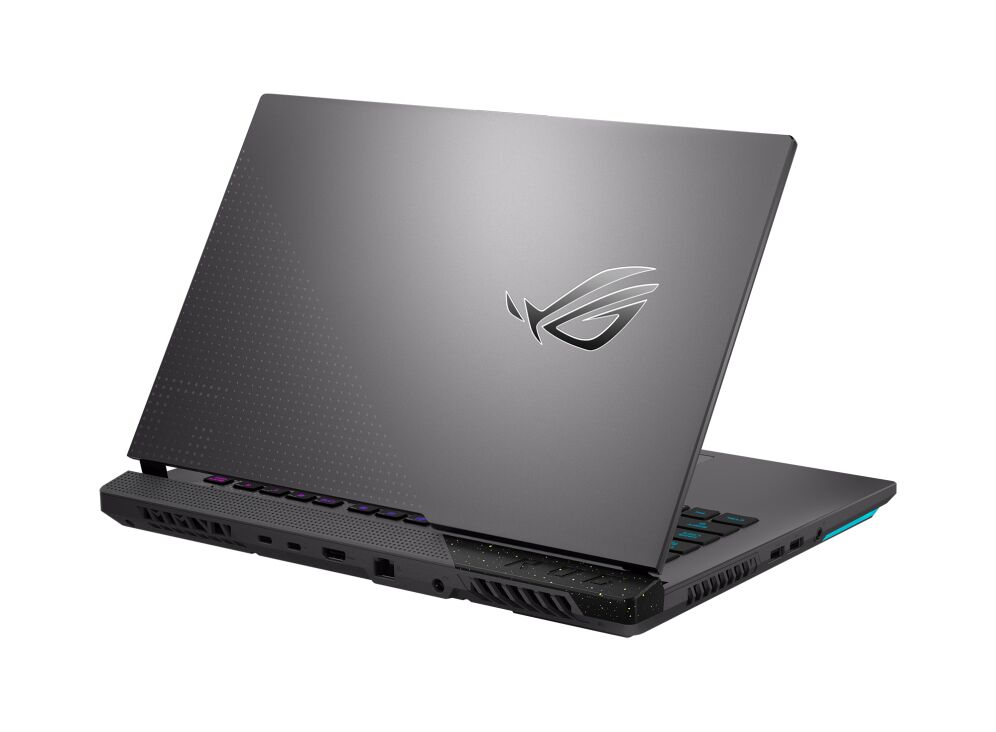
The ASUS ROG Strix G15 G513RS-HQ022W-BE gaming laptop features DDR5-SDRAM memory with two SO-DIMM slots for RAM upgrade capabilities. Maximum supported memory capacity reaches 32 GB, operating at 4800 MHz frequency. Compatible DDR5 SO-DIMM modules can be installed to expand the laptop's memory specifications beyond factory configuration. Upgrade configurations support dual-channel architecture for enhanced performance in memory-intensive applications and gaming workloads.
Memory Upgrade Specifications
| Specification | Value |
|---|---|
| Memory slots | 2x SO-DIMM |
| Form factor | SO-DIMM |
| Memory type | DDR5-SDRAM |
| Frequency | 4800 MHz |
| Maximum RAM | 32 GB |
| Voltage | 1.1V |
| Number of pins | 262-pin |
| Interface | PC5 |
| PC Speed Rating | PC5-4800 (PC5-38400) |
| Bandwidth | 38.4 GB/s |
| Laptop Release date | 10 January 2022 |
Additional Notes
- The ASUS ROG G513RS-HQ022W-BE contains 2 SO-DIMM slots with a combined capacity ceiling of 32 GB, requiring matched pairs for dual-channel operation to prevent performance degradation in memory-intensive workloads.
- DDR5-4800 MHz memory operates at JEDEC standard specifications; third-party modules rated above 4800 MHz will require manual BIOS configuration and may void manufacturer support depending on regional warranty policies.
- SO-DIMM form factor is laptop-specific and physically incompatible with desktop DDR5 components; replacement modules must be sourced from mobile-class product lines only.
- Single-slot upgrades reduce effective bandwidth; asymmetrical configurations (e.g., 16 GB + 8 GB) force the system to operate both slots at the lowest-capacity module's speed and latency, creating a bottleneck in multi-threaded applications.
- Upgrading beyond the existing memory configuration requires removing the factory-installed module first; physical access typically requires partial chassis disassembly and carries electrostatic discharge risk if proper precautions are not followed.
- DDR5 memory pricing and availability fluctuate more than DDR4 alternatives; sourcing matching pairs from identical manufacturers within the same production batch reduces compatibility validation issues during installation.