ASUS ROG G513RS-HQ022W RAM upgrade specifications
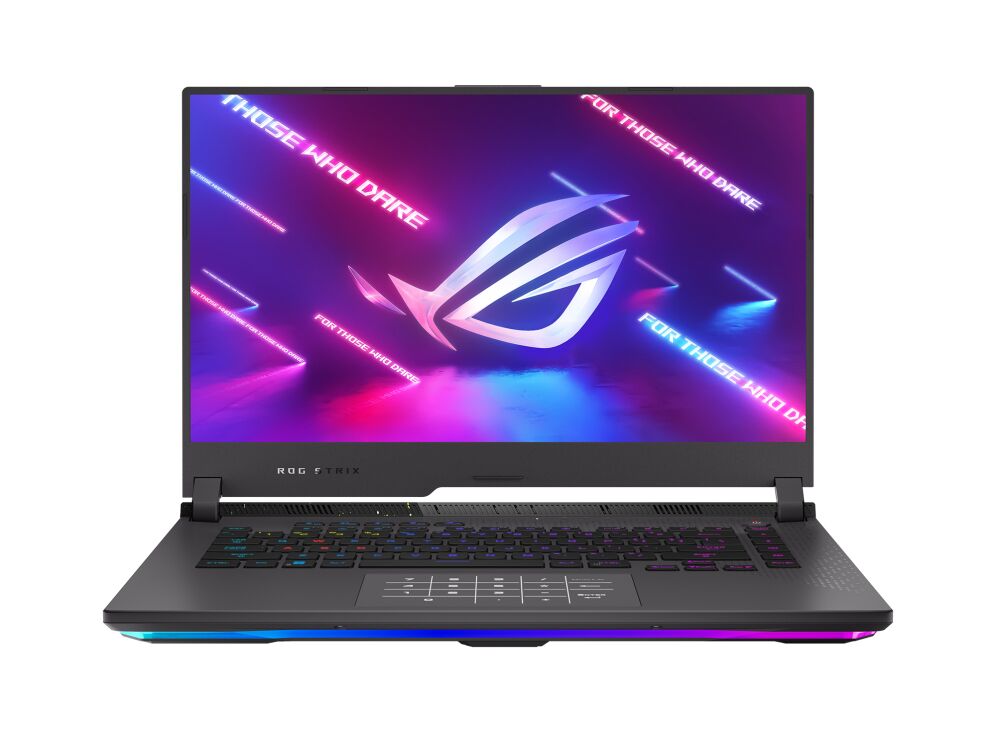
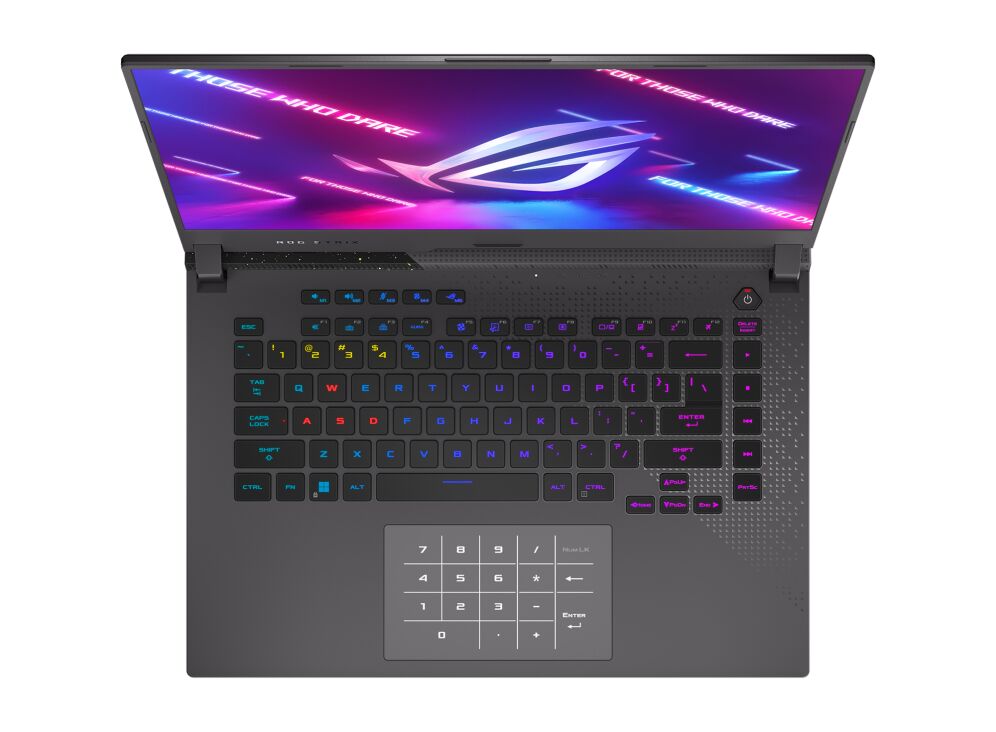


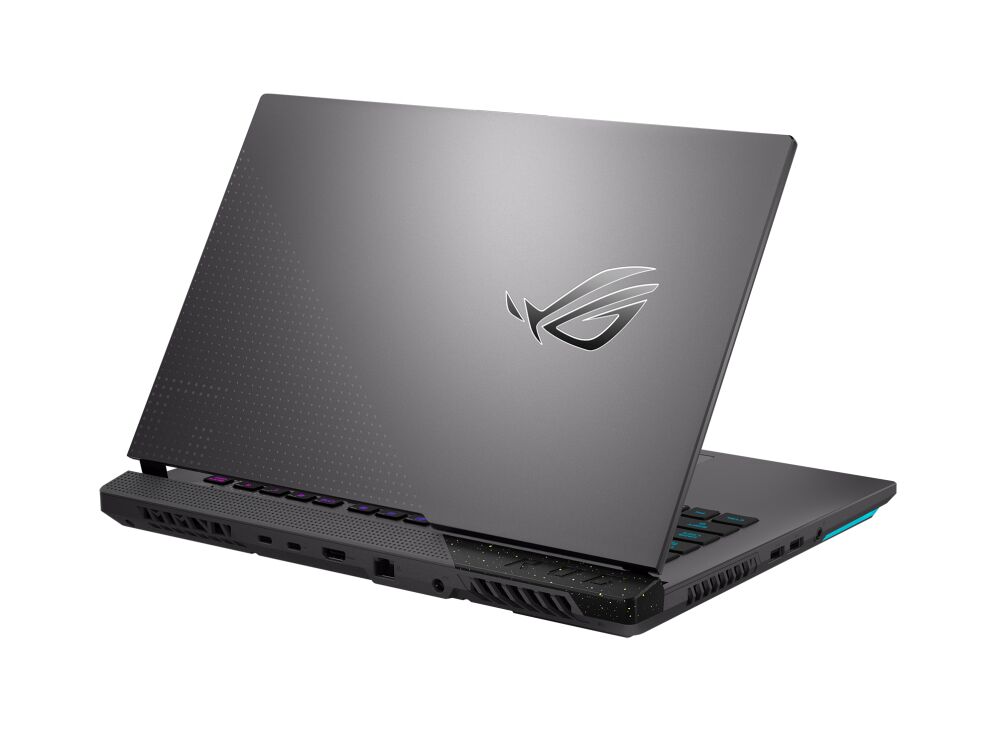
ASUS ROG Strix G15 G513RS-HQ022W features DDR5-SDRAM memory upgrade specifications with two SO-DIMM slots supporting maximum capacity of 32 GB total. The laptop is compatible with DDR5 memory modules operating at 4800 MHz frequency. Upgrade options allow installation of compatible DDR5-SDRAM modules in either or both available slots to enhance system memory performance and multitasking capabilities.
Memory Upgrade Specifications
| Specification | Value |
|---|---|
| Memory slots | 2x SO-DIMM |
| Form factor | SO-DIMM |
| Memory type | DDR5-SDRAM |
| Frequency | 4800 MHz |
| Maximum RAM | 32 GB |
| Voltage | 1.1V |
| Number of pins | 262-pin |
| Interface | PC5 |
| PC Speed Rating | PC5-4800 (PC5-38400) |
| Bandwidth | 38.4 GB/s |
| Laptop Release date | 20 January 2022 |
Additional Notes
- The ASUS ROG G513RS-HQ022W contains 2 SO-DIMM slots, restricting expansion to a maximum of 32 GB total capacity. Asymmetrical configurations (mixed capacity modules) are supported but require both modules operate at the speed of the slower module.
- DDR5-4800 MHz memory operates within JEDEC standard parameters for this generation. Third-party modules rated above 4800 MHz will downclock to 4800 MHz unless the BIOS supports overclocking profiles, which may void the manufacturer's upgrade warranty.
- SO-DIMM form factor constrains module height to approximately 67 mm. Modules with tall heatspreaders or integrated heat management features risk contact interference with the cooling system or display hinges during installation.
- Dual-channel architecture with 2 populated slots delivers maximum memory bandwidth. Single-module upgrades operate in single-channel mode, reducing effective bandwidth by approximately 50 percent and creating a measurable performance penalty in graphics-intensive workloads.
- The 32 GB ceiling on total capacity eliminates future upgrade pathways beyond current maximum specifications. Capacity-based scaling beyond this threshold requires system-level replacement rather than modular enhancement.
- DDR5 modules from the DDR4 generation are physically and electrically incompatible. Insertion of legacy memory types causes POST failure and potential contact damage to the slot connector.