ASUS ROG G513RS-HQ018W RAM upgrade specifications
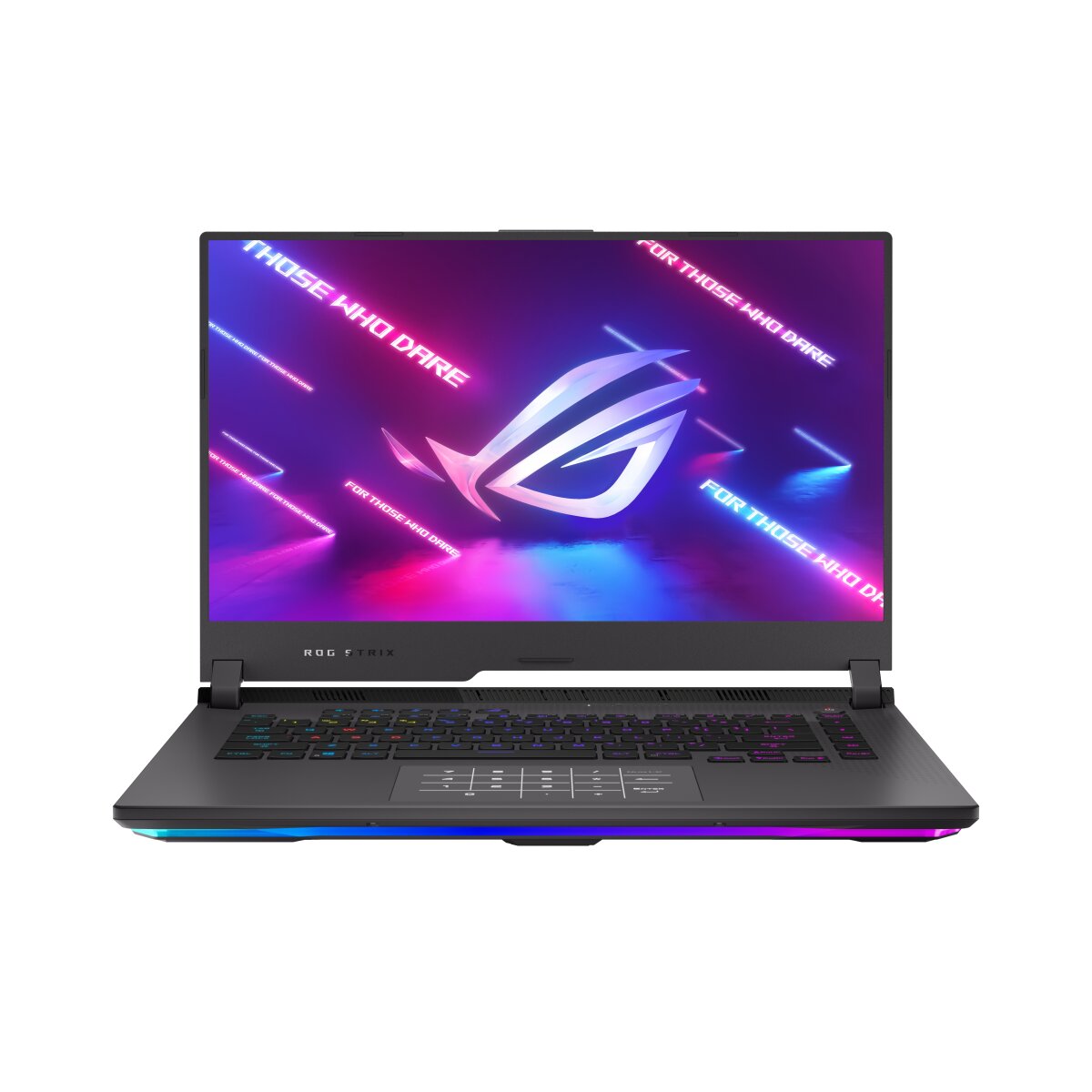




ASUS ROG Strix G15 series model G513RS-HQ018W features two SO-DIMM memory slots supporting DDR5-SDRAM upgrades. Maximum RAM capacity reaches 32 GB total, with compatible modules operating at 4800 MHz frequency. The laptop specifications accommodate DDR5 memory upgrades for enhanced multitasking and performance capabilities. Existing RAM configurations can be expanded by installing additional DDR5-SDRAM modules in available SO-DIMM slots, subject to maximum capacity limitations.
Memory Upgrade Specifications
| Specification | Value |
|---|---|
| Memory slots | 2x SO-DIMM |
| Form factor | SO-DIMM |
| Memory type | DDR5-SDRAM |
| Frequency | 4800 MHz |
| Maximum RAM | 32 GB |
| Voltage | 1.1V |
| Number of pins | 262-pin |
| Interface | PC5 |
| PC Speed Rating | PC5-4800 (PC5-38400) |
| Bandwidth | 38.4 GB/s |
| Laptop Release date | 17 February 2022 |
Additional Notes
- The ASUS ROG G513RS-HQ018W contains 2 SO-DIMM slots, establishing a hard ceiling of 32 GB total capacity regardless of future DDR5 density improvements, as the slot count cannot be increased through firmware or BIOS updates.
- DDR5-4800 MHz operation requires validation that replacement modules match the OEM's qualified vendor list to prevent POST failures or data corruption, as DDR5 compatibility margins remain tighter than DDR4 across manufacturers.
- SO-DIMM form factor constrains upgrade options to laptop-specific modules; desktop DDR5 UDIMMs are physically incompatible and will not mechanically fit the retention clips or contact points.
- Single-module upgrades introduce asymmetrical memory configurations that may disable dual-channel bandwidth optimization, reducing effective throughput by up to 50% compared to paired-module operation at 4800 MHz.
- Warranty coverage for memory upgrades typically voids protection if non-approved modules cause hardware failure; installation by unauthorized service centers may similarly trigger warranty exclusions depending on ASUS regional policies.
- The 32 GB maximum capacity leaves no headroom for future OS or application bloat; systems approaching this limit will experience storage-to-memory swapping penalties that degrade responsiveness independent of processor performance.
- DDR5-4800 MHz introduces latency penalties compared to lower-frequency DDR4 in single-threaded workloads, offsetting capacity gains; gaming frame rates may remain static or decline relative to DDR4-3200 configurations with equivalent core counts.