ASUS ROG G513RS-HQ020W RAM upgrade specifications




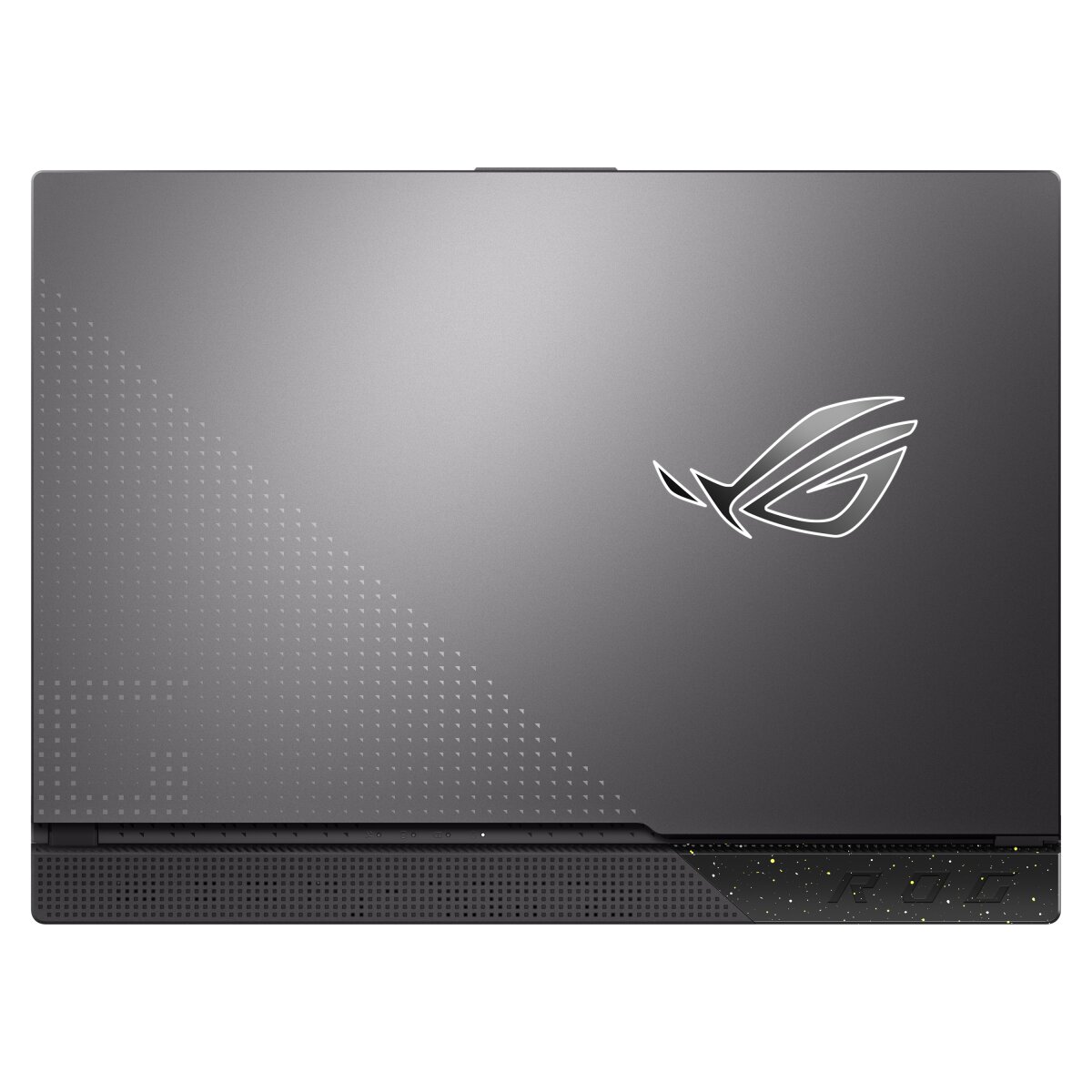
The ASUS ROG Strix G15 G513RS-HQ020W features DDR5-SDRAM memory upgrade specifications. The laptop contains two SO-DIMM memory slots supporting maximum RAM capacity of 32 GB total. Compatible memory modules operate at 4800 MHz frequency. Upgrade options allow installation of DDR5 SO-DIMM modules to enhance system performance and multitasking capabilities. The specifications indicate support for high-speed DDR5 memory technology, enabling efficient data processing for gaming and professional applications on the ASUS G513RS-HQ020W model.
Memory Upgrade Specifications
| Specification | Value |
|---|---|
| Memory slots | 2x SO-DIMM |
| Form factor | SO-DIMM |
| Memory type | DDR5-SDRAM |
| Frequency | 4800 MHz |
| Maximum RAM | 32 GB |
| Voltage | 1.1V |
| Number of pins | 262-pin |
| Interface | PC5 |
| PC Speed Rating | PC5-4800 (PC5-38400) |
| Bandwidth | 38.4 GB/s |
Additional Notes
- The ASUS ROG G513RS-HQ020W supports only DDR5 modules, making DDR4 memory physically and electrically incompatible due to different notch positions and voltage requirements.
- The 32 GB maximum capacity limit stems from chipset or BIOS restrictions, preventing the use of higher-density modules even if physically installable.
- DDR5-4800 represents the JEDEC base specification, meaning the system may accept modules rated at higher speeds but will downclock them to 4800 MHz unless XMP/EXPO profiles are enabled in BIOS.
- The SO-DIMM form factor requirement excludes standard desktop DIMM modules, which are physically longer and incompatible with laptop memory slots.
- Dual-channel configuration becomes possible only when identical modules populate both slots, maximizing memory bandwidth for integrated graphics and CPU operations.
- Mixed module configurations with different speeds will force all modules to operate at the slowest stick's frequency, creating a performance bottleneck.
- DDR5's on-die ECC operates independently of system-level error correction, providing background data integrity without user configuration.
- Voltage regulation integrated into DDR5 modules themselves reduces motherboard power delivery stress compared to DDR4's mainboard-based voltage control.
- Soldered memory configurations do not apply here, as both slots accept removable SO-DIMM modules for user-accessible upgrades.
- Higher-frequency DDR5 modules beyond 4800 MHz may require manual BIOS timing adjustments if automatic profile loading fails during POST.
- Warranty preservation depends on using non-destructive installation methods, as memory upgrades typically do not void coverage unless physical damage occurs during the process.