ASUS ROG G614JI-AS94 RAM upgrade specifications
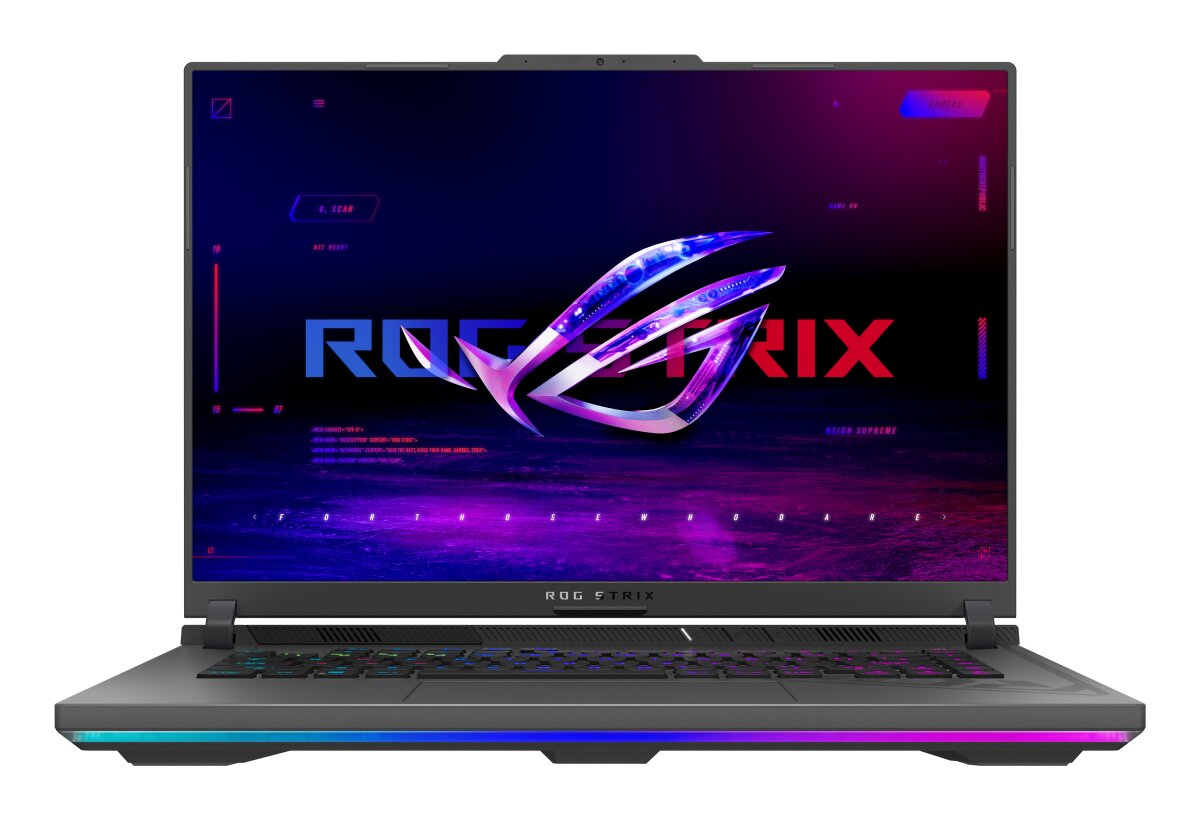
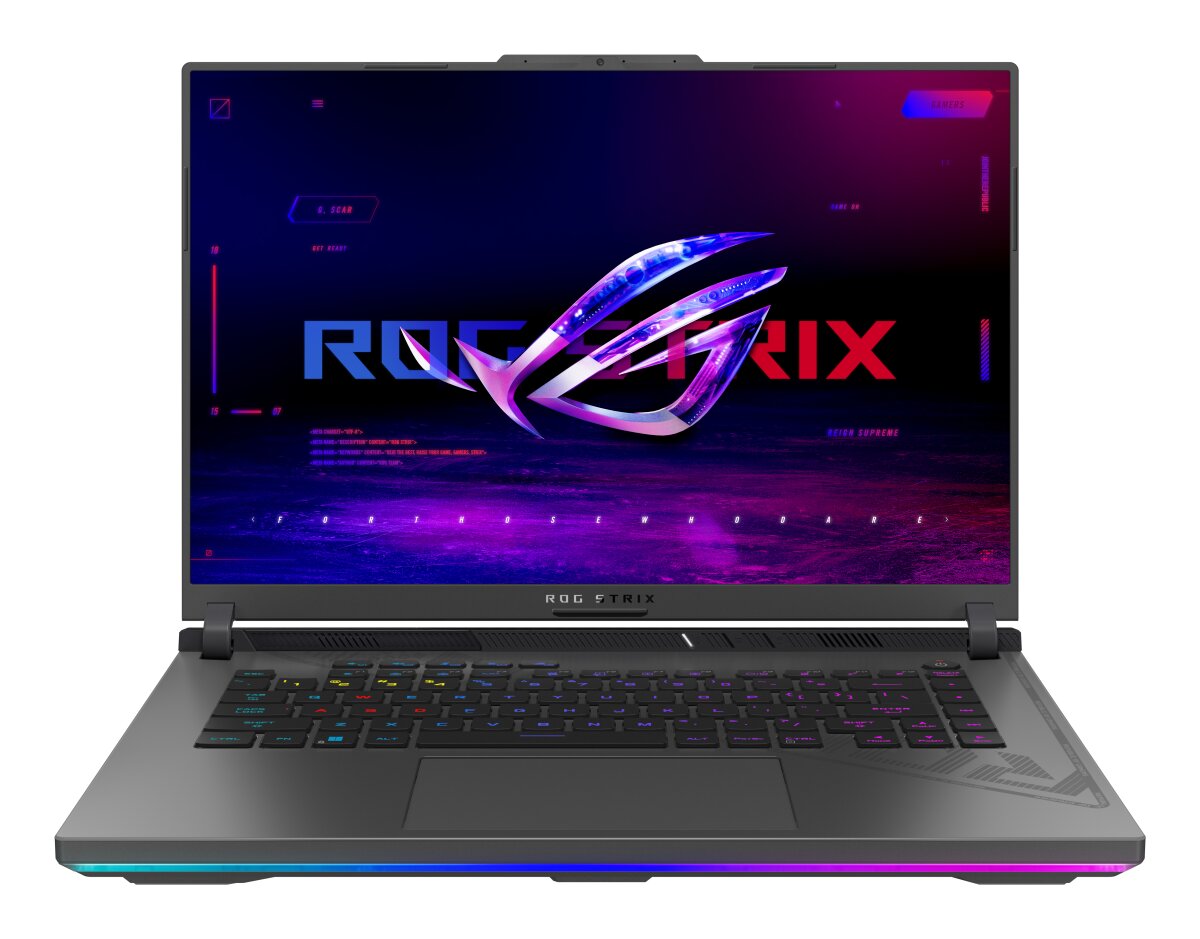
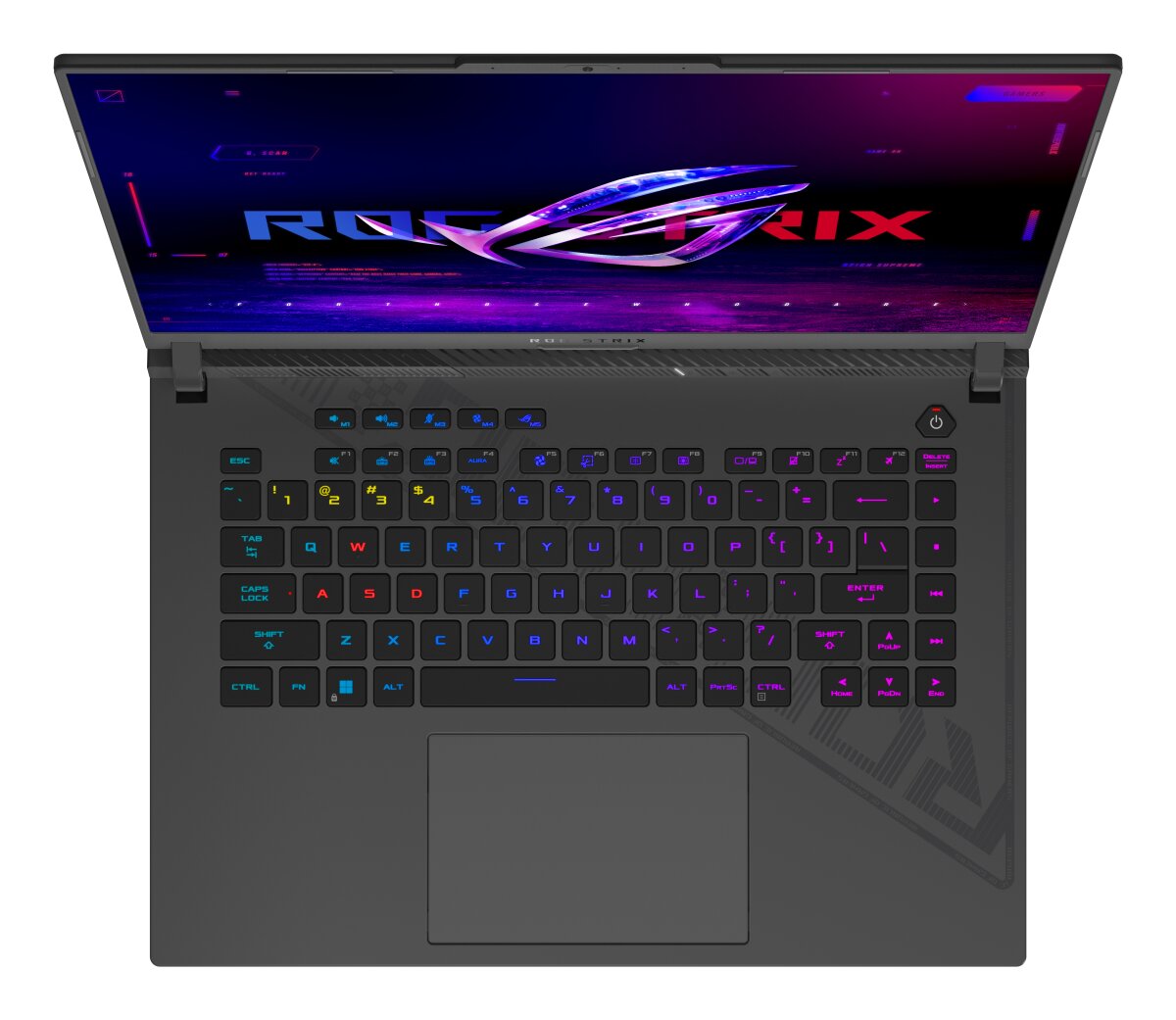
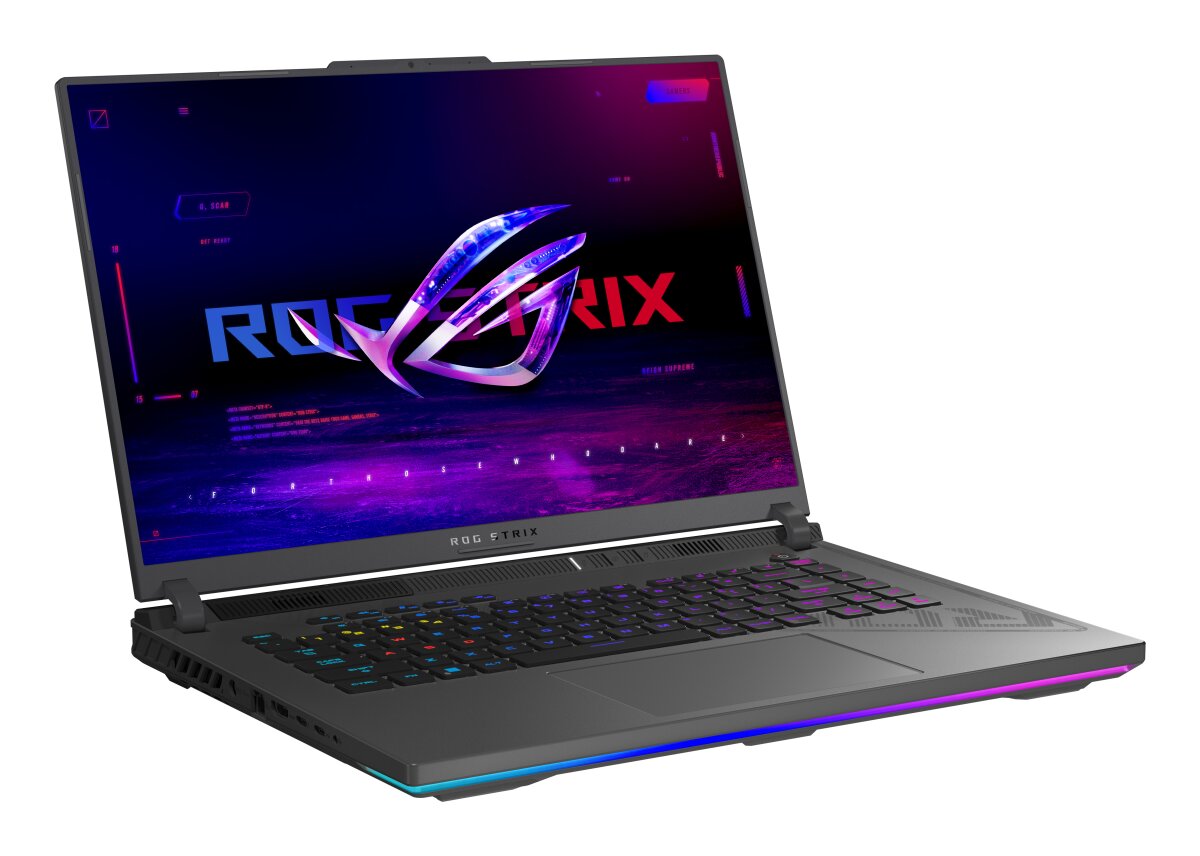
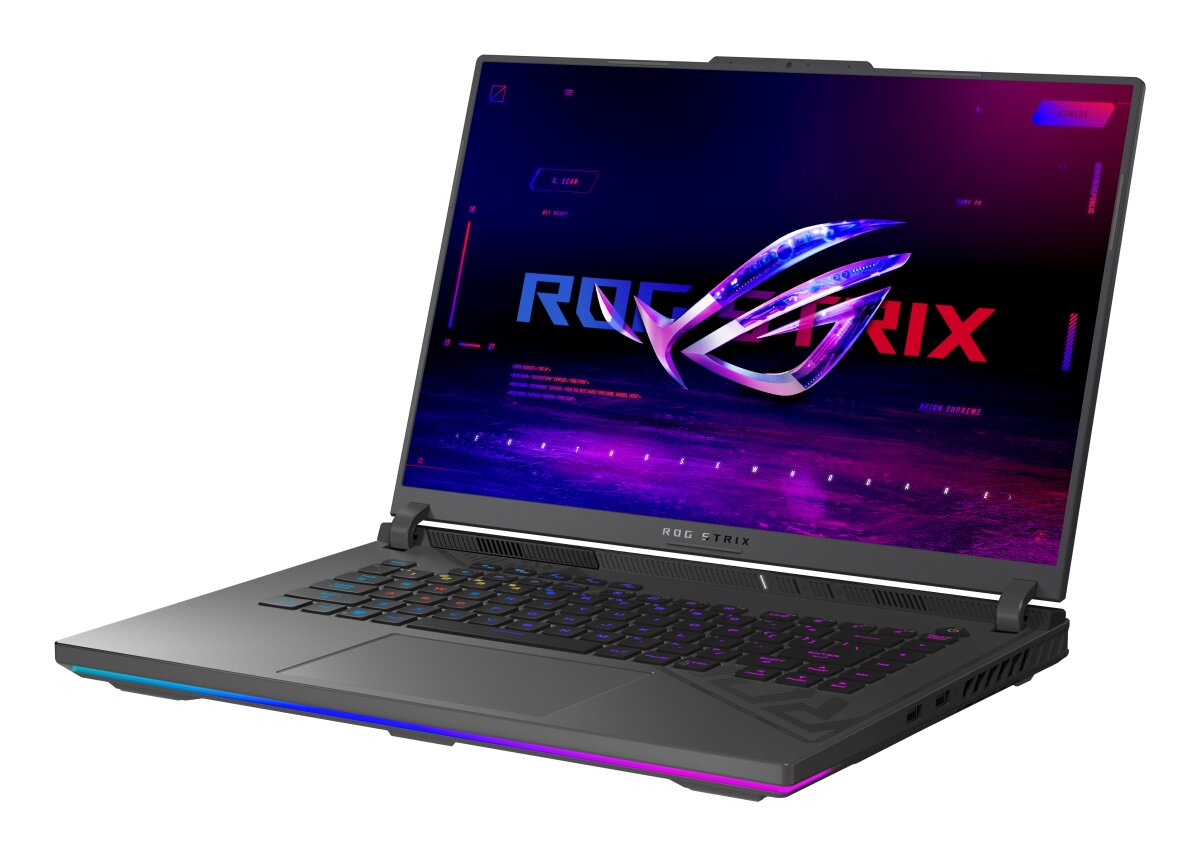
The ASUS ROG Strix G16 G614JI-AS94 laptop features DDR5-SDRAM memory upgrade capacity with two SO-DIMM slots supporting maximum RAM of 32 GB total. Compatible memory modules operate at 4800 MHz frequency specifications. The upgrade configuration allows users to expand memory capacity using DDR5 SO-DIMM form factor modules within the two available slots to achieve maximum supported capacity of 32 GB for enhanced system performance and multitasking capabilities.
Memory Upgrade Specifications
| Specification | Value |
|---|---|
| Memory slots | 2x SO-DIMM |
| Form factor | SO-DIMM |
| Memory type | DDR5-SDRAM |
| Frequency | 4800 MHz |
| Maximum RAM | 32 GB |
| Voltage | 1.1V |
| Number of pins | 262-pin |
| Interface | PC5 |
| PC Speed Rating | PC5-4800 (PC5-38400) |
| Bandwidth | 38.4 GB/s |
Additional Notes
- The ASUS ROG G614JI-AS94 uses SO-DIMM form factor, which is physically smaller than desktop DIMM modules and requires laptop-specific memory sticks; standard desktop RAM cannot be installed in this system.
- DDR5-4800 memory operates at higher voltage and thermal specifications than DDR5-4400 alternatives; mixing incompatible DDR5 speed grades within the 2 slots may force both modules to run at the lowest common frequency, negating speed advantages of faster modules.
- The 32 GB ceiling with 2 slots means maximum density is 16 GB per slot; single-channel performance penalties occur if only 1 slot is populated, reducing bandwidth efficiency for memory-intensive workloads like 3D rendering or data analysis.
- DDR5-4800 SO-DIMM modules generate more heat than DDR5-4400 variants; the laptop's thermal design must accommodate this, and prolonged gaming sessions or heavy multitasking may throttle memory performance if airflow is obstructed.
- Warranty coverage typically remains intact for RAM upgrades using manufacturer-approved modules; however, using non-standard third-party DDR5-4800 SO-DIMM sticks from untested vendors may void support claims if memory errors occur.
- The 32 GB maximum capacity limitation constrains future-proofing; applications requiring more than 32 GB of system memory cannot run on this platform regardless of storage expansion, creating a hard performance ceiling after 5-7 years as software demands increase.