ASUS ROG G614JI-N3138W RAM upgrade specifications
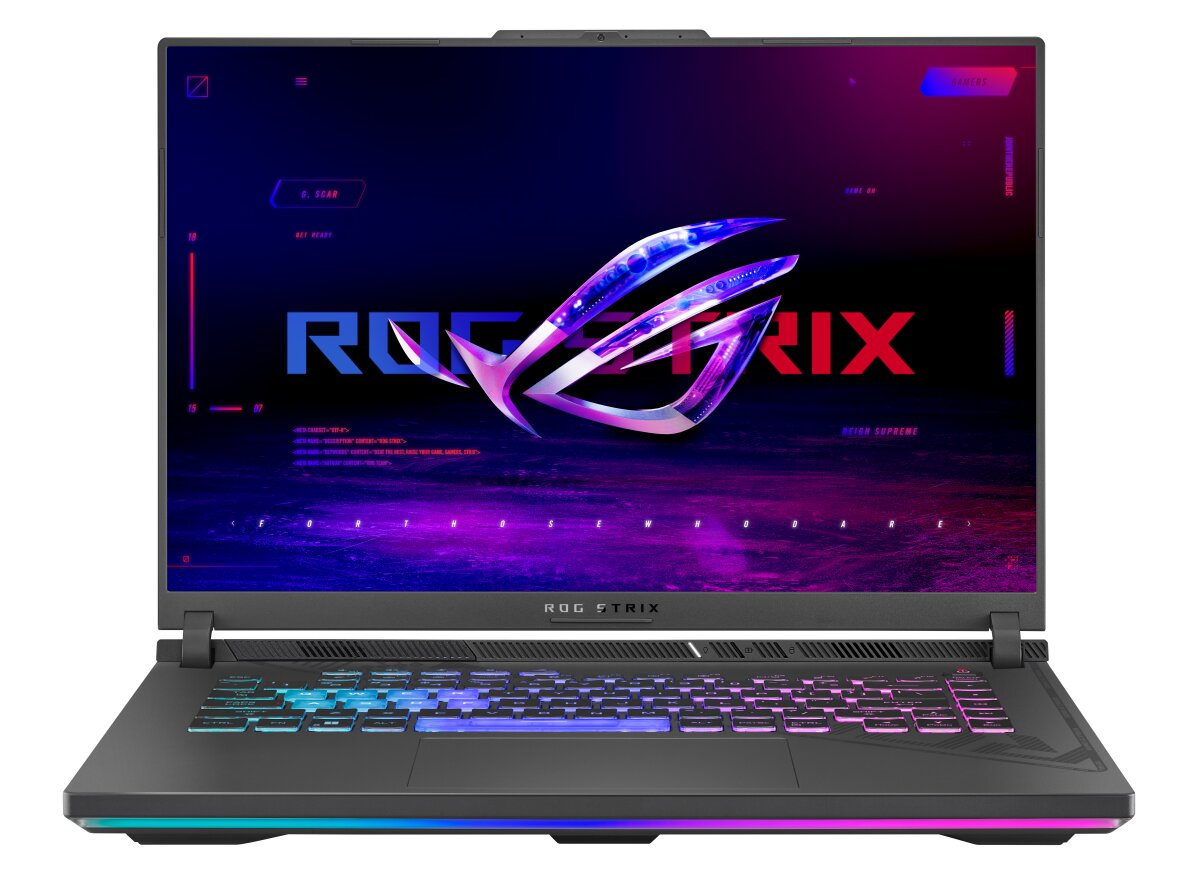
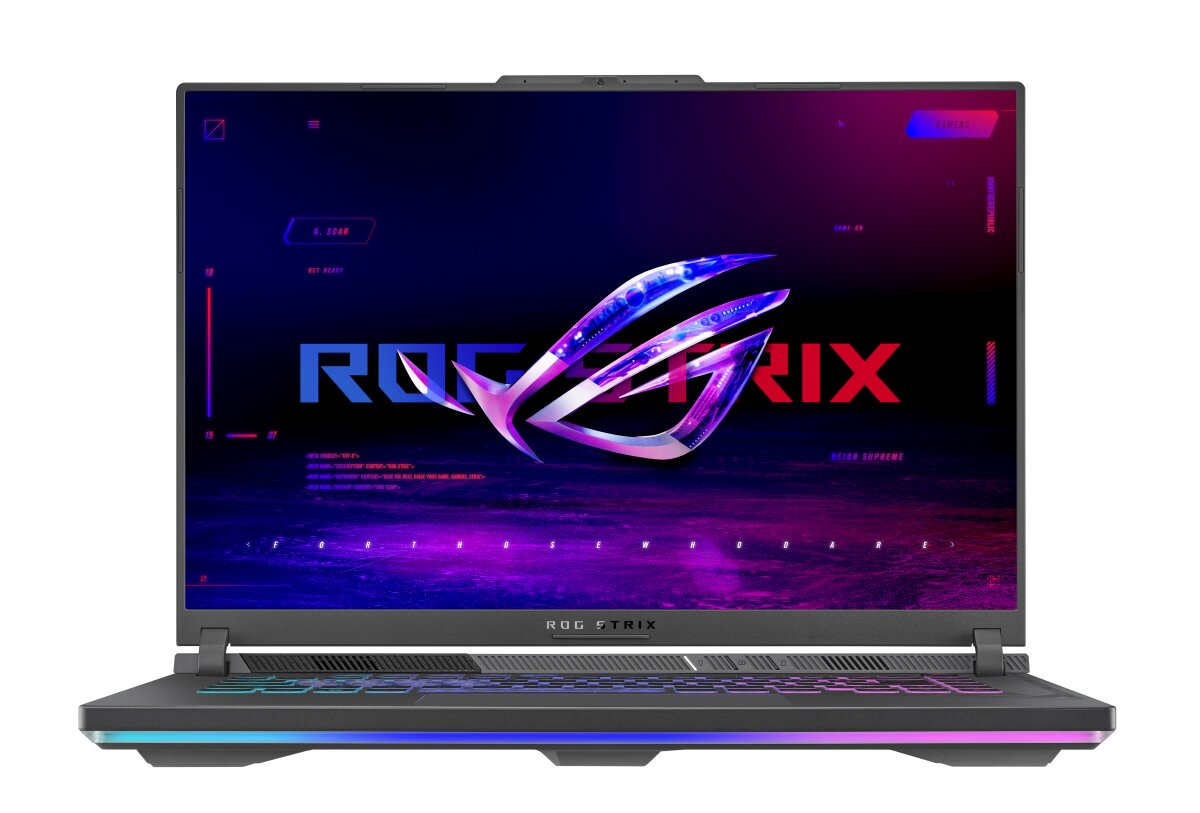
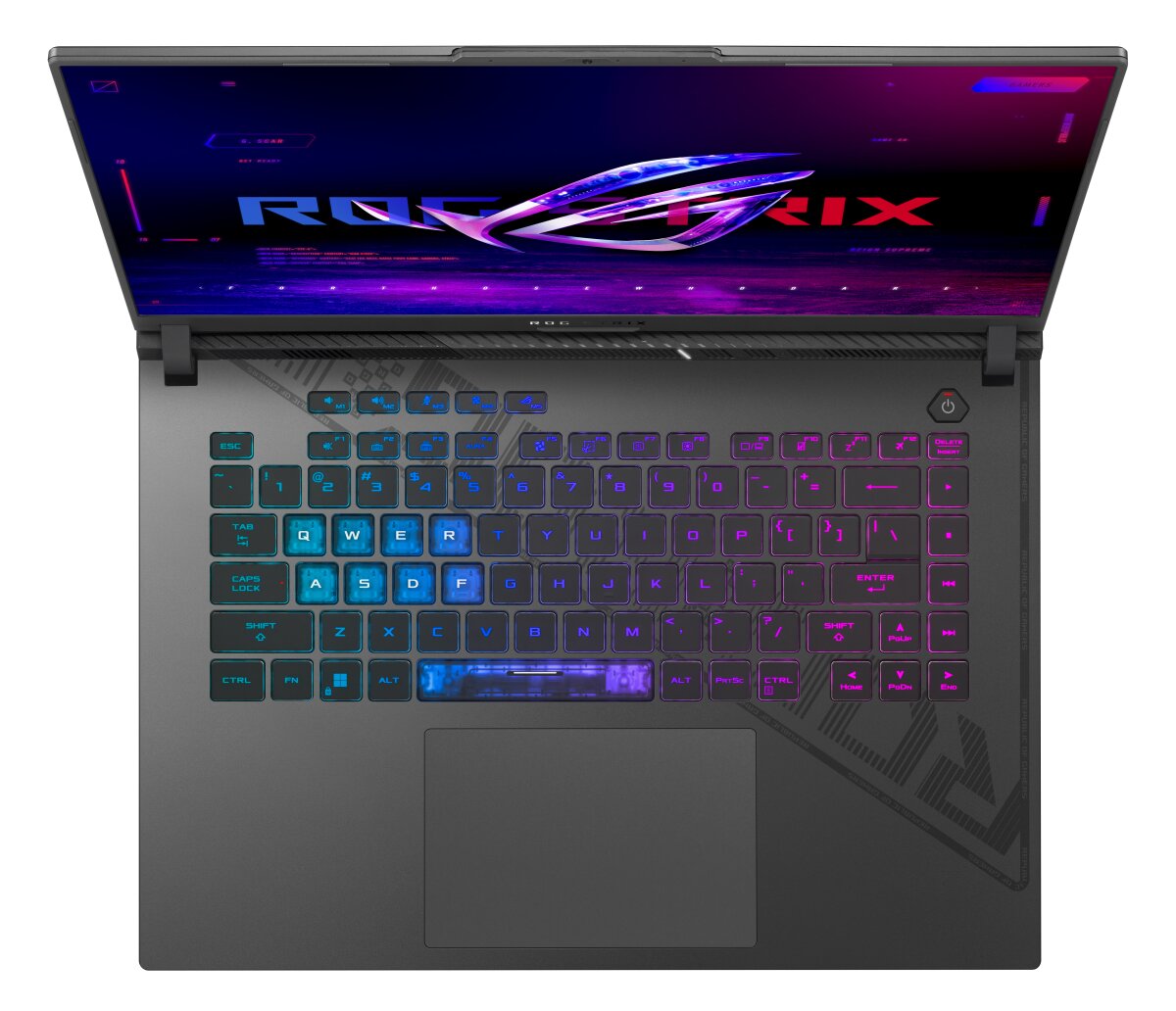
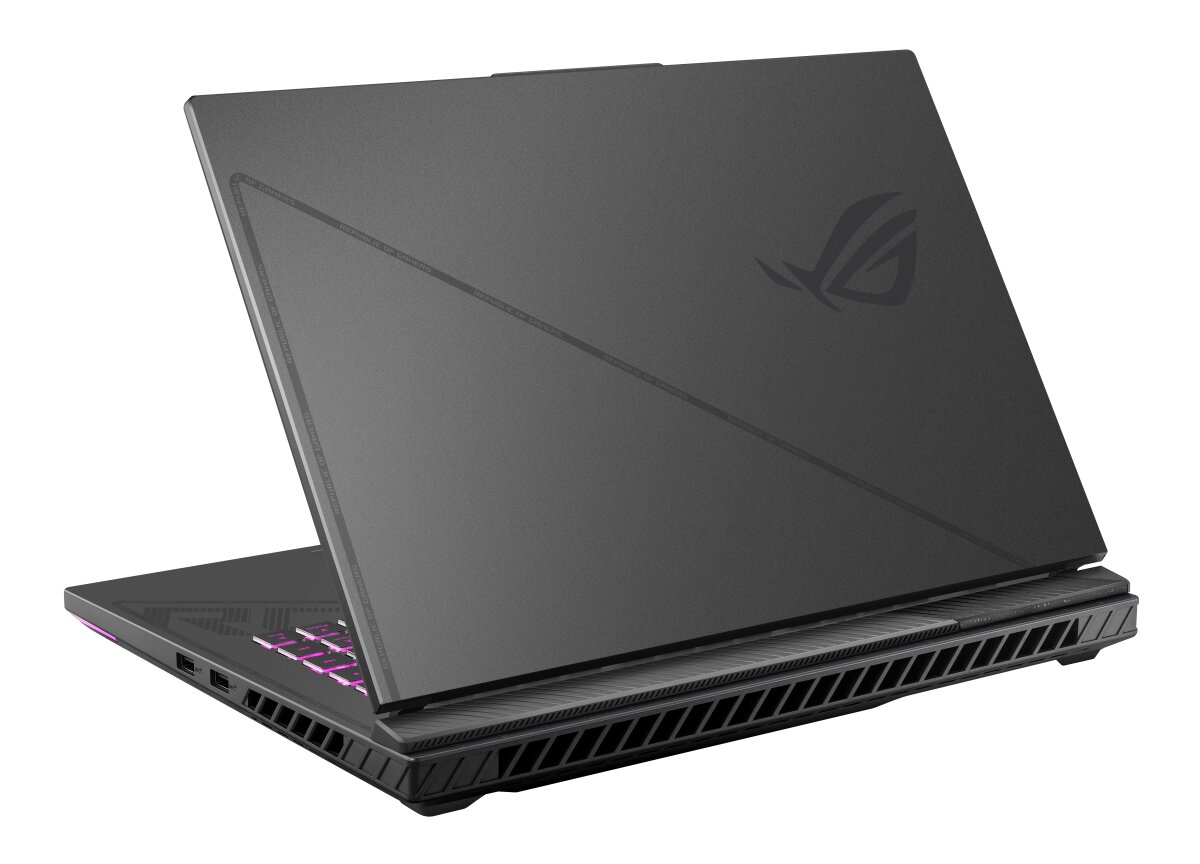
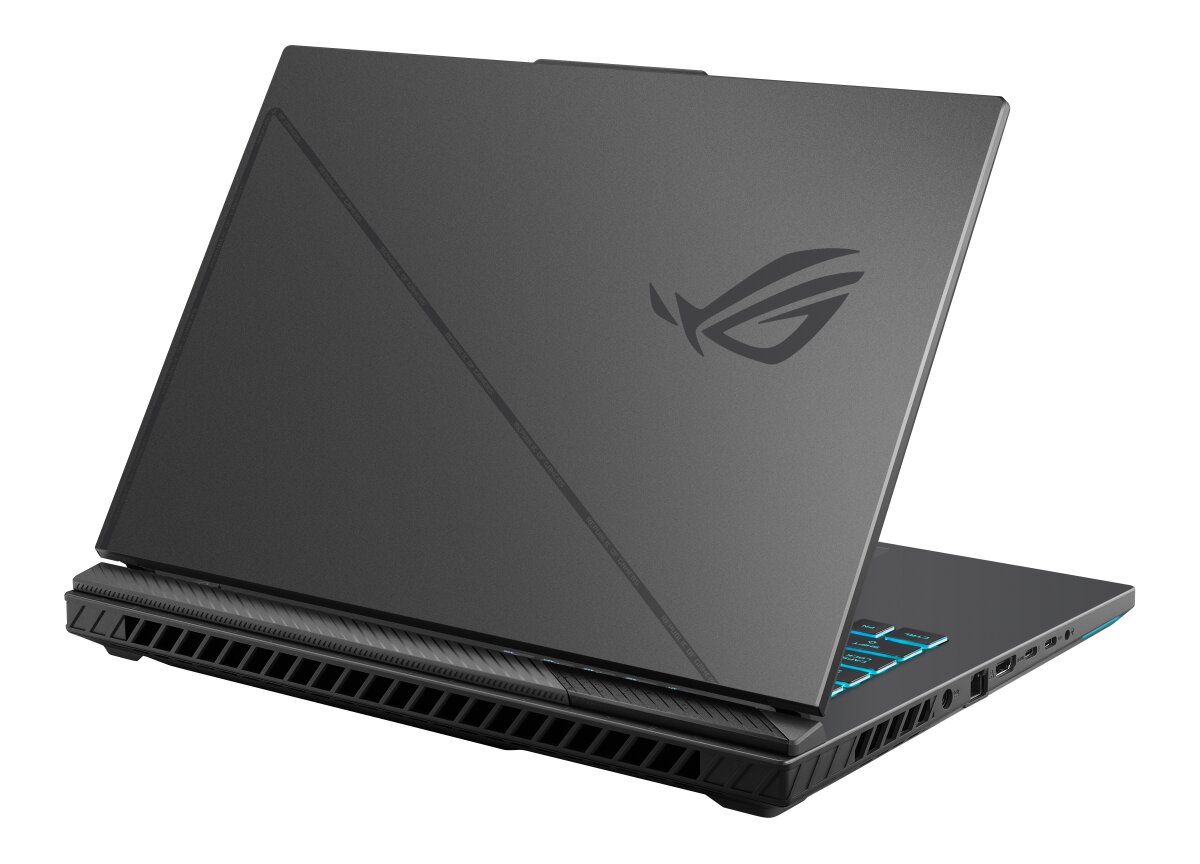
ASUS ROG Strix G16 model G614JI-N3138W features DDR5-SDRAM memory upgrade specifications with two SO-DIMM slots supporting maximum RAM capacity of 32 GB total. Compatible memory modules operate at 4800 MHz frequency. The laptop's memory upgrade configuration accommodates SO-DIMM form factor specifications, enabling users to expand system memory within the defined maximum specifications for enhanced multitasking and performance capabilities.
Memory Upgrade Specifications
| Specification | Value |
|---|---|
| Memory slots | 2x SO-DIMM |
| Form factor | SO-DIMM |
| Memory type | DDR5-SDRAM |
| Frequency | 4800 MHz |
| Maximum RAM | 32 GB |
| Voltage | 1.1V |
| Number of pins | 262-pin |
| Interface | PC5 |
| PC Speed Rating | PC5-4800 (PC5-38400) |
| Bandwidth | 38.4 GB/s |
| Laptop Release date | 04 May 2023 |
Additional Notes
- The dual slot configuration allows for a dual channel memory architecture which doubles the available bandwidth for the processor compared to single module setups.
- Upgrading memory on the ASUS ROG G614JI-N3138W requires the removal of the bottom chassis cover which may involve standard internal clips and screws.
- The maximum supported capacity indicates a hardware or firmware limitation that prevents the utilization of 32 GB or 64 GB high density modules per slot.
- Mixing modules with different timings or ranks will result in the system defaulting to the slowest common latency values to maintain stability.
- Integrated power management circuits on the DDR5 modules shift voltage regulation tasks from the motherboard to the RAM itself to reduce thermal load near the CPU.
- The 4800 MHz frequency serves as a hard cap for data transfer rates regardless of whether higher clocked 5200 MHz or 5600 MHz modules are installed.
- On-die Error Correction Code inherent to this memory type improves reliability by detecting single bit errors within the silicon during high load operations.
- The physical SO-DIMM interface is incompatible with older DDR4 hardware due to a different notch position and pin count.