ASUS ROG G614JI-N3187W RAM upgrade specifications
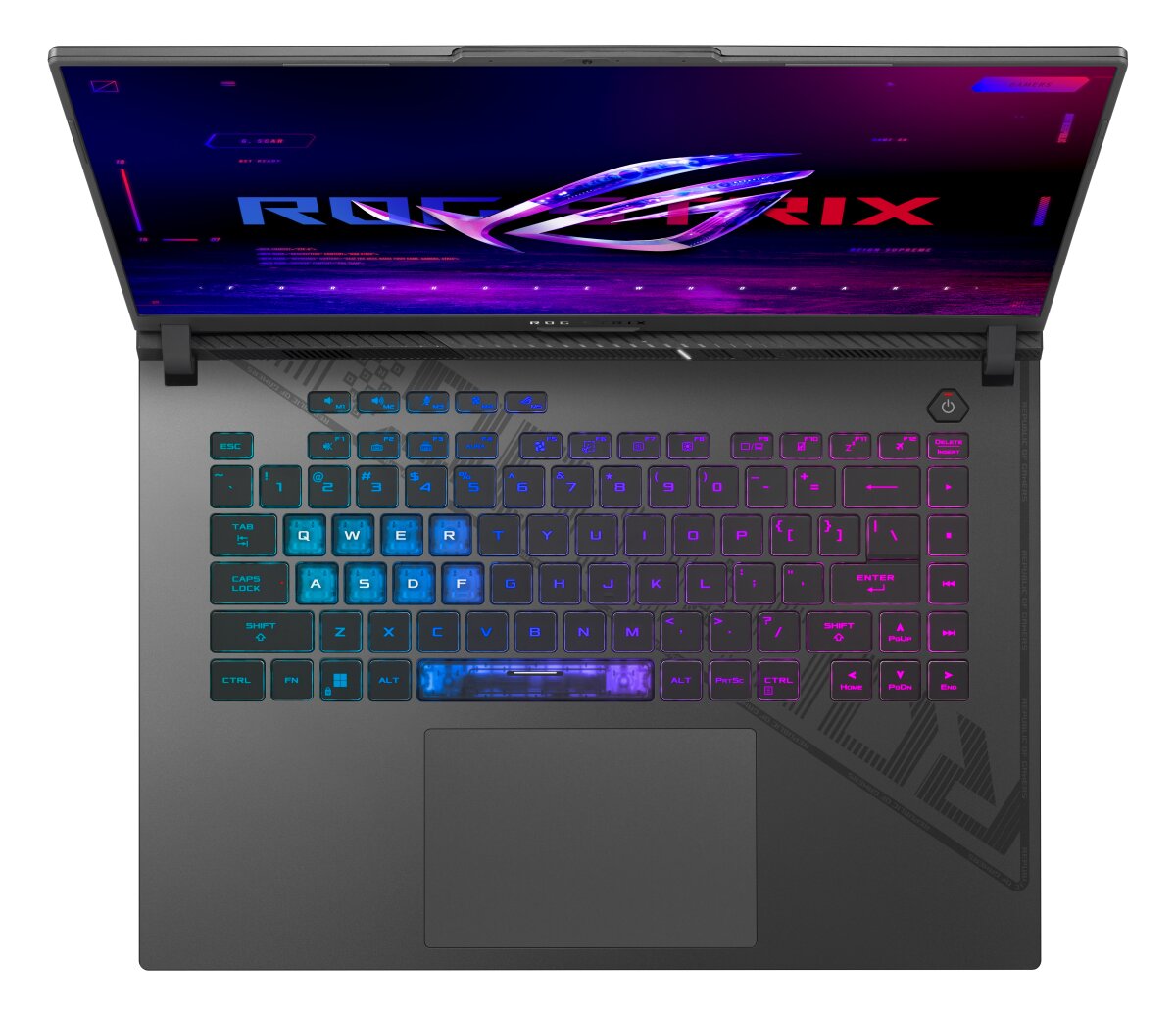



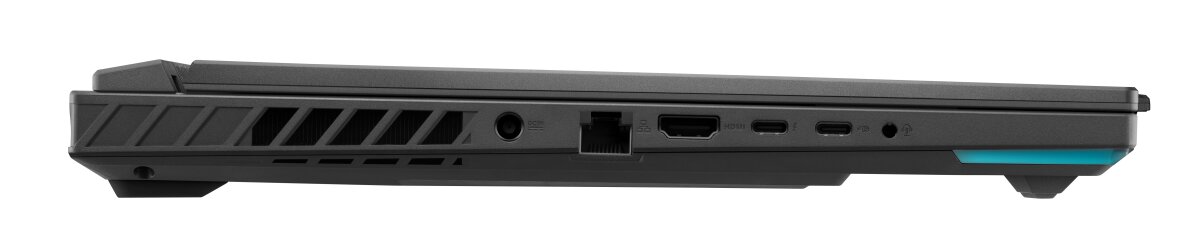
The ASUS ROG Strix G16 G614JI-N3187W laptop supports DDR5-SDRAM memory upgrades with two SO-DIMM slots. Maximum RAM capacity reaches 32 GB total, with each slot accommodating DDR5 memory modules operating at 4800 MHz. Compatible memory upgrades utilize the SO-DIMM form factor specifications. The upgrade slots allow for flexible memory configurations to enhance system performance.
Memory Upgrade Specifications
| Specification | Value |
|---|---|
| Memory slots | 2x SO-DIMM |
| Form factor | SO-DIMM |
| Memory type | DDR5-SDRAM |
| Frequency | 4800 MHz |
| Maximum RAM | 32 GB |
| Voltage | 1.1V |
| Number of pins | 262-pin |
| Interface | PC5 |
| PC Speed Rating | PC5-4800 (PC5-38400) |
| Bandwidth | 38.4 GB/s |
Additional Notes
- The ASUS ROG G614JI-N3187W accepts only DDR5 modules, eliminating backward compatibility with DDR4 or earlier standards due to different notch positions and voltage requirements.
- The 32 GB maximum capacity reflects a chipset or motherboard limitation, preventing full utilization of theoretical DDR5 addressing capabilities that extend beyond this threshold.
- SO-DIMM form factor restrictions prevent installation of standard DIMM modules, which are physically incompatible with the smaller 260-pin laptop socket design.
- The 4800 MHz specification represents the JEDEC-standard frequency floor for DDR5, meaning modules rated at higher speeds will operate at this baseline unless XMP profiles are supported and enabled.
- Dual-channel architecture across 2 slots requires matched module pairs to maintain symmetrical bandwidth, as mismatched capacities may force single-channel operation or asymmetric configurations.
- Installation requires accessing the bottom panel or keyboard deck depending on internal layout, with potential warranty implications if security seals are present on fasteners or chassis access points.
- The 4800 MHz frequency operates at a CAS latency typically between CL38 and CL40, resulting in absolute latency near 15.8 nanoseconds despite the higher nominal speed compared to DDR4.
- Thermal headroom in gaming chassis designs may allow sustained operation at JEDEC voltage of 1.1V without throttling, whereas higher-frequency modules requiring 1.25V or above could trigger temperature-based performance scaling.
- Memory controller specifications in the underlying processor determine actual dual-channel bandwidth ceiling, potentially capping effective throughput below the theoretical 76.8 GB/s that 4800 MHz DDR5 modules can deliver.
- Asymmetric configurations using one 16 GB and one 8 GB module will enable flex mode on compatible controllers, maintaining dual-channel operation for the first 16 GB while reverting to single-channel for the remaining capacity.