ASUS ROG G614JI-N3189 RAM upgrade specifications


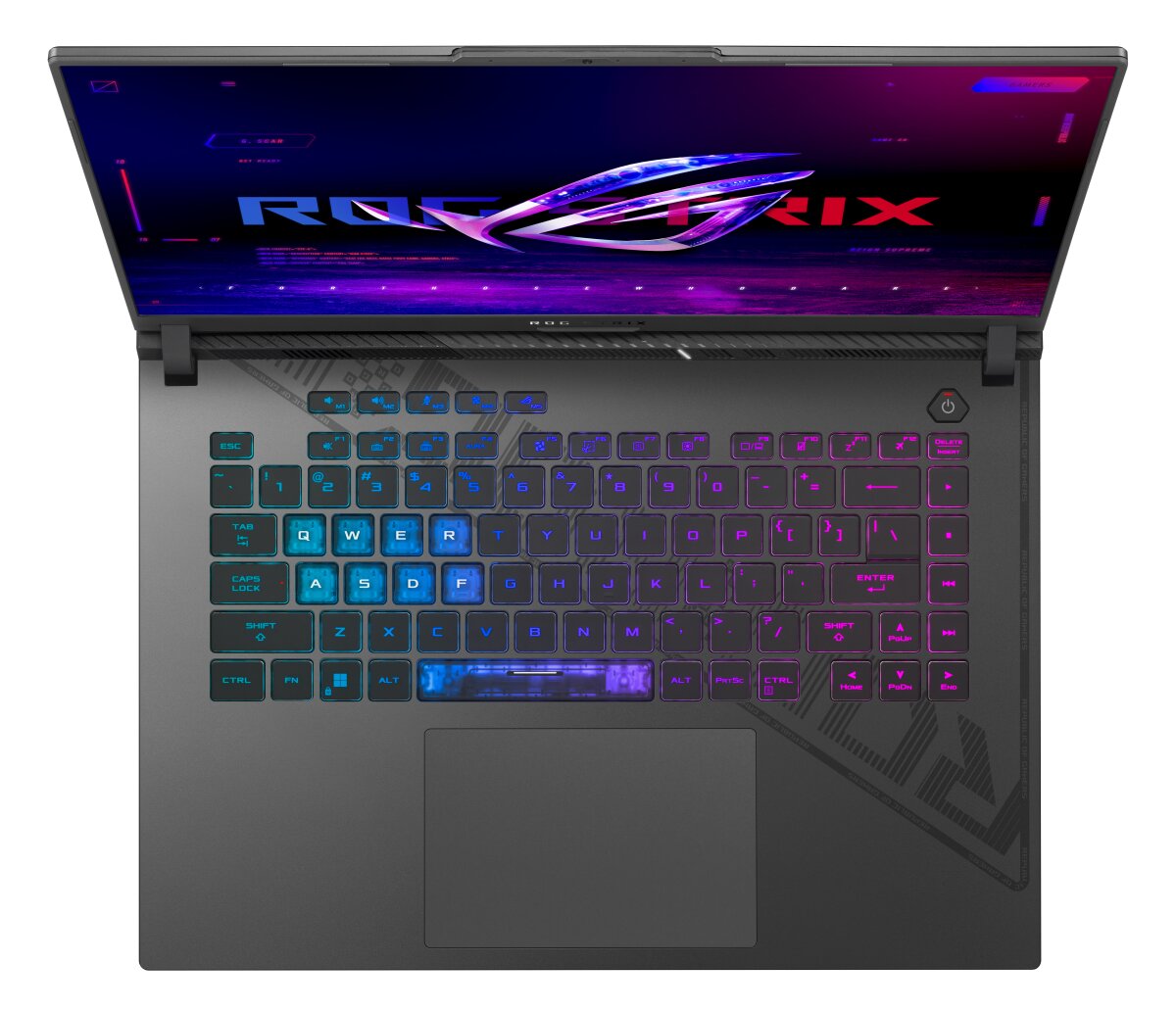
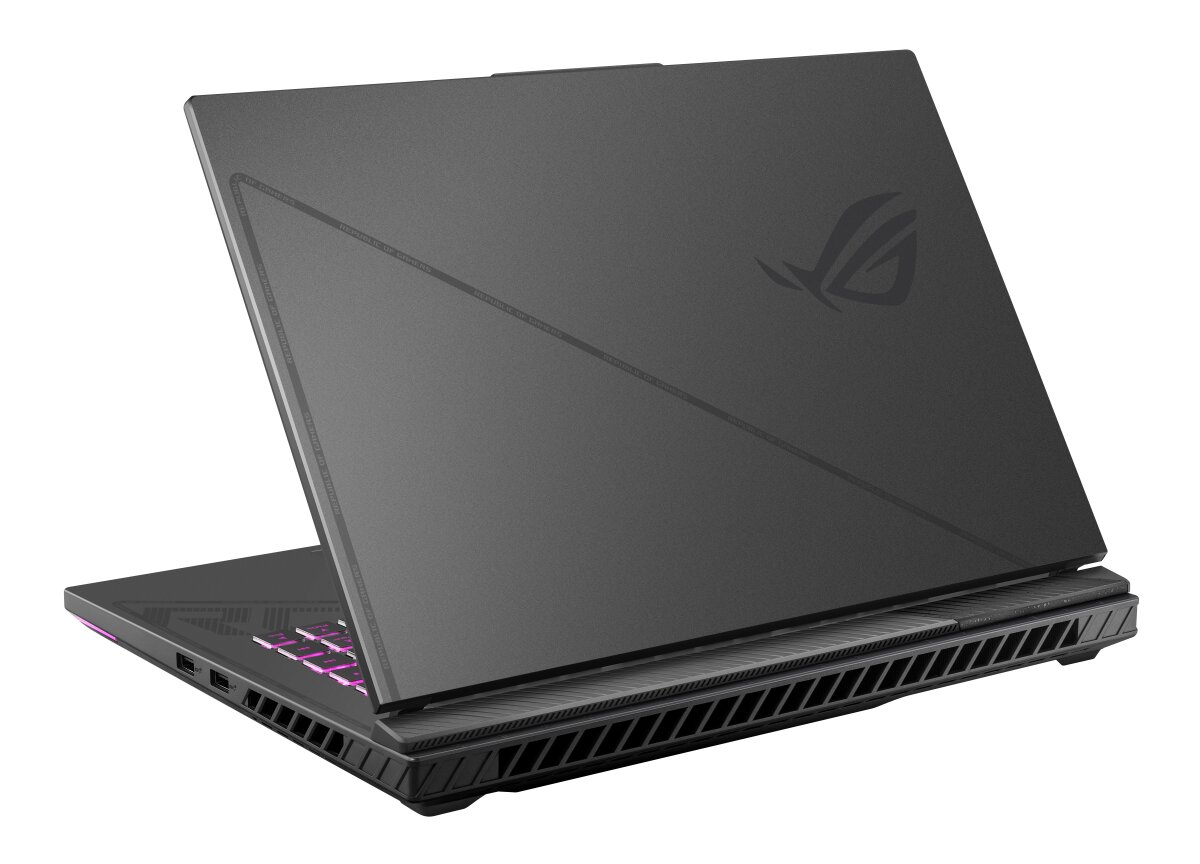
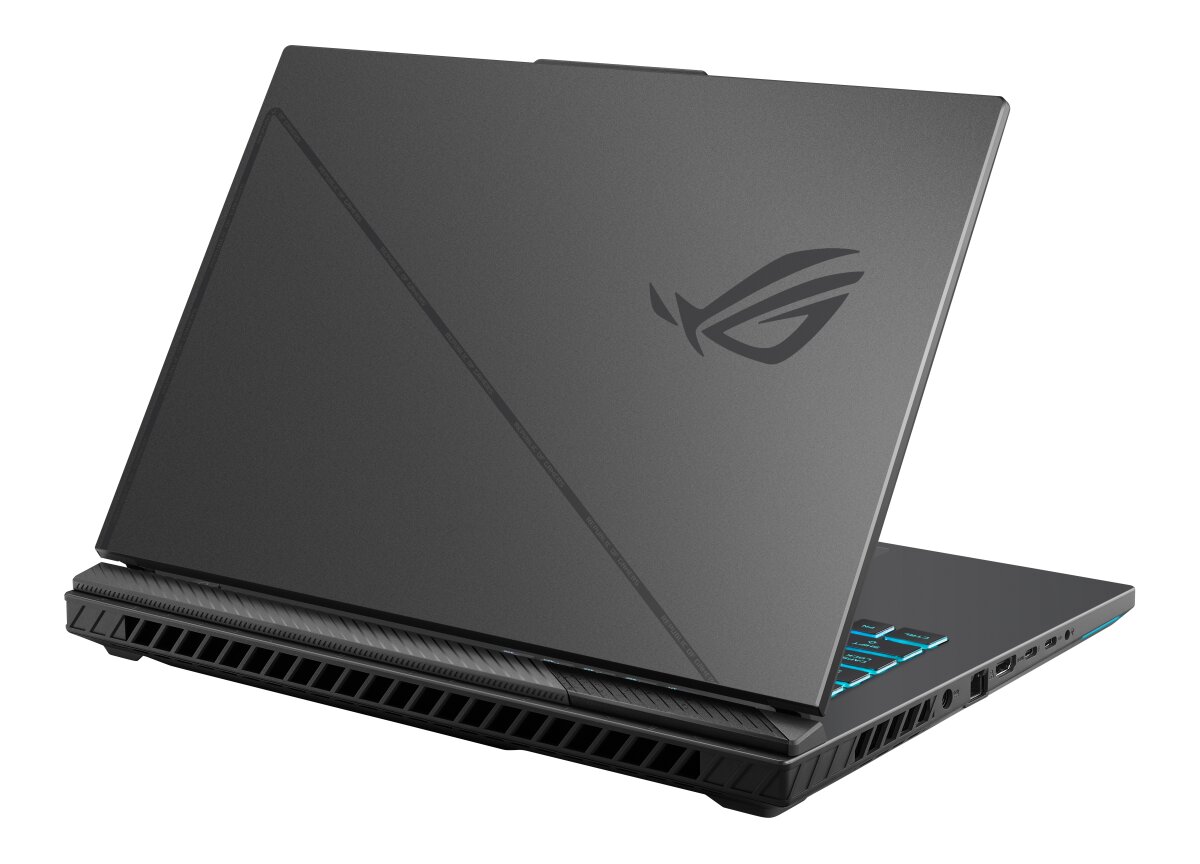
ASUS ROG Strix G16 G614JI-N3189 laptop memory upgrade specifications include DDR5-SDRAM compatible modules. The upgrade configuration supports two SO-DIMM slots with maximum RAM capacity of 32 GB total. Memory specifications require DDR5-SDRAM modules operating at 4800 MHz frequency. Compatible RAM upgrades utilize SO-DIMM form factor for this gaming laptop model.
Memory Upgrade Specifications
| Specification | Value |
|---|---|
| Memory slots | 2x SO-DIMM |
| Form factor | SO-DIMM |
| Memory type | DDR5-SDRAM |
| Frequency | 4800 MHz |
| Maximum RAM | 32 GB |
| Voltage | 1.1V |
| Number of pins | 262-pin |
| Interface | PC5 |
| PC Speed Rating | PC5-4800 (PC5-38400) |
| Bandwidth | 38.4 GB/s |
| Laptop Release date | 07 May 2023 |
Additional Notes
- The presence of 2 physical SO-DIMM slots implies that reaching the maximum capacity requires a matched pair of 16 GB modules to enable dual-channel memory bandwidth for the ASUS ROG G614JI-N3189.
- Utilizing DDR5 architecture means the system benefits from integrated on-die Error Correction Code which improves stability during high-load computational tasks compared to older memory standards.
- Specific BIOS limitations restrict the motherboard from recognizing densities beyond 16 GB per slot despite the processor architecture often supporting higher capacities in other configurations.
- The 4800 MHz frequency ceiling indicates that installing higher-rated overclocked memory modules will result in an automatic downclocking to match the system bus speed.
- Physical installation of memory requires thermal management considerations as high-performance DDR5 modules generate more localized heat than DDR4 predecessors within the compact chassis.
- Internal layout design necessitates the complete removal of the lower case assembly to access the memory slots which might involve breaking factory seals depending on regional service policies.
- Latency performance is tied to the JEDEC standard timings of the 4800 MHz specification ensuring compatibility across different third-party module brands.